Achilles
Mortal man
In Greek mythology, Achilles ( ə-KIL-eez) or Achilleus (Ancient Greek: Ἀχιλλεύς, romanized: Achilleús) was a hero of the Trojan War who was known as being the greatest of all the Greek warriors. The central character in Homer's Iliad, he was the son of the Nereid Thetis and Peleus, king of Phthia and famous Argonaut.
Explore on the graph- Mentions
- 290
- Connected characters
- 59
- Books
- 23


Mentions in the Iliad
A. T. Murray, Loeb Classical Library, Harvard University Press, 1924 · Homer, Iliad with an English Translation · CC BY-SA 3.0 US
“The wrath sing, goddess, of Peleus' son, Achilles, that destructive wrath which brought countless woes upon the Achaeans, and sent forth to Hades many valiant souls of heroes, and made them themselves spoil for dogs and every bird; thus the plan of Zeus came to fulfillment,”
“but then on the men themselves he let fly his stinging shafts, and struck; and constantly the pyres of the dead burned thick. For nine days the missiles of the god ranged among the host, but on the tenth Achilles called the people to assembly, for the goddess, white-armed Hera, had put it in his heart,”
“and who had guided the ships of the Achaeans to Ilios by his own prophetic powers which Phoebus Apollo had bestowed upon him. He with good intent addressed the gathering, and spoke among them: Achilles, dear to Zeus, you bid me declare the wrath of Apollo, the lord who strikes from afar.”
“In answer to him spoke swift-footed brilliant Achilles: Most glorious son of Atreus, most covetous of all, how shall the great-hearted Achaeans give you a prize? We know nothing of a hoard of wealth in common store, but whatever we took by pillage from the cities has been apportioned,”
“or you, son of Peleus, of all men most extreme, so that on our behalf you may propitiate the god who strikes from afar by offering sacrifice. Glaring from beneath his brows spoke to him swift-footed Achilles: Ah me, clothed in shamelessness, thinking of profit, how shall any man of the Achaeans obey your words with a ready heart”
“while I am here dishonoured to pile up riches and wealth for you. Then the king of men, Agamemnon, answered him: Flee then, if your heart urges you; I do not beg you to remain for my sake. With me are others who will honour me, and above all Zeus, the lord of counsel.”
“for in her heart she loved and cared for both men alike. She stood behind him, and seized the son of Peleus by his fair hair, appearing to him alone. No one of the others saw her. Achilles was seized with wonder, and turned around, and immediately recognized Pallas Athene. Terribly her eyes shone.”
See all 289
Connections
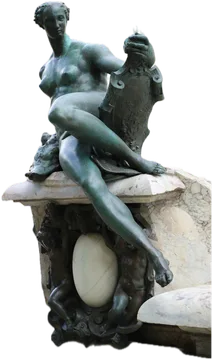
Mother · Sources
yet he is the mightier, since he is king over more. Son of Atreus, check your rage. Indeed, I beg you to let go your anger against Achilles, who is for all the Achaeans a mighty bulwark in evil war. In answer to him spoke lord Agamemnon:
Earnestly he prayed to his dear mother with hands outstretched: Mother, since you bore me, though to so brief a span of life, honour surely ought the Olympian to have given into my hands, Zeus who thunders on high; but now he has honoured me not a bit. Truly the son of Atreus, wide-ruling Agamemnon
and she stroked him with her hand, and spoke to him, and called him by name: My child, why do you weep? What sorrow has come upon your heart? Speak out; hide it not in your mind, that we both may know. Then with heavy moaning spoke swift-footed Achilles to her: You know. Why then should I tell the tale to you who knows all?
Il. 1.280 · Il. 1.352 · Il. 1.364 · Il. 1.393 · Il. 1.414–418 · Il. 1.496 · Il. 1.505 · Il. 6.100 · Il. 9.410 · Il. 10.404 · Il. 13.350 · Il. 15.76–77 · Il. 16.34 · Il. 16.51 · Il. 16.860 · Il. 17.78 · Il. 17.408 · Il. 18.9 · Il. 18.35 · Il. 18.54–55 · Il. 18.70 · Il. 18.94–95 · Il. 18.126 · Il. 18.138 · Il. 18.189 · Il. 18.332 · Il. 18.381 · Il. 18.436 · Il. 18.457–459 · Il. 18.615 · Il. 19.2–6 · Il. 19.21 · Il. 20.128 · Il. 20.207 · Il. 21.109 · Il. 21.276 · Il. 24.73 · Il. 24.85 · Il. 24.112 · Il. 24.122 · Il. 24.466 · Il. 24.562
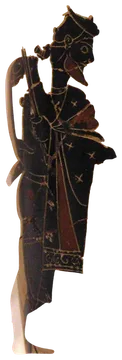
Father · Sources
The wrath sing, goddess, of Peleus' son, Achilles, that destructive wrath which brought countless woes upon the Achaeans, and sent forth to Hades many valiant souls of heroes, and made them themselves spoil for dogs and every bird; thus the plan of Zeus came to fulfillment,
Do not thus, mighty though you are, godlike Achilles, seek to deceive me with your wit; for you will not get by me nor persuade me. Are you willing, so that your yourself may keep your prize, for me to sit here idly in want, while you order me to give her back? No, if the great-hearted Achaeans give me a prize,
the word of Athene. She returned to Olympus to the palace of aegis-bearing Zeus, to join the company of the other gods. But the son of Peleus again addressed with violent words the son of Atreus, and in no way ceased from his wrath: Heavy with wine, with the face of a dog but the heart of a deer,
Il. 1.1 · Il. 1.130 · Il. 1.223 · Il. 1.277 · Il. 1.322 · Il. 1.396 · Il. 2.377 · Il. 2.770 · Il. 8.225 · Il. 8.372 · Il. 8.474 · Il. 9.106 · Il. 9.166 · Il. 9.206 · Il. 9.252 · Il. 9.394–400 · Il. 9.434 · Il. 9.690 · Il. 9.698 · Il. 10.393 · Il. 11.783 · Il. 13.113 · Il. 15.64 · Il. 15.74 · Il. 16.15 · Il. 16.33 · Il. 16.134 · Il. 16.168 · Il. 16.269 · Il. 16.653 · Il. 17.104 · Il. 17.196 · Il. 17.504 · Il. 17.557 · Il. 18.18 · Il. 18.22 · Il. 18.166 · Il. 18.267 · Il. 18.354 · Il. 19.83 · Il. 19.154 · Il. 19.215 · Il. 19.334 · Il. 19.348 · Il. 20.88 · Il. 20.160 · Il. 20.200 · Il. 20.288 · Il. 20.320 · Il. 20.364 · Il. 20.431 · Il. 21.153 · Il. 21.188 · Il. 21.205 · Il. 21.285 · Il. 21.520 · Il. 22.7 · Il. 22.58 · Il. 22.92 · Il. 22.113 · Il. 22.214 · Il. 22.229 · Il. 22.277 · Il. 22.420–421 · Il. 22.455 · Il. 23.277 · Il. 23.353 · Il. 23.776 · Il. 23.792 · Il. 24.59 · Il. 24.151 · Il. 24.180 · Il. 24.406 · Il. 24.458 · Il. 24.486 · Il. 24.507 · Il. 24.540 · Il. 24.572
Sister · Sources
Братство или сестринство выведено из общего родителя: Пелей. Матери и отцы, не указанные в источнике, не предполагаются. Квалификация братства/сестринства: Илиада: Общий родитель подтверждён; роль отца или матери не установлена. Общие родители: Пелей (отец Ахиллеса).
Wikidata: Пелей (отец Ахиллеса) — роль родителя · P22 Wikidata: Фетида — роль родителя · P25The wrath sing, goddess, of Peleus' son, Achilles, that destructive wrath which brought countless woes upon the Achaeans, and sent forth to Hades many valiant souls of heroes, and made them themselves spoil for dogs and every bird; thus the plan of Zeus came to fulfillment,
Do not thus, mighty though you are, godlike Achilles, seek to deceive me with your wit; for you will not get by me nor persuade me. Are you willing, so that your yourself may keep your prize, for me to sit here idly in want, while you order me to give her back? No, if the great-hearted Achaeans give me a prize,
the word of Athene. She returned to Olympus to the palace of aegis-bearing Zeus, to join the company of the other gods. But the son of Peleus again addressed with violent words the son of Atreus, and in no way ceased from his wrath: Heavy with wine, with the face of a dog but the heart of a deer,
Il. 1.1 · Il. 1.130 · Il. 1.223 · Il. 1.277 · Il. 1.322 · Il. 1.396 · Il. 2.377 · Il. 2.770 · Il. 8.225 · Il. 8.372 · Il. 8.474 · Il. 9.106 · Il. 9.166 · Il. 9.206 · Il. 9.252 · Il. 9.394–400 · Il. 9.434 · Il. 9.690 · Il. 9.698 · Il. 10.393 · Il. 11.783 · Il. 13.113 · Il. 15.64 · Il. 15.74 · Il. 16.15 · Il. 16.33 · Il. 16.134 · Il. 16.168 · Il. 16.175 · Il. 16.269 · Il. 16.653 · Il. 17.104 · Il. 17.196 · Il. 17.504 · Il. 17.557 · Il. 18.18 · Il. 18.22 · Il. 18.166 · Il. 18.267 · Il. 18.354 · Il. 19.83 · Il. 19.154 · Il. 19.215 · Il. 19.334 · Il. 19.348 · Il. 20.88 · Il. 20.160 · Il. 20.200 · Il. 20.288 · Il. 20.320 · Il. 20.364 · Il. 20.431 · Il. 21.153 · Il. 21.188 · Il. 21.205 · Il. 21.285 · Il. 21.520 · Il. 22.7 · Il. 22.58 · Il. 22.92 · Il. 22.113 · Il. 22.214 · Il. 22.229 · Il. 22.277 · Il. 22.420–421 · Il. 22.455 · Il. 23.277 · Il. 23.353 · Il. 23.776 · Il. 23.792 · Il. 24.59 · Il. 24.151 · Il. 24.180 · Il. 24.406 · Il. 24.458 · Il. 24.486 · Il. 24.507 · Il. 24.540 · Il. 24.572
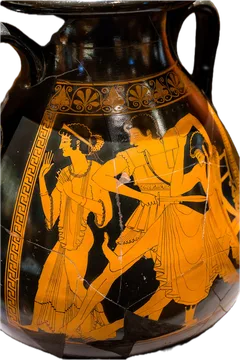
Daughter · Sources
Стихи 9.142–146: Агамемнон говорит, что Ахиллес «зятем мог бы мне стать», и перечисляет дочерей — Хрисофемиду, Ифианассу и Лаодику, — предлагая отдать ту, что милее (9.146).
that be fairest after Argive Helen. And if we return to Achaean Argos, the richest of lands, he shall be my son, and I will honour him even as Orestes that is reared in all abundance, my son well-beloved. Three daughters have I in my well-builded hall,Chrysothemis, and Laodice, and Iphianassa; of these let him lead to the house of Peleus which one he will, without gifts of wooing, and I will furthermore give a dower full rich, such as no man ever yet gave with his daughter. And seven well-peopled cities will I give him,
Il. 9.142–146
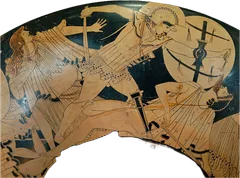
Son · Sources
for the sake of abhorred Helen am warring with the men of Troy; nay, nor though it were he that in Scyrus is reared for me, my son well-beloved —if so be godlike Neoptolemus still liveth. For until now the heart in my breast had hope that I alone should perish far from horse-pasturing Argos,
But go thou in, and clasp the knees of the son of Peleus and entreat him by his father and his fair-haired mother and his child, that thou mayest stir his soul. So spake Hermes, and departed unto high Olympus; and Priam leapt from his chariot to the ground,
Il. 19.326 · Il. 24.467
Opponent · Sources
for I will not sooner bethink me of bloody war until wise-hearted Priam's son, even goodly Hector, be come to the huts and ships of the Myrmidons, as he slays the Argives, and have smirched the ships with fire. But about my hut and my black shipI deem that Hector will be stayed, eager though he be for battle. So spake he, but they took each man a two handled cup, and when they had made libation went their way along the lines of ships, and Odysseus led. But Patroclus bade his comrades and the handmaids spread forthwith a thick couch for Phoenix;
while yet I lived the best man of the Myrmidons should leave the light of the sun beneath the hands of the Trojans! in good sooth the valiant son of Menoetius must now, be dead, foolhardy one. Surely I bade him come back again to the ships when he had thrust off the consuming fire, and not to fight amain with Hector.
Thrice then did swift-footed, goodly Achilles heap upon him with spear of bronze, and thrice he smote the thick mist. But when for the fourth time he rushed upon him like a god, then with a terrible cry he spake to him winged words: Now again, thou dog, art thou escaped from death, though verily
Il. 9.650–655 · Il. 18.14 · Il. 20.449 · Il. 23.24–25 · Il. 24.15–16
Killed by Achilles · Sources
they that Achilles honoured above all his comrades, after the dead Patroclus. These then loosed from beneath the yoke the horses and mules, and led within the herald, the crier of the old king, and set him on a chair; and from the wain of goodly felloes they took the countless ransom for Hector's head.
Il. 24.579
Patron · Sources
Hail, O Achilles, of the equal feast have we no stinting, either in the hut of Agamemnon, son of Atreus, or now in thine; for here is abundance that satisfies the heart to feast withal. Yet matters of the delicious feast are not in our thoughts, nay, Zeus-nurtured one, it is utter ruin that we behold, and are afraid;
Show me now my bed with speed, O thou nurtured of Zeus, that lulled at length by sweet sleep we may rest and take our joy; for never yet have mine eyes closed beneath mine eyelids since at thy hands my son lost his life, but ever do I wail and brood over my countless sorrows,
Il. 9.229 · Il. 24.635
See all 59
Poetic resemblance · Sources
in their terror, when they beheld the swift-footed son of Peleus, flaming in his harness, the peer of Ares, the bane of men. But when the Olympians were come into the midst of the throng of men, then up leapt mighty Strife, the rouser of hosts, and Athene cried a1oud,—now would she stand beside the digged trench without the wall,
Il. 20.46
Connection · Sources
Стихи 24.485–502: Приам, «моля Ахиллеса», рассказывает о погибших сыновьях и говорит: «ради него прихожу к кораблям я ахейским / Выкупить тело его, и несу неисчислимый выкуп».
But Priam made entreaty, and spake to him, saying: Remember thy father, O Achilles like to the gods, whose years are even as mine, on the grievous threshold of old age. Him full likely the dwellers that be round about are entreating evilly, neither is there any to ward from him ruin and bane.Howbeit, while he heareth of thee as yet alive he hath joy at heart, and therewithal hopeth day by day that he shall see his dear son returning from Troy-land. But I—I am utterly unblest, seeing I begat sons the best in the broad land of Troy, yet of them I avow that not one is left.Fifty I had, when the sons of the Achaeans came; nineteen were born to me of the self-same womb, and the others women of the palace bare. Of these, many as they were, furious Ares hath loosed the knees, and he that alone was left me, that by himself guarded the city and the men,him thou slewest but now as he fought for his country, even Hector. For his sake am I now come to the ships of the Achaeans to win him back from thee, and I bear with me ransom past counting. Nay, have thou awe of the gods, Achilles, and take pity on me, remembering thine own father. Lo, I am more piteous far than he,
Il. 24.485–502
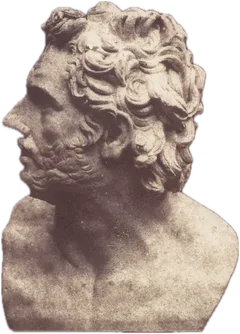
Friend · Sources
and led forth from the hut the fair-cheeked Briseis, and gave her to them to lead away. So the two went back beside the ships of the Achaeans, and with them, all unwilling, went the woman. But Achilles burst into tears, and withdrew apart from his comrades, and sat down on the shore of the grey sea, looking forth over the wine-dark deep.
and made them sit on couches and rugs of purple; and forthwith he spake to Patroclus, that was near: Set forth a larger bowl, thou son of Menoetius; mingle stronger drink, and prepare each man a cup, for these be men most dear, that are beneath my roof. So he spake, and Patroclus gave ear to his dear comrade. He cast down a great fleshing-block in the light of the fire and laid thereon a sheep's back and a fat goat's, and the chine of a great hog withal, rich with fat. And Automedon held them for him, while goodly Achilles carved.
Then the valiant son of Menoetius spake the first: Wherefore dost thou call me, Achilles? What need hast thou of me? And in answer to him spake Achilles, swift of foot: Goodly son of Menoetius, dear to this heart of mine, now methinks will the Achaeans be standing about my knees in prayer,
Il. 1.345 · Il. 9.205 · Il. 11.608 · Il. 11.616 · Il. 15.64 · Il. 17.271 · Il. 17.411 · Il. 17.557 · Il. 17.640–642 · Il. 18.81 · Il. 18.98–102 · Il. 18.152 · Il. 18.235–237 · Il. 18.317 · Il. 19.315 · Il. 23.18 · Il. 23.45 · Il. 23.99 · Il. 23.105 · Il. 24.4 · Il. 24.52 · Il. 24.591
Connection · Sources
At sight of him the old man sprang from his bright chair, and took him by the hand and led him in, and bade him be seated. But Patroclus from over against him refused, and spake, saying: I may not sit, old sir, fostered of Zeus, nor wilt thou persuade me. Revered and to be dreaded is he who sent me forth to learn
Il. 11.649
Taught by Achilles · Sources
with warm water, and sprinkle thereon kindly simples of healing power, whereof men say that thou hast learned from Achilles, whom Cheiron taught, the most righteous of the Centaurs. For the leeches, Podaleirius and Machaon, the one methinks lieth wounded amid the huts,
Il. 11.831–832
Ally · Sources
round about the valiant squire of the swift-footed son of Aeacus. And among them all stood warlike Achilles, urging on both horses and men that bear the shield. Fifty were the swift ships which Achilles, dear to Zeus, led to Troy,
Il. 16.165
Membership · Sources
But why doth my heart thus hold converse with me? There lieth by the ships a dead man unwept, unburied, even Patroclus; him will I not forget so long as I abide among the living, and my knees are quick. Nay, if even in the house of Hades men forget their dead,
Il. 22.389
Connection · Sources
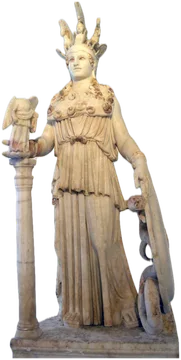
1.194–200: Афина является Ахиллесу и останавливает его; это вмешательство/покровительство, а не союз.
and break up the assembly, and slay the son of Atreus, or stay his anger and curb his spirit. While he pondered this in mind and heart, and was drawing from its sheath his great sword, Athene came from heaven. The white-armed goddess Hera had sent her forth,for in her heart she loved and cared for both men alike. She stood behind him, and seized the son of Peleus by his fair hair, appearing to him alone. No one of the others saw her. Achilles was seized with wonder, and turned around, and immediately recognized Pallas Athene. Terribly her eyes shone.Then he addressed her with winged words, and said: Why now, daughter of aegis-bearing Zeus, have you come? Is it so that you might see the arrogance of Agamemnon, son of Atreus? One thing I will tell you, and I think this will be brought to pass: through his own excessive pride shall he presently lose his life.
Il. 1.194–200
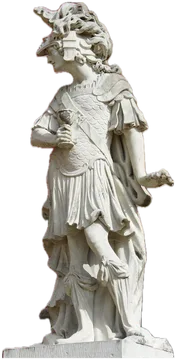
Friend · Sources
Hail, O Achilles, of the equal feast have we no stinting, either in the hut of Agamemnon, son of Atreus, or now in thine; for here is abundance that satisfies the heart to feast withal. Yet matters of the delicious feast are not in our thoughts, nay, Zeus-nurtured one, it is utter ruin that we behold, and are afraid;
Il. 9.225
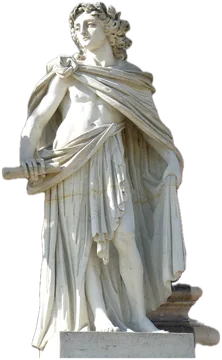
Connection · Sources
And let him submit himself unto me, seeing I am more kingly, and avow me his elder in years. Then made answer the horseman, Nestor of Gerenia: Most glorious son of Atreus, Agamemnon, king of men, the gifts that thou offerest the prince Achilles may no man any more condemn.
Il. 9.160–161
Opponent · Sources
openly, to the end that other Achaeans also may be wroth, if haply he hopeth to deceive yet some other of the Danaans, seeing he is ever clothed in shamelessness. Yet not in my face would he dare to look, though he have the front of a dog. Neither counsel will I devise with him nor any work,
all this thou seemest to speak almost after mine own mind; but my heart swelleth with wrath whenso I think of this, how the son of Atreus hath wrought indignity upon me amid the Argives, as though I were some alien that had no rights. Howbeit do ye go and declare my message,
Il. 9.374 · Il. 9.647–648
Opponent · Sources
slay me not; since I am not sprung from the same womb as Hector, who slew thy comrade the kindly and valiant. So spake to him the glorious son of Priam with words of entreaty, but all ungentle was the voice he heard: Fool, tender not ransom to me, neither make harangue.
Il. 21.97–98

Killed by Achilles · Sources
Стихи 20.413–418: Ахиллес поражает Полидора пикой в спину, «вышла, тело пронзив, у пупка его пика наружу», он падает на колени и рушится наземь.
for in such doth the Shaker of Earth delight; even so bellowed Hippodamas, as his lordly spirit left his bones. But Achilles with his spear went on after godlike Polydorus, son of Priam. Him would his father nowise suffer to fight, for that among his children he was the youngest bornand was dearest in his eyes; and in swiftness of foot he surpassed all. And lo, now in his folly, making show of his fleetness of foot, he was rushing through the foremost fighters, until he lost his life. Him swift-footed goodly Achilles smote full upon the back with a cast of his spear, as he darted past, even where the golden clasps of the beltwere fastened, and the corselet overlapped; through this straight on its way beside the navel passed the spear-point, and he fell to his knees with a groan and a cloud of darkness enfolded him, and as he sank he clasped his bowels to him with his hands. But when Hector beheld his brother Polydorus,
Il. 20.407–418
Killed by Achilles · Sources
Описание прямо называет Гипподаманта убитым Ахиллесом; 20.401–402: Ахиллес (см. 20.399–400) ударяет бегущего Гипподаманта пикой в спину.
was scattered about within; so stayed he him in his fury. Hippodamas thereafter, as he leapt down from his car and fled before him, he smote upon the back with a thrust of his spear. And as he breathed forth his spirit he gave a bellowing cry, even as a bull that is dragged belloweth, when young men drag him about the altar of the lord of Helice;
Il. 20.401–402
Killed by Achilles · Sources
Iliad 20.478–483: Achilles wounds and kills Deucalion in the Trojan battle. Cologne register (S 5549) and Johnston index explicitly distinguish this Trojan from Deucalion son of Minos, Idomeneus' father.
Johnston, Glossary and Index for the Iliad · Deucalion (2); Iliad 20.478–483 Iliaden Register: Personen und Orte · Deucalion entry, PDF p. 8; S 5549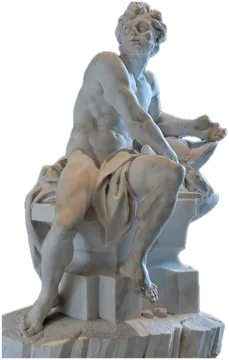
Connection · Sources
There was a gnashing of his teeth, and his two eyes blazed as it had been a flame of fire, and into his heart there entered grief that might not be borne. Thus in fierce wrath against the Trojans he clad him in the gifts of the god, that Hephaestus had wrought for him with toil. The greaves first he set about his legs:
Il. 19.368
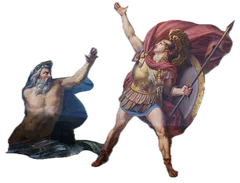
Opponent · Sources
and Mnesus and Thrasius and Aenius and Ophelestes; and yet more of the Paeonians would swift Achilles have slain, had not the deep-eddying River waxed wroth and called to him in the semblance of a man, sending forth a voice from out the deep eddy: O Achilles, beyond men art thou in might, and beyond men doest deeds of evil;
Il. 21.212
Opponent · Sources
Описание прямо называет Агенора противником Ахиллеса; 21.594–598: Ахиллес ударяет в Агенора, а Феб спасает его от гибели.
He spake, and hurled the sharp spear from his heavy hand, and smote him on the shin below the knee, and missed him not; and the greave of new-wrought tin rang terribly upon him; but back from him it smote leapt the bronze, and pierced not through, for the gift of the god stayed it.And the son of Peleus in his turn set upon godlike Agenor; howbeit Apollo suffered him not to win glory, but snatched away Agenor, and shrouded him in thick mist, and sent him forth from the war to go his way in peace.
Il. 21.594–598
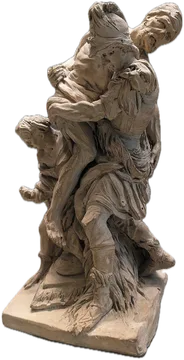
Opponent · Sources
Стихи 20.160–161: «На середине меж ратей сходились, желая сразиться, - / Сын Анхиза Эней и Пелид Ахиллес быстроногий» — прямое изображение поединка-противоборства.
even Aeneas, Anchises' son, and goodly Achilles. Aeneas first strode forth with threatening mien, his heavy hem nodding above him; his valorous shield he held before his breast, and he brandished a spear of bronze. And on the other side the son of Peleus rushed against him him like a lion,
Il. 20.160–161
Killed by Achilles · Sources
20.395–400: Ахиллес поражает Демолеонта в висок, и удар оказывается смертельным.
with their tires in the forefront of the fray, and over him Demoleon, Antenor's son, a valiant warder of battle, did Achilles pierce in the temple through the helmet with cheek-pieces of bronze. Nor did the bronze helm stay the spear, but through it sped the spear-point and brake asunder the bone; and all the brainwas scattered about within; so stayed he him in his fury. Hippodamas thereafter, as he leapt down from his car and fled before him, he smote upon the back with a thrust of his spear. And as he breathed forth his spirit he gave a bellowing cry, even as a bull that is dragged belloweth, when young men drag him about the altar of the lord of Helice;
Il. 20.395–400
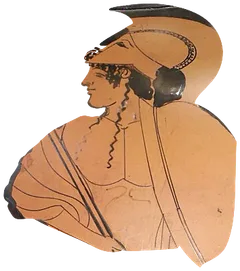
Friend · Sources
So spake he , and swift-footed, goodly Achilles smiled, having joy in Antilochus, for that he was his dear comrade; and he made answer, and spake to him winged words: Antilochus, if thou wilt have men give to Eumelus some other thing from out my house as a further prize, even this will I do.
Il. 23.556
Connection · Sources
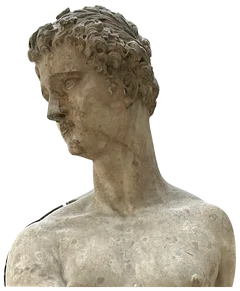
В 23.208–209 Ахиллес просит Зефира с Бореем прилететь и раздуть огонь, а в 23.212–216 ветры прилетают и вздувают пламя; связь прямо названа.
I may not sit, for I must go back unto the streams of Oceanus, unto the land of the Ethiopians, where they are sacrificing hecatombs to the immortals, that I too may share in the sacred feast. But Achilles prayeth the North Wind and the noisy West Wind to come, and promiseth them fair offerings, that so ye may rouse the pyre to burn whereon liethPatroclus, for whom all the Achaeans groan aloud. When she had thus departed, and they arose with a wondrous din, driving the clouds tumultuously before them. And swiftly they came to the sea to blow thereon, and the wave swelledbeneath the shrill blast; and they came to deep-soiled Troyland, and fell upon the pyre, and mightily roared the wordrous blazing fire. So the whole night long as with one blast they beat upon the flame of the pyre, blowing shrill; and the whole night long swift Achilles, taking a two-handled cup in hand,
Il. 23.208–216
Charioteer · Sources
Описание прямо называет Автомедонта возницей Ахиллеса; 19.396–398: Автомедонт вскакивает в колесницу, а за ним Ахиллес.
behind to the jointed car. And Automedon grasped in his hand the bright lash, that fitted it well, and leapt upon the car; and behind him stepped Achilles harnessed for fight, gleaming in his armour like the bright Hyperion. Then terribly he called aloud to the horses of his father:
Il. 19.396–398
Connection · Sources
Стихи 16.148–149 прямо называют Ксанфа одним из «ахиллесовых коней», запряжённых в его колесницу.
And the horses he bade Automedon yoke speedily, even him that he honoured most after Achilles, breaker of the ranks of men, and that in his eyes was faithful above all to abide his call in battle. At his bidding then Automedon led beneath the yoke the fleet horses, Xanthus and Balius, that flew swift as the winds, horsesthat the Harpy Podarge conceived to the West Wind, as she grazed on the meadow beside the stream of Oceanus. And in the side-traces he set the goodly Pedasus that on a time Achilles had brought away, when he took the city of Eetion; and he, being but mortal, kept pace with immortal steeds.
Il. 16.148–151
Connection · Sources
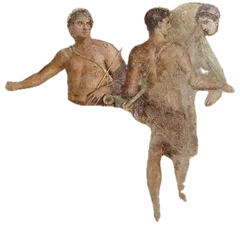
Описание прямо называет Балия конём Ахиллеса; 19.399–401 Ахиллес обращается к своим коням Ксанфу и Балию.
behind to the jointed car. And Automedon grasped in his hand the bright lash, that fitted it well, and leapt upon the car; and behind him stepped Achilles harnessed for fight, gleaming in his armour like the bright Hyperion. Then terribly he called aloud to the horses of his father:Xanthus and Balius, ye far-famed children of Podarge, in some other wise bethink you to bring your charioteer back safe to the host of the Danaans, when we have had our fill of war, and leave ye not him there dead, as ye did Patroclus. Then from beneath the yoke spake to him the horse Xanthus, of the swift-glancing feet;
Il. 19.399–401
Connection · Sources
Do they then alone of mortal men love their wives, these sons of Atreus? Nay, for whoso is a true man and sound of mind, loveth his own and cherisheth her, even as I too loved her with all my heart, though she was but the captive of my spear. But now, seeing he hath taken from my arms my prize, and hath deceived me,
Il. 9.342–343
Connection · Sources
Стихи 23.140–143: Ахиллес «русые волосы срезал, / С детства растимые им для бога речного Сперхея» — прямое отношение Ахиллеса и Сперхея, которому предназначался обет.
Then again swift-footed goodly Achilles took other counsel; he took his stand apart from the fire and shore off a golden lock, the rich growth whereof he had nursed for the river Spercheüs, and his heart mightily moved, he spake, with a look over the wine-dark sea: Spercheüs, to no purpose did my father Peleus vow to thee
Il. 23.140–143
Killed by Achilles · Sources
Описание прямо называет Астеропея погибшим в поединке с Ахиллесом; 21.179–181: Ахиллес мечом исторгает ему душу, ударив в живот.
and the other availed not to draw in his stout hand the ashen spear of Achilles forth from out the bank. Thrice he made it quiver in his eagerness to draw it, and thrice he gave up his effort; but the fourth time his heart was fain to bend and break the ashen spear of the son of Aeacus; howbeit ere that might be Achilles drew nigh and robbed him of life with his sword.In the belly he smote him beside the navel, and forth upon the ground gushed all his bowels, and darkness enfolded his eyes as he lay gasping. And Achilles leapt upon his breast and despoiled him of his arms, and exulted saying: Lie as thou art! Hard is it
Il. 21.179–181
Connection · Sources
Стихи 9.664–665 прямо называют Диомеду «пленённой им лесбиянкой»; пленение Ахиллесом названо.
and they obeyed, and spread the couch, as he bade, fleeces and a rug and soft fabric of linen. There the old man laid him down and waited for bright Dawn. But Achilles slept in the innermost part of the well-builded hut, and by his side lay a woman that he had brought from Lesbos,even the daughter of Phorbas, fair-cheeked Diomede. And Patroclus laid him down on the opposite side, and by him in like manner lay fair-girdled Iphis, whom goodly Achilles had given him when he took steep Scyrus, the city of Enyeus. But when the others were now come to the huts of the son of Atreus,
Il. 9.664–665
Servant · Sources
В стихах 16.570–576 Епигей назван «не из худших среди мирмидонцев», которого Пелей и Фетида послали в Трою с Ахиллесом; описание прямо называет его мирмидонцем, пришедшим с Ахиллом.
for smitten was a man in no wise the worst among the Myrmidons, even the son of great-souled Agacles, goodly Epeigeus, that was king in well-peopled Budeum of old, but when he had slain a goodly man of his kin, to Peleus he came as a suppliant, and to silver-footed Thetis;and they sent him to follow with Achilles, breaker of the ranks of men, to Ilios, famed for its horses, that he might fight with the Trojans. Him, as he was laying hold of the corpse, glorious Hector smote upon the head with a stone; and his head was wholly cloven asunder within the heavy helmet,
Il. 16.570–576
Killed by Achilles · Sources
В 2.688–693 Ахиллес разрушает Лирнесс и там «повергает» Минета, сына Евена; убийство прямо названо.
of the fifty ships of these men was Achilles captain. Howbeit they bethought them not of dolorous war, since there was no man to lead them forth into the ranks. For he lay in idleness among the ships, the swift-footed, goodly Achilles, in wrath because of the fair-haired girl Briseïs,whom he had taken out of Lyrnessus after sore toil, when he wasted Lyrnessus and the walls of Thebe, and laid low Mynes and Epistrophus, warriors that raged with the spear, sons of king Evenus, Selepus' son. In sore grief for her lay Achilles idle; but soon was he to arise again.
Il. 2.688–693
Foster-father · Sources
And I reared thee to be such as thou art, O godlike Achilles, loving thee from may heart; for with none other wouldest thou go to the feast neither take meat in the hall, till I had set thee on my knees and given thee thy fill of the savoury morsel cut first for thee, and had put the wine cup to thy lips.
Full often hast thou wetted the tunic upon my breast, sputtering forth the wine in thy sorry helplessness. So have I suffered much for thee and toiled much, ever mindful of this that the gods would in no wise vouchsafe me a son born of mine own body. Nay. it was thou that I sought to make my son, O godlike Achilles,to the end that thou mayest hereafter save me from shameful ruin. Wherefore Achilles, do thou master thy proud spirit; it beseemeth thee not to have a pitiless heart. Nay, even the very gods can bend, and theirs withal is more excellent worth and honour and might. Their hearts by incense and reverent vows
Il. 9.485–489 · Il. 9.490–495
Poetic kinship · Sources
Full often hast thou wetted the tunic upon my breast, sputtering forth the wine in thy sorry helplessness. So have I suffered much for thee and toiled much, ever mindful of this that the gods would in no wise vouchsafe me a son born of mine own body. Nay. it was thou that I sought to make my son, O godlike Achilles,to the end that thou mayest hereafter save me from shameful ruin. Wherefore Achilles, do thou master thy proud spirit; it beseemeth thee not to have a pitiless heart. Nay, even the very gods can bend, and theirs withal is more excellent worth and honour and might. Their hearts by incense and reverent vows
Il. 9.493–495
Friend · Sources
abideth in my breast and my knees are quick. And another thing will I tell thee, and do thou lay it to heart; seek not to confound my spirit by weeping and sorrowing, to do the pleasure of the warrior, son of Atreus; it beseemeth thee not to cherish him, lest thou be hated of me that cherish thee.Well were it that with me thou shouldest vex him whosoever vexeth me. Be thou king even as I am, and share the half of my honour. Howbeit these shall bear my message, but abide thou here and lay thee down on a soft couch, and at break of day we will take counsel whether to return to our own or to tarry here.
Il. 9.614–616
Killed by Achilles · Sources
В 20.461–462 Ахиллес сбивает Дардана с колесницы и поражает мечом; убийство прямо названо.
Then setting upon Laogonus and Dardanus, sons twain of Bias, he thrust them both from their chariot to the ground, smiting the one with a cast of his spear and the other with his sword in close fight. Then Tros, Alastor's son—he came to clasp his knees, if so be he would spare him, by taking him captive, and let him go alive,
Il. 20.460–462
Killed by Achilles · Sources
Стихи 20.484–487: Ахиллес идёт на Ригма, бросает ему пику в живот, и Ригм падает с колесницы.
with spear-point of bronze; and he abode his oncoming with arm weighed down, beholding death before him; but Achilles, smiting him with the sword upon his neck, hurled afar his head and therewithal his helmet; and the marrow spurted forth from the spine, and the corpse lay stretched upon the ground. Then went he on after the peerless son of Peires,even Rhigmus, that had come from deep-soiled Thrace. Him he smote in the middle with a cast of his spear, and the bronze was fixed in his belly; and he fell forth from out his car. And Areithous, his squire, as he was turning round the horses, did Achilles pierce in the back with his sharp spear, and thrust him from the car; and the horses ran wild.
Il. 20.484–487
Teacher · Sources
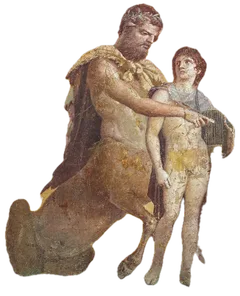
with warm water, and sprinkle thereon kindly simples of healing power, whereof men say that thou hast learned from Achilles, whom Cheiron taught, the most righteous of the Centaurs. For the leeches, Podaleirius and Machaon, the one methinks lieth wounded amid the huts,
Il. 11.832
Connection · Sources
even the Pelian spear of ash that Cheiron had given to his dear father from the peak of Pelion, to be for the slaying of warriors. And Automedon and Alcinous set them busily to yoke the horses, and about them they set the fair breast-straps, and cast bits within their jaws, and drew the reins
Il. 19.391
Killed by Achilles · Sources
and the dark blood welling forth therefrom filled his bosom; and darkness enfolded his eyes, as he swooned. Then with his spear Achilles drew nigh unto Mulius and smote him upon the ear, and clean through the other ear passed the spear-point of bronze. Then smote he Agenor's son Echeclusfull upon the head with his hilted sword, and all the blade grew warm with his blood, and down over his eyes came dark death and mighty fate. Thereafter Deucalion, at the point where the sinews of the elbow join, even there pierced he him through the arm
Il. 20.474–477
Connection · Sources
Стихи 9.667–668 прямо говорят, что Ахиллес отдал Ифиду после взятия Скироса; пленение Ахиллесом названо.
even the daughter of Phorbas, fair-cheeked Diomede. And Patroclus laid him down on the opposite side, and by him in like manner lay fair-girdled Iphis, whom goodly Achilles had given him when he took steep Scyrus, the city of Enyeus. But when the others were now come to the huts of the son of Atreus,
Il. 9.667–668
Killed by Achilles · Sources
В 20.382 прямо сказано: «первым убил он тут Ифитиона»; убийство Ахиллесом названо.
seized with fear, when he heard the voice of the god as he spoke. But Achilles leapt among the Trojans, his heart clothed about in might, crying a terrible cry, and first he slew Iphition, the valiant son of Otrynteus, the leader of a great host, whom a Naiad nymph bare to Otrynteus, sacker of cities,
Il. 20.381–383
Connection · Sources
him he smote on the lower belly, and loosed his limbs. But Sarpedon missed him with his bright spear, as in turn he got upon him, but smote with his spear the horse Pedasus on the right shoulder; and the horse shrieked aloud as he gasped forth his life, and down he fell in the dust with a moan, and his spirit flew from him.
Il. 16.467
Servant · Sources
В 16.171–172 Ахиллес ставит пять начальников над мирмидонцами, сохраняя высшую власть; 16.193–195 называют Писандра вождём третьего отряда мирмидонцев. Служебная подчинённость Ахиллесу, тип serves.
lead to his home, when he had given countless gifts of wooing, and Eudorus did old Phylas nurse and cherish tenderly, loving him dearly, as he had been his own son. And of the third company warlike Peisander was captain, son of Maemalus, a man pre-eminent among all the Myrmidonsin fighting with the spear, after the comrade of the son of Peleus. And the fourth company did the old knight Phoenix lead, and the fifth Alcimedon, the peerless son of Laerces. But when at length Achilles had set them all in array with their leaders, duly parting company from company, he laid upon them a stern command:
Il. 16.193–195
Opponent · Sources
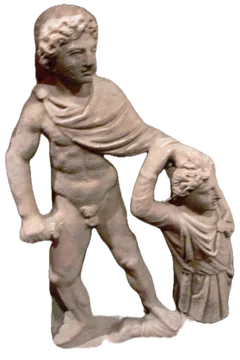
Hateful was he to Achilles above all, and to Odysseus, for it was they twain that he was wont to revile; but now again with shrill cries he uttered abuse against goodly Agamemnon. With him were the Achaeans exceeding wroth, and had indignation in their hearts. Howbeit with loud shoutings he spake and chid Agamemnon:
Il. 2.220
Killed by Achilles · Sources
Описание прямо называет Ареифоя убитым Ахиллесом; 20.486–489: Ахиллес (см. 20.484) ударяет Ареифоя пикой в спину и сшибает с колесницы.
even Rhigmus, that had come from deep-soiled Thrace. Him he smote in the middle with a cast of his spear, and the bronze was fixed in his belly; and he fell forth from out his car. And Areithous, his squire, as he was turning round the horses, did Achilles pierce in the back with his sharp spear, and thrust him from the car; and the horses ran wild.
Il. 20.486–489
Killed by Achilles · Sources
В 20.458–459 Ахиллес пронзает Демуху колено и мечом «лишает его жизни»; убийство прямо названо.
So saying he smote Dryops full upon the neck with a thrust of his spear, and he fell down before his feet. But he left him there, and stayed from fight Demuchus, Philetor's son, a valiant man and tall, striking him upon the knee with a cast of his spear; and thereafter he smote him with his great sword, and took away his life.
Il. 20.457–459
Killed by Achilles · Sources
Стихи 20.469–472: Ахиллес вонзает Тросу меч в печень, «дух отлетел».
and slay him not, having pity on one of like age, fool that he was! nor knew, he this, that with him was to be no hearkening; for nowise soft of heart or gentle of mind was the man, but exceeding fierce— he sought to clasp Achilles' knees with his hands, fain to make his prayer; but he smote him upon the liver with his sword, and forth the liver slipped,and the dark blood welling forth therefrom filled his bosom; and darkness enfolded his eyes, as he swooned. Then with his spear Achilles drew nigh unto Mulius and smote him upon the ear, and clean through the other ear passed the spear-point of bronze. Then smote he Agenor's son Echeclus
Il. 20.469–472
Killed by Achilles · Sources
Стихи 2.859–861: «Пал от могучей руки быстроногого он Эакида / В бурной реке» — Энном убит Ахиллесом (Эакидом).
and Cromna and Aegialus and lofty Erythini. But of the Halizones Odius and Epistrophus were captains from afar, from Alybe, where is the birth-place of silver. And of the Mysians the captains were Chromis and Ennomus the augur; howbeit with his auguries he warded not off black fate,but was slain beneath the hands of the son of Aeacus, swift of foot, in the river, where Achilles was making havoc of the Trojans and the others as well. And Phorcys and godlike Ascanius led the Phrygians from afar, from Ascania, and were eager to fight in the press of battle. And the Maeonians had captains twain, Mesthles and Antiphus,
Il. 2.858–861
Killed by Achilles · Sources
Стих 21.210: «Мнеса и Фрасия, также и Эния, и Офелеста» — Эний назван среди убитых Ахиллесом.
but Achilles went his way after the Paeonians, lords of chariots, who were still huddled in rout along the eddying river, when they saw their best man mightily vanquished in the fierce conflict beneath the hands and sword of the son of Peleus. There slew he Thersilochus and Mydon and Astypylusand Mnesus and Thrasius and Aenius and Ophelestes; and yet more of the Paeonians would swift Achilles have slain, had not the deep-eddying River waxed wroth and called to him in the semblance of a man, sending forth a voice from out the deep eddy: O Achilles, beyond men art thou in might, and beyond men doest deeds of evil;
Il. 21.209–210
Friend · Sources
Описание прямо называет Алкима спутником Ахиллеса; 24.573–575: после Патрокла Ахиллес чтил Алкима наибольше из товарищей.
my suppliant though thou art, and so sin against the behest of Zeus. So spake he, and the old man was seized with fear, and hearkened to his word. But like a lion the son of Peleus sprang forth from the houses—not alone, for with him went two squires as well, even the warrior Automedon and Alcimus,they that Achilles honoured above all his comrades, after the dead Patroclus. These then loosed from beneath the yoke the horses and mules, and led within the herald, the crier of the old king, and set him on a chair; and from the wain of goodly felloes they took the countless ransom for Hector's head.
Il. 24.573–575
Killed by Achilles · Sources
Описание прямо называет Астипила убитым Ахиллесом; 21.208–210 перечисляют Астипила среди убитых Ахиллесом.
but Achilles went his way after the Paeonians, lords of chariots, who were still huddled in rout along the eddying river, when they saw their best man mightily vanquished in the fierce conflict beneath the hands and sword of the son of Peleus. There slew he Thersilochus and Mydon and Astypylusand Mnesus and Thrasius and Aenius and Ophelestes; and yet more of the Paeonians would swift Achilles have slain, had not the deep-eddying River waxed wroth and called to him in the semblance of a man, sending forth a voice from out the deep eddy: O Achilles, beyond men art thou in might, and beyond men doest deeds of evil;
Il. 21.208–210
Killed by Achilles · Sources
Описание прямо отождествляет Дриопса с Дрионом русского перевода; в 20.455–456 Ахиллес поражает его копьём в затылок.
So saying he smote Dryops full upon the neck with a thrust of his spear, and he fell down before his feet. But he left him there, and stayed from fight Demuchus, Philetor's son, a valiant man and tall, striking him upon the knee with a cast of his spear; and thereafter he smote him with his great sword, and took away his life.
Il. 20.455–456
Connection · Sources
В стихах 9.667–668 Ахиллес «город взявши царя Ениея, возвышенный Скирос»; описание прямо говорит, что Ахилл разорил город Ениея.
even the daughter of Phorbas, fair-cheeked Diomede. And Patroclus laid him down on the opposite side, and by him in like manner lay fair-girdled Iphis, whom goodly Achilles had given him when he took steep Scyrus, the city of Enyeus. But when the others were now come to the huts of the son of Atreus,
Il. 9.667–668
Killed by Achilles · Sources
Стихи 21.209–210 прямо называют Мнеса среди убитых Ахиллесом.
but Achilles went his way after the Paeonians, lords of chariots, who were still huddled in rout along the eddying river, when they saw their best man mightily vanquished in the fierce conflict beneath the hands and sword of the son of Peleus. There slew he Thersilochus and Mydon and Astypylusand Mnesus and Thrasius and Aenius and Ophelestes; and yet more of the Paeonians would swift Achilles have slain, had not the deep-eddying River waxed wroth and called to him in the semblance of a man, sending forth a voice from out the deep eddy: O Achilles, beyond men art thou in might, and beyond men doest deeds of evil;
Il. 21.209–210
Killed by Achilles · Sources
Связь названа в самой карточке персонажа и подтверждена внешним источником; в извлечении из русского текста отдельной связи не было. Свидетельство источника: «Achilles kills a different Mulius with a spear through both ears during the Trojan battle.»
Iliad 20.470-477 · Iliad 20.470-477and the dark blood welling forth therefrom filled his bosom; and darkness enfolded his eyes, as he swooned. Then with his spear Achilles drew nigh unto Mulius and smote him upon the ear, and clean through the other ear passed the spear-point of bronze. Then smote he Agenor's son Echeclusfull upon the head with his hilted sword, and all the blade grew warm with his blood, and down over his eyes came dark death and mighty fate. Thereafter Deucalion, at the point where the sinews of the elbow join, even there pierced he him through the arm
Il. 20.470–477
Killed by Achilles · Sources
Стихи 21.209–210 прямо называют Мидона среди убитых Ахиллесом.
but Achilles went his way after the Paeonians, lords of chariots, who were still huddled in rout along the eddying river, when they saw their best man mightily vanquished in the fierce conflict beneath the hands and sword of the son of Peleus. There slew he Thersilochus and Mydon and Astypylusand Mnesus and Thrasius and Aenius and Ophelestes; and yet more of the Paeonians would swift Achilles have slain, had not the deep-eddying River waxed wroth and called to him in the semblance of a man, sending forth a voice from out the deep eddy: O Achilles, beyond men art thou in might, and beyond men doest deeds of evil;
Il. 21.209–210
Herald · Sources
Стихи 9.166–170 прямо называют посольство к Ахиллесу Пелиду и Одия в числе вестников, сопровождающих послов.
Come, therefore, let us send forth chosen men to go forthwith to the hut of Peleus' son, Achilles. Nay, rather, whomsoever I shall choose, let them consent. First of all let Phoenix, dear to Zeus, lead the way, and after him great Aias and goodly Odysseus;and of the heralds let Odius and Eurybates attend them. And now bring ye water for our hands, and bid keep holy silence, that we may make prayer unto Zeus, son of Cronos, if so be he will have compassion upon us. So said he and the words that he spake were pleasing unto all. Then heralds poured water over their hands,
Il. 9.166–170
Killed by Achilles · Sources
Стихи 21.209–210 прямо называют Офелеста среди убитых Ахиллесом пеонов.
but Achilles went his way after the Paeonians, lords of chariots, who were still huddled in rout along the eddying river, when they saw their best man mightily vanquished in the fierce conflict beneath the hands and sword of the son of Peleus. There slew he Thersilochus and Mydon and Astypylusand Mnesus and Thrasius and Aenius and Ophelestes; and yet more of the Paeonians would swift Achilles have slain, had not the deep-eddying River waxed wroth and called to him in the semblance of a man, sending forth a voice from out the deep eddy: O Achilles, beyond men art thou in might, and beyond men doest deeds of evil;
Il. 21.209–210
Killed by Achilles · Sources
Стих 21.209: «Так Ахиллес Ферсилоха убил Астипила, Мидона» — Ферсилох назван первым среди убитых Ахиллесом.
but Achilles went his way after the Paeonians, lords of chariots, who were still huddled in rout along the eddying river, when they saw their best man mightily vanquished in the fierce conflict beneath the hands and sword of the son of Peleus. There slew he Thersilochus and Mydon and Astypylusand Mnesus and Thrasius and Aenius and Ophelestes; and yet more of the Paeonians would swift Achilles have slain, had not the deep-eddying River waxed wroth and called to him in the semblance of a man, sending forth a voice from out the deep eddy: O Achilles, beyond men art thou in might, and beyond men doest deeds of evil;
Il. 21.209–210
Killed by Achilles · Sources
Стих 21.210: «Мнеса и Фрасия, также и Эния, и Офелеста» — Фрасий назван среди убитых Ахиллесом.
but Achilles went his way after the Paeonians, lords of chariots, who were still huddled in rout along the eddying river, when they saw their best man mightily vanquished in the fierce conflict beneath the hands and sword of the son of Peleus. There slew he Thersilochus and Mydon and Astypylusand Mnesus and Thrasius and Aenius and Ophelestes; and yet more of the Paeonians would swift Achilles have slain, had not the deep-eddying River waxed wroth and called to him in the semblance of a man, sending forth a voice from out the deep eddy: O Achilles, beyond men art thou in might, and beyond men doest deeds of evil;
Il. 21.209–210
In art

Charles-Antoine Coypel. Fury of Achilles. собрание не указано. Public domain. https://commons.wikimedia.org/wiki/File%3ACoypel%2C_Charles-Antoine_-_Fury_of_Achilles_-_1737.jpg
Photograph / reproduction: Charles-Antoine Coypel
Photograph / reproduction date: 1737
Charles-Antoine Coypel. Fury of Achilles. собрание не указано. Public domain. https://commons.wikimedia.org/wiki/File%3ACoypel%2C_Charles-Antoine_-_Fury_of_Achilles_-_1737.jpg
Photograph / reproduction: Charles-Antoine Coypel
Photograph / reproduction date: 1737

Rafael Tejeo. Tejeo-Achilles. собрание не указано. Public domain. https://commons.wikimedia.org/wiki/File%3ATejeo-Achilles.jpg
Photograph / reproduction: Rafael Tejeo
Photograph / reproduction date: before 1830
Rafael Tejeo. Tejeo-Achilles. собрание не указано. Public domain. https://commons.wikimedia.org/wiki/File%3ATejeo-Achilles.jpg
Photograph / reproduction: Rafael Tejeo
Photograph / reproduction date: before 1830

Michel Martin Drolling. Wrath of Achilles2. собрание не указано. Public domain. https://commons.wikimedia.org/wiki/File%3AWrath_of_Achilles2.jpg
Photograph / reproduction: Michel Martin Drolling
Photograph / reproduction date: 1810
Michel Martin Drolling. Wrath of Achilles2. собрание не указано. Public domain. https://commons.wikimedia.org/wiki/File%3AWrath_of_Achilles2.jpg
Photograph / reproduction: Michel Martin Drolling
Photograph / reproduction date: 1810

Benjamin West. Thetis Bringing the Armor to Achilles. New York Historical. Public domain. https://www.wikidata.org/wiki/Q108690741
Benjamin West. Thetis Bringing the Armor to Achilles. New York Historical. Public domain. https://www.wikidata.org/wiki/Q108690741

Peter Paul Rubens. Death of Achilles. Courtauld Gallery. Public domain. https://www.wikidata.org/wiki/Q111287761
Peter Paul Rubens. Death of Achilles. Courtauld Gallery. Public domain. https://www.wikidata.org/wiki/Q111287761
Peter Paul Rubens. Wrath of Achilles. Courtauld Gallery. Public domain. https://www.wikidata.org/wiki/Q111287787

François-Léon Benouville. The Wrath of Achilles. Musée Fabre. Public domain. https://www.wikidata.org/wiki/Q115669948
Photograph / reproduction: François-Léon Benouville
Photograph / reproduction date: 1847
François-Léon Benouville. The Wrath of Achilles. Musée Fabre. Public domain. https://www.wikidata.org/wiki/Q115669948
Photograph / reproduction: François-Léon Benouville
Photograph / reproduction date: 1847
François-Léon Benouville. The Wrath of Achilles. собрание не указано. Public domain. https://commons.wikimedia.org/wiki/File%3AAchilles.jpg
Photograph / reproduction: François-Léon Benouville
Photograph / reproduction date: 1847
François-Léon Benouville. French: La Colère d'Achille The Anger of Achilles label QS:Lfr,"La colère d'Achille" label QS:Len,"The Anger of Achilles". собрание не указано. Public domain. https://commons.wikimedia.org/wiki/File%3APeinturesMus%C3%A9eFabre121_B%C3%A9nouville_Achille.jpg
Photograph / reproduction: François-Léon Benouville
Photograph / reproduction date: 1847


Jérôme-Martin Langlois. Priam at the feet of Achilles. Beaux-Arts de Paris. Public domain. https://www.wikidata.org/wiki/Q116730347
Photograph / reproduction: VladoubidoOo
Photograph / reproduction date: 2013-12-22
Jérôme-Martin Langlois. Priam at the feet of Achilles. Beaux-Arts de Paris. Public domain. https://www.wikidata.org/wiki/Q116730347
Photograph / reproduction: VladoubidoOo
Photograph / reproduction date: 2013-12-22
See all 327
Sources and verification
The character is matched to the catalogue.
- Wikipedia · Achilles · CC BY-SA 4.0
Excerpt; remaining sentences omitted.
Reference material remains distinct from the poem’s assertions. Characters who share a name retain separate pages.