Zeus
God
Zeus (, Ancient Greek: Ζεύς) is the supreme deity of the Greek pantheon. He is a sky and thunder god in ancient Greek religion and mythology, who rules as king of the gods on Mount Olympus.
Explore on the graph- Mentions
- 359
- Connected characters
- 56
- Books
- 24


Mentions in the Iliad
A. T. Murray, Loeb Classical Library, Harvard University Press, 1924 · Homer, Iliad with an English Translation · CC BY-SA 3.0 US
“from the time when first they parted in strife Atreus' son, king of men, and brilliant Achilles. Who then of the gods was it that brought these two together to contend? The son of Leto and Zeus; for he in anger against the king roused throughout the host an evil pestilence, and the people began to perish,”
“if war and pestilence alike are to ravage the Achaeans. But come, let us ask some seer or priest, or some reader of dreams—for a dream too is from Zeus—who might say why Phoebus Apollo is so angry, whether he finds fault with a vow or a hecatomb;”
“and who had guided the ships of the Achaeans to Ilios by his own prophetic powers which Phoebus Apollo had bestowed upon him. He with good intent addressed the gathering, and spoke among them: Achilles, dear to Zeus, you bid me declare the wrath of Apollo, the lord who strikes from afar.”
“and it is not seemly to gather these things back from the army. But give back the girl to the god, and we Achaeans will recompense you three and fourfold, if ever Zeus grants us to sack the well-walled city of Troy. In answer to him spoke lord Agamemnon:”
“Most hateful to me are you of all the kings that Zeus nurtures, for always strife is dear to you, and wars and battles. If you are very strong, it was a god, I think, who gave you this gift. Go home with your ships and your companions and lord it over the Myrmidons; for you I care not,”
“Then he addressed her with winged words, and said: Why now, daughter of aegis-bearing Zeus, have you come? Is it so that you might see the arrogance of Agamemnon, son of Atreus? One thing I will tell you, and I think this will be brought to pass: through his own excessive pride shall he presently lose his life.”
“the word of Athene. She returned to Olympus to the palace of aegis-bearing Zeus, to join the company of the other gods. But the son of Peleus again addressed with violent words the son of Atreus, and in no way ceased from his wrath: Heavy with wine, with the face of a dog but the heart of a deer,”
See all 357
“but let her be, as the sons of the Achaeans first gave her to him as a prize; nor do you, son of Peleus, be minded to strive with a king, might against might, for it is no common honour that is the portion of a sceptre-holding king, to whom Zeus gives glory. If you are a stronger fighter, and a goddess mother bore you,”
“The two, seized with dread and in awe of the king, stood, and spoke no word to him, nor made question; but he knew in his heart, and spoke: Hail, heralds, messengers of Zeus and men, draw near. It is not you who are guilty in my sight, but Agamemnon,”
“Earnestly he prayed to his dear mother with hands outstretched: Mother, since you bore me, though to so brief a span of life, honour surely ought the Olympian to have given into my hands, Zeus who thunders on high; but now he has honoured me not a bit. Truly the son of Atreus, wide-ruling Agamemnon”
“while the other woman the heralds have just now taken from my tent and led away, the daughter of Briseus, whom the sons of the Achaeans gave me. But, you, if you are able, guard your own son; go to Olympus and make prayer to Zeus, if ever you have gladdened his heart by word or deed.”
“since your span of life is brief and endures no long time; but now you are doomed to a speedy death and are laden with sorrow above all men; therefore to an evil fate I bore you in our halls. Yet in order to tell this your word to Zeus who delights in the thunderbolt I will myself go to snowy Olympus, in hope that he may be persuaded.”
“of her son, but rose up from the wave of the sea, and at early morning went up to great heaven and Olympus. There she found the far-seeing son of Cronos sitting apart from the rest upon the topmost peak of many-ridged Olympus. So she sat down before him, and clasped his knees”
“yet now Agamemnon, king of men, has dishonoured him, for he has taken and keeps his prize by his own arrogant act. But honour him, Olympian Zeus, lord of counsel; and give might to the Trojans, until the Achaeans do honour to my son, and magnify him with recompense.”
“no word of mine may be recalled, nor is false, nor unfulfilled, to which I bow my head. The son of Cronos spoke, and bowed his dark brow in assent, and the ambrosial locks waved from the king's immortal head; and he made great Olympus quake.”
“In answer to him spoke the ox-eyed lady Hera: Most dread son of Cronos, what a word you have said! Truly, in the past I have not been accustomed to inquire nor ask you, but at your ease you devise all things whatever you wish. But now I have wondrous dread at heart, lest”
“since worse things prevail. And I give counsel to my mother, wise though she be herself, to do pleasure to our dear father Zeus, that the father upbraid her not again, and bring confusion upon our feast. What if the Olympian, the lord of the lightning, were minded”
“Be patient, my mother, and endure for all your grief, lest, dear as you are to me, my eyes see you stricken, and then I shall in no way be able to succour you for all my sorrow; for a hard foe is the Olympian to meet in strife. On a time before this, when I was striving to save you,”
“Now all the other gods and men, lords of chariots, slumbered the whole night through, but Zeus was not holden of sweet sleep, for he was pondering in his heart how he might do honour to Achilles and lay many low beside the ships of the Achaeans. And this plan seemed to his mind the best,”
“to whom a host is entrusted, and upon whom rest so many cares. But now, hearken thou quickly unto me, for I am a messenger to thee from Zeus, who, far away though he be, hath exceeding care for thee and pity. He biddeth thee arm the long-haired Achaeans with all speed, since now thou mayest take the broad-wayed city of the Trojans.”
“and about his shoulders flung his silver-studded sword; and he grasped the sceptre of his fathers, imperishable ever, and therewith took his way along the ships of the brazen-coated Achaeans. Now the goddess Dawn went up to high Olympus, to announce the light to Zeus and the other immortals,”
“He biddeth thee arm the long-haired Achaeans with all speed, since now thou mayest take the broad-wayed city of the Trojans. For the immortals that have homes upon Olympus are no longer divided in counsel, since Hera hath bent the minds of all by her supplication, and over the Trojans hang woes by the will of Zeus.”
“even so from the ships and huts before the low sea-beach marched forth in companies their many tribes to the place of gathering. And in their midst blazed forth Rumour, messenger of Zeus, urging them to go; and they were gathered.”
“ceasing from their clamour. Then among them lord Agamemnon uprose, bearing in his hands the sceptre which Hephaestus had wrought with toil. Hephaestus gave it to king Zeus, son of Cronos, and Zeus gave it to the messenger Argeïphontes; and Hermes, the lord, gave it to Pelops, driver of horses,”
“But allies there be out of many cities, men that wield the spear, who hinder me mightily, and for all that I am fain, suffer me not to sack the well-peopled citadel of Ilios. Already have nine years of great Zeus gone by,”
“which the East Wind or the South Wind has raised, rushing upon them from the clouds of father Zeus. And even as when the West Wind at its coming stirreth a deep cornfield with its violent blast, and the ears bow thereunder, even so was all their gathering stirred, and they with loud shouting rushed towards the ships;”
“neither suffer them to draw into the sea their curved ships. So spake she, and the goddess, flashing-eyed Athene, failed not to hearken. Down from the peaks of Olympus she went darting, and speedily came to the swift ships of the Achaeans. There she found Odysseus, the peer of Zeus in counsel,”
“Beware lest waxing wroth he work mischief to the sons of the Achaeans. Proud is the heart of kings, fostered of heaven; for their honour is from Zeus, and Zeus, god of counsel, loveth them. But whatsoever man of the people he saw, and found brawling, him would he smite with his staff; and chide with words, saying,”
“and we round about a spring were offering to the immortals upon the holy altars hecatombs that bring fulfillment, beneath a fair plane-tree from whence flowed the bright water; then appeared a great portent: a serpent, blood-red on the back, terrible, whom the Olympian himself had sent forth to the light,”
“and we stood there and marveled at what was wrought. So, when the dread portent brake in upon the hecatombs of the gods, then straightway did Calchas prophesy, and address our gathering, saying: 'Why are ye thus silent, ye long-haired Achaeans? To us hath Zeus the counsellor shewed this great sign,”
“and be leader of the Argives throughout stubborn fights; and for these, let them perish, the one or two of the Achaeans, that take secret counsel apart—yet no accomplishment shall come therefrom—to depart first to Argos or ever we have learned whether the promise of Zeus that beareth the aegis be a lie or no.”
“Aye verily once more, old sir, art thou pre-eminent in speech above the sons of the Achaeans. I would, O father Zeus and Athene and Apollo, that I had ten such counsellors; then would the city of king Priam forthwith bow her head, taken and laid waste beneath our hands.”
“And they made sacrifice one to one of the gods that are for ever, and one to another, with the prayer that they might escape from death and the toil of war. But Agamemnon, king of men, slew a fat bull of five years to the son of Cronos, supreme in might, and let call the elders, the chieftains of the Achaean host,”
“and have burned with consuming fire the portals thereof, and cloven about the breast of Hector his tunic, rent with the bronze; and in throngs may his comrades round about him fall headlong in the dust, and bite the earth. So spake he; but not as yet would the son of Cronos grant him fulfillment;”
“when they mingle in the pasture, so did their leaders marshal them on this side and on that to enter into the battle, and among them lord Agamemnon, his eyes and head like unto Zeus that hurleth the thunderbolt, his waist like unto Ares, and his breast unto Poseidon.”
“And with him there followed forty black ships. And they that held Athens, the well-built citadel, the land of great-hearted Erechtheus, whom of old Athene, daughter of Zeus, fostered, when the earth, the giver of grain, had borne him; and she made him to dwell in Athens, in her own rich sanctuary,”
“where the Muses met Thamyris the Thracian and made an end of his singing, even as he was journeying from Oechalia, from the house of Eurytus the Oechalian: for he vaunted with boasting that he would conquer, were the Muses themselves to sing against him, the daughters of Zeus that beareth the aegis; but they in their wrath maimed him,”
“and held the mainland and dwelt on the shores over against the isles. Of these was Odysseus captain, the peer of Zeus in counsel. And with him there followed twelve ships with vermilion prows. And the Aetolians were led by Thoas, Andraemon's son, even they that dwelt in Pleuron and Olenus and Pylene and Chalcis, hard by the sea, and rocky Calydon. For the sons of great-hearted Oeneus were no more, neither did he himself still live, and fair-haired Meleager was dead, to whom had commands been given that he should bear full sway among the Aetolians. And with Thoas there followed forty black ships.”
“when he had laid waste many cities of warriors fostered of Zeus. But when Tlepolemus had grown to manhood in the well-fenced palace, forthwith he slew his own father's dear uncle, Licymnius, scion of Ares, who was then waxing old. So he straightway built him ships, and when he had gathered together much people,”
“these again had as leader Polypoetes, staunch in fight, son of Peirithous, whom immortal Zeus begat— even him whom glorious Hippodameia conceived to Peirithous on the day when he got him vengeance on the shaggy centaurs, and thrust them forth from Pelium, and drave them to the Aethices.”
“So marched they then as though all the land were swept with fire; and the earth groaned beneath them, as beneath Zeus that hurleth the thunderbolt in his wrath, when he scourgeth the land about Typhoeus in the country of the Arimi, where men say is the couch of Typhoeus. Even so the earth groaned greatly beneath their tread as they went;”
“even all them that the strong stream of the Hellespont encloseth. And Euphemus was captain of the Ciconian spearmen, the son of Ceas' son Troezenus, nurtured of Zeus. But Pyraechmes led the Paeonians, with curved bows, from afar, out of Amydon from the wide-flowing Axius—”
“because of my quarrel and Alexander's beginning thereof. And for whichsoever of us twain death and fate are appointed, let him lie dead; but be ye others parted with all speed. Bring ye two lambs, a white ram and a black ewe, for Earth and Sun, and for Zeus we will bring another;”
“His battle-gear lieth upon the bounteous earth, but himself he rangeth like the bell-wether of a herd through the ranks of warriors. Like a ram he seemeth to me, a ram of thick fleece, that paceth through a great flock of white ewes. To him made answer Helen, sprung from Zeus:”
“Then in their midst Agamemnon lifted up his hands and prayed aloud: Father Zeus, that rulest from Ida, most glorious, most great, and thou Sun, that beholdest all things and hearest all things, and ye rivers and thou earth, and ye that in the world below take vengeance on men that are done with life, whosoever hath sworn a false oath;”
“Then they drew wine from the bowl into the cups, and poured it forth, and made prayer to the gods that are for ever. And thus would one of the Achaeans and Trojans say: Zeus, most glorious, most great, and ye other immortal gods, which host soever of the twain shall be first to work harm in defiance of the oaths,”
“Father Zeus, that rulest from Ida, most glorious, most great, whichsoever of the twain it be that brought these troubles upon both peoples, grant that he may die and enter the house of Hades, whereas to us there may come friendship and oaths of faith. So spake they, and great Hector of the flashing helm shook the helmet,”
“and made prayer to father Zeus: Zeus, our king, grant that I may avenge me on him that was first to do me wrong, even on goodly Alexander, and subdue thou him beneath my hands; that many a one even of men yet to be may shudder to work evil to his host, that hath shown him friendship.”
“and hate thee, even as now I love thee wondrously; and lest I devise grievous hatred between both, Trojans alike and Danaans; then wouldst thou perish of an evil fate. So spake she, and Helen, sprung from Zeus, was seized with fear; and she went, wrapping herself in her bright shining mantle,”
“Now the gods, seated by the side of Zeus, were holding assembly on the golden floor, and in their midst the queenly Hebe poured them nectar, and they with golden goblets pledged one the other as they looked forth upon the city of the Trojans.”
“So spake he, and thereat Athene and Hera murmured, who sat side by side, and were devising ills for the Trojans. Athene verily held her peace and said naught, wroth though she was at father Zeus, and fierce anger gat hold of her; howbeit Hera's breast contained not her anger, but she spake to him, saying:”
“Then in answer to him spake ox-eyed, queenly Hera: Verily have I three cities that are far dearest in my sight, Argos and Sparta and broad-wayed Mycenae; these do thou lay waste whensoe'er they shall be hateful to thy heart. Not in their defence do I stand forth, nor account them too greatly.”
“go her way into the dread din of battle of Trojans and Achaeans, and contrive how that the Trojans may be first in defiance of their oaths to work evil upon the Achaeans that exult in their triumph. So said she, and the father of men and gods failed not to hearken; forthwith he spake to Athene winged words:”
“the bow twanged and the string sang aloud, and the keen arrow leapt, eager to wing its way amid the throng. Then, O Menelaus, the blessed gods, the immortals, forgat thee not; and before all the daughter of Zeus, she that driveth the spoil, who took her stand before thee, and warded off the stinging arrow.”
“and Priam, and the people of Priam, with goodly spear of ash; and Zeus, son of Cronos, throned on high, that dwelleth in the heaven, shall himself shake over them all his dark aegis in wrath for this deceit. These things verily shall not fail of fulfillment; yet dread grief for thee shall be mine, O Menelaus,”
“for father Zeus will be no helper of lies; nay, they that were the first to work violence in defiance of their oaths, their tender flesh of a surety shall vultures devour, and we shall bear away in our ships their dear wives and little children, when we shall have taken their citadel.”
“stand still, and in their hearts is no valour found at all? Even so ye stand dazed and fight not. Is it that ye wait for the Trojans to come near where your ships with stately sterns are drawn up on the shore of the grey sea, that ye may know if haply the son of Cronos will stretch forth his arm over you?”
“even in such wise by the side of the Aiantes did the thick battalions of youths, nurtured of Zeus, move into furious war—dark battalions, bristling with shields and spears. At sight of these lord Agamemnon waxed glad, and he spake and addressed them with winged words:”
“Ye Aiantes, leaders of the brazen-coated Argives, to you twain, for it beseemeth not to urge you, I give no charge; for of yourselves ye verily bid your people fight amain. I would, O father Zeus and Athene and Apollo, that such spirit as yours might be found in the breasts of all;”
“to set upon the Trojans, and begin the battle. At sight of these Agamemnon, king of men, chid them, and spoke, and addressed them with winged words: O son of Peteos, the king nurtured of Zeus, and thou that excellest in evil wiles, thou of crafty mind,”
“and the men of Mycenae were minded to grant them, and were assenting even as they bade, but Zeus turned their minds by showing tokens of ill. So when they had departed and were with deep reeds, that coucheth in the grass, there did the Achaeans send forth Tydeus on an embassage.”
“We declare ourselves to be better men by far than our fathers: we took the seat of Thebe of the seven gates, when we twain had gathered a lesser host against a stronger wall, putting our trust in the portents of the gods and in the aid of Zeus; whereas they perished through their own blind folly.”
“were urged on by the daughter of Zeus, most glorious Tritogeneia, who fared throughout the throng wheresoever she saw them giving ground. Then was Amarynceus' son, Diores, caught in the snare of fate; for with a jagged stone was he smitten on the right leg by the ankle, and it was the leader of the Thracians that made the cast,”
“took furious Ares by the hand and spake to him, saying: Ares, Ares, thou bane of mortals, thou blood-stained stormer of walls, shall we not now leave the Trojans and Achaeans to fight, to whichsoever of the two it be that father Zeus shall vouchsafe glory? But for us twain, let us give place, and avoid the wrath of Zeus.”
“neither do the walls of the fruitful vineyards stay its sudden coming when the rain of Zeus driveth it on; and before it in multitudes the fair works of men fall in ruin. Even in such wise before Tydeus' son were the thick battalions of the Trojans driven in rout, nor might they abide him for all they were so many.”
“Hear me, child of Zeus that beareth the aegis, unwearied one! If ever with kindly thought thou stoodest by my father's side amid the fury of battle, even so do thou now be likewise kind to me, Athene. Grant that I may slay this man, and that he come within the cast of my spear, that hath smitten me or ever I was ware of him, and boasteth over me,”
“do not thou in any wise fight face to face with any other immortal gods, save only if Aphrodite, daughter of Zeus, shall enter the battle, her do thou smite with a thrust of the sharp bronze. When she had thus spoken, the goddess, flashing-eyed Athene, departed, and the son of Tydeus returned again and mingled with the foremost fighters;”
“and took his stand before his face, and spake to him, saying: Pandarus, where now are thy bow and thy winged arrows, and thy fame? Therein may no man of this land vie with thee, nor any in Lycia declare himself to be better than thou. Come now, lift up thy hands in prayer to Zeus, and let fly a shaft at this man,”
“if again Zeus shall vouchsafe glory to Tydeus' son Diomedes. Come, therefore, take thou now the lash and the shining reins, and I will dismount to fight; or else do thou await his onset, and I will look to the horses. Then made answer to him the glorious son of Lycaon:”
“For they are of that stock wherefrom Zeus, whose voice is borne afar, gave to Tros recompense for his son Ganymedes, for that they were the best of all horses that are beneath the dawn and the sun. Of this stock the king of men Anchises stole a breed, putting his mares to them while Laomedon knew naught thereof.”
“and saved him in a dark cloud, lest any of the Danaans with swift horses might hurl a spear of bronze into his breast and take away his life. But over her shouted aloud Diomedes good at the war-cry: Keep thee away, daughter of Zeus, from war and fighting. Sufficeth it not that thou beguilest weakling women?”
“and beside her mounted Iris and took the reins in her hand. She touched the horses with the lash to start them, and nothing loath the pair sped onward. Straightway then they came to the abode of the gods, to steep Olympus and there wind-footed, swift Iris stayed the horses and loosed them from the car, and cast before them food ambrosial;”
“And so suffered monstrous Hades even as the rest a bitter arrow, when this same man, the son of Zeus that beareth the aegis, smote him in Pylos amid the dead, and gave him over to pains. But he went to the house of Zeus and to high Olympus with grief at heart, pierced through with pains;”
“the stately wife of horse-taming Diomedes. She spake, and with both her hands wiped the ichor from the arm; the arm was restored, and the grievous pains assuaged. But Athene and Hera, as they looked upon her, sought to anger Zeus, son of Cronos, with mocking words.”
“Ares, Ares, thou bane of mortals, thou blood-stained stormer of walls, wilt thou not now enter into the battle and withdraw this man therefrom, this son of Tydeus, who now would fight even against father Zeus? Cypris first hath he wounded in close fight on the hand at the wrist, and thereafter rushed he upon mine own self like unto a god.”
“So spake he, and himself sate him down upon the height of Pergamus, and baneful Ares entered amid the Trojans' ranks and urged them on, in the likeness of swft Acamas, leader of the Thracians. To Priam's sons, nurtured of Zeus, he called, saying: Ye sons of Priam, the king nurtured of Zeus,”
“roused the Danaans to fight; yet these even of themselves quailed not before the Trojans' violence and their onsets, but stood their ground like mists that in still weather the son of Cronos setteth on the mountain-tops moveless, what time the might of the North Wind sleepeth and of the other furious winds”
“And when they were come near as they advanced one against the other, the son and grandson of Zeus the cloud-gatherer, then Tlepolemus was first to speak, saying: Sarpedon, counsellor of the Lycians, why must thou be skulking here, that art a man unskilled in battle?”
“of the enduring soul was ware of it, and his spirit waxed furious within him; and he pondered then in heart and soul whether he should pursue further after the son of Zeus that thundereth aloud, or should rather take the lives of more Lycians. But not for great-hearted Odysseus was it ordained”
“to slay with the sharp bronze the valiant son of Zeus; wherefore Athene turned his mind toward the host of the Lycians. Then slew he Coeranus and Alastor and Chromius and Alcandrus and Halius and Noëmon and Prytanis; and yet more of the Lycians would goodly Odysseus have slain,”
“and hard by him dwelt other Boeotians having a land exceeding rich. But when the goddess, white-armed Hera, was ware of them as they made havoc of the Argives in the fierce conflict, forthwith she spake winged words to Athene: Out upon it, thou child of Zeus that beareth the aegis, unwearied one,”
“thereof she bound the fair golden yoke, and cast thereon the fair golden breast-straps; and Hera led beneath the yoke the swift-footed horses, and was eager for strife and the war-cry. But Athene, daughter of Zeus that beareth the aegis, let fall upon her father's floor her soft robe,”
“to whom are entrusted great heaven and Olympus, whether to throw open the thick cloud or shut it to. There through the gate they drave their horses patient of the goad; and they found the son of Cronos as he sat apart from the other gods on the topmost peak of many-ridged Olympus.”
“I know thee, daughter of Zeus that beareth the aegis; therefore with a ready heart will I tell thee my thought and hide it not. In no wise doth spiritless terror possess me nor any slackness, but I am still mindful of thy behest which thou didst lay upon me. Thou wouldest not suffer me to fight face to face with the other blessed gods,”
“when after heat a blustering wind ariseth, even in such wise unto Diomedes, son of Tydeus, did brazen Ares appear, as he fared amid the clouds unto broad heaven. Speedily he came to the abode of the gods, to steep Olympus, and sate him down by the side of Zeus, son of Cronos, grieved at heart, and shewed the immortal blood flowing from the wound,”
“Howbeit my swift feet bare me away; otherwise had I long suffered woes there amid the gruesome heaps of the dead, or else had lived strengthless by reason of the smitings of the spear. Then with an angry glance from beneath his brows spake to him Zeus, the cloud-gatherer: Sit thou not in any wise by me and whine, thou renegade.”
“But Dionysus fled, and plunged beneath the wave of the sea, and Thetis received him in her bosom, filled with dread, for mighty terror gat hold of him at the man's threatenings. Then against Lycurgus did the gods that live at ease wax wroth, and the son of Cronos made him blind;”
“and Glaucus begat peerless Bellerophon. To him the gods granted beauty and lovely manliness; but Proetus in his heart devised against him evil, and drave him, seeing he was mightier far, from the land of the Argives; for Zeus had made them subject to his sceptre.”
“a fair tract of orchard and of plough-land, to possess it. And the lady bare to wise-hearted Bellerophon three children, Isander and Hippolochus and Laodameia. With Laodameia lay Zeus the counsellor, and she bare godlike Sarpedon, the warrior harnessed in bronze.”
“and many Achaeans again for thee to slay whomsoever thou canst. And let us make exchange of armour, each with the other, that these men too may know that we declare ourselves to be friends from our fathers' days. When they had thus spoken, the twain leapt down from their chariots and clasped each other's hands and pledged their faith. And then from Glaucus did Zeus, son of Cronos, take away his wit,”
“Of a surety the sons of the Achaeans, of evil name, are pressing sore upon thee as they fight about our city, and thy heart hath bid thee come hitherward and lift up thy hands to Zeus from the citadel. But stay till I have brought thee honey-sweet wine that thou mayest pour libation to Zeus and the other immortals first,”
“lest thou cripple me, and I be forgetful of my might and my valour; moreover with hands unwashen I have awe to pour libation of flaming wine to Zeus; nor may it in any wise be that a man should make prayer to the son of Cronos, lord of the dark clouds, all befouled with blood and filth. Nay, do thou go to the temple of Athene,”
“for her had the Trojans made priestess of Athene. Then with sacred cries they all lifted up their hands to Athene; and fair-cheeked Theano took the robe and laid it upon the knees of fair-haired Athene, and with vows made prayer to the daughter of great Zeus:”
“on Troy and the Trojans' wives and their little children. So spake she praying, but Pallas Athene denied the prayer. Thus were these praying to the daughter of great Zeus, but Hector went his way to the palace of Alexander, the fair palace that himself had builded with the men”
“my brother, since above all others has trouble encompassed thy heart because of shameless me, and the folly of Alexander; on whom Zeus hath brought an evil doom, that even in days to come we may be a song for men that are yet to be. Then made answer to her great Hector of the flashing helm:”
“And the seven brothers that were mine in our halls, all these on the selfsame day entered into the house of Hades, for all were slain of swift-footed, goodly Achilles, amid their kine of shambling gait and their white-fleeced sheep.”
“and spake in prayer to Zeus and the other gods: Zeus and ye other gods, grant that this my child may likewise prove, even as I, pre-eminent amid the Trojans, and as valiant in might, and that he rule mightily over Ilios. And some day may some man say of him as he cometh back from war,‘He is better far than his father’;”
“from the lips of the Trojans, who because of thee have grievous toil. But let us go our way; these things we will make good hereafter, if so be Zeus shall grant us to set for the heavenly gods that are for ever a bowl of deliverance in our halls, when we have driven forth from the land of Troy the well-greaved Achaeans.”
“to sacred Ilios. And Apollo sped forth to meet her, for he looked down from out of Pergamus and beheld her, and was fain to have victory for the Trojans. So the twain met one with the other by the oak-tree. Then to her spake first the king Apollo, son of Zeus: Wherefore art thou again come thus eagerly from Olympus, thou daughter of great Zeus,”
“this plan that had found pleasure with the gods in council; and he came and stood by Hector's side, and spake to him, saying: Hector, son of Priam, peer of Zeus in counsel, wouldst thou now in anywise hearken unto me? for I am thy brother. Make the Trojans to sit down, and all the Achaeans,”
“come hither from among you all to be your champion against goodly Hector. And thus do I declare my word, and be Zeus our witness thereto: if so be he shall slay me with the long-edged bronze, let him spoil me of my armour and bear it to the hollow ships, but my body let him give back to my home,”
“at the hands of Hector, seeing he was mightier far, had not the kings of the Achaeans sprung up and laid hold of thee. And Atreus' son himself, wide-ruling Agamemnon, caught him by the right hand and spake to him, saying: Thou art mad, Menelaus, nurtured of Zeus, and this thy madness beseemeth thee not.”
“then would he lift up his hands to the immortals in instant prayer that his soul might depart from his limbs into the house of Hades. I would, O father Zeus and Athene and Apollo, that I were young as when beside swift-flowing Celadon the Pylians and Arcadians that rage with spears gathered together and fought”
“So said he, and they marked each man his lot and cast them in the helmet of Agamemnon, son of Atreus; and the host made prayer, and lifted up their hands to the gods. And thus would one say with a lance up to the broad heaven: Father Zeus, grant that the lot fall of Aias or the son of Tydeus”
“The lot then he cast upon the ground beside his foot, and spake: My friends, of a surety the lot is mine, and mine own heart rejoiceth, for I deem that I shall vanquish goodly Hector. But come now, while I am doing on me my battle gear, make ye prayer the while to king Zeus, son of Cronos,”
“So spake he, and they made prayer to king Zeus, son of Cronos; and thus would one speak with a glance up to the broad heaven: Father Zeus, that rulest from Ida, most glorious, most great, vouchsafe victory to Aias and that he win him glorious renown; or if so be thou lovest Hector too, and carest for him,”
“and he burst the buckler inwards with the cast of the rock that was like unto a mill-stone, and beat down Hector's knees; so he stretched upon his back, gathered together under his shield; howbeit Apollo straightway raised him up. And now had they been smiting with their swords in close fight, but that the heralds, messengers of Zeus and men,”
“a male of five years, for the son of Cronos, supreme in might. This they flayed and dressed, and cut up all the limbs. Then they sliced these cunningly, and spitted them and roasted them carefully and drew all off the spits. But when they had ceased from their labour and had made ready the meal,”
“when once they are dead, the speedy consolation of fire. But to our oaths let Zeus be witness, the loud-thundering lord of Hera. So saying, he lifted up his staff before the face of all the gods, and Idaeus went his way back to sacred Ilios. Now they were sitting in assembly, Trojans and Dardanians alike,”
“And without they dug a deep ditch hard by, wide and great, and therein they planted stakes. Thus were they toiling, the long-haired Achaeans; and the gods, as they sat by the side of Zeus, the lord of the lightning, marvelled at the great work of the brazen-coated Achaeans.”
“but gave not glorious hecatombs to the gods? Of a surety shall the fame thereof reach as far as the dawn spreadeth, and men will forget the wall that I and Phoebus Apollo built with toil for the warrior Laomedon. Then greatly troubled, Zeus, the cloud-gatherer, spake to him:”
“and some for slaves; and they made them a rich feast. So the whole night through the long-haired Achaeans feasted, and the Trojans likewise in the city, and their allies; and all night long Zeus, the counsellor, devised them evil, thundering in terrible wise. Then pale fear gat hold of them,”
“Now Dawn the saffron-robed was spreading over the face of all the earth, and Zeus that hurleth the thunderbolt made a gathering of the gods upon the topmost peak of many-ridged Olympus, and himself addressed their gathering; and all the gods gave ear:”
“and the rope should I thereafter bind about a peak of Olympus and all those things should hang in space. By so much am I above gods and above men. So spake he, and they all became hushed in silence, marvelling at his words; for full masterfully did he address their gathering.”
“and touched the horses with the lash to start them; and nothing loath the pair sped onward midway between earth and starry heaven. To Ida he fared, the many-fountained, mother of wild beasts, even to Gargarus, where is his demesne and his fragrant altar. There did the father of men and gods stay his horses,”
“of the slayers and the slain, and the earth flowed with blood. Now as long as it was morn and the sacred day was waxing, so long the missiles of either side struck home, and the folk kept falling. But when the sun had reached mid heaven, then verily the Father lifted on high his golden scales,”
“Then had ruin come and deeds beyond remedy been wrought, and they had been penned in Ilios like lambs, had not the father of men and gods been quick to see. He thundered terribly and let fly his white lightning-bolt, and down before the horses of Diomedes he hurled it to earth;”
“Seest thou not that victory from Zeus waited not on thee? Now to yon man doth Zeus, the son of Cronos, vouchsafe glory for this day; hereafter shall he grant it also to us, if so be he will. But a man may in no wise thwart the purpose of Zeus, be he never so valiant; for in sooth he is mightier far.”
“and thrice from the mountains of Ida Zeus the counsellor thundered, giving to the Trojans a sign and victory to turn the tide of battle. And Hector shouted aloud and called to the Trojans: Ye Trojans and Lycians and Dardanians, that fight in close combat, be men, my friends, and bethink you of furious valour.”
“For did we but will, all we that are aiders of the Danaans, to drive back the Trojans and to withhold Zeus whose voice is borne afar, then, in vexation of spirit, would he sit alone there upon Ida. Then, his heart sore troubled, the lord, the Shaker of Earth, spake to her: Hera, reckless in speech, what a word hast thou spoken!”
“It is not I that were fain to see us all at strife with Zeus, son of Cronos, for he verily is mightier far. On this wise spake they, one to the other; and now was all the space that the moat of the wall enclosed on the side of the ships filled alike with chariots and shield-bearing men”
“this Hector, that soon will burn our ships with blazing fire. Father Zeus, was there ever ere now one among mighty kings whose soul thou didst blind with blindness such as this, and rob him of great glory? Yet of a surety do I deem that never in my benched ship did I pass by fair altar of thine on my ill-starred way hither,”
“even where the Achaeans were wont to offer sacrifice to Zeus from whom all omens come. So they, when they saw that it was from Zeus that the bird was come, leapt the more upon the Trojans and bethought them of battle. Then might no man of the Danaans, for all they were so many, vaunt that he before the son of Tydeus guided his swift horses”
“him, far away though he be, do thou bring to honour. Moreover, I will declare to thee as it verily shall be brought to pass. If Zeus that beareth the aegis, and Athene shall vouchsafe me to lay waste the well-built citadel of Ilios, in thy hand first after mine own self will I place a meed of honour,”
“Then once again the Olympian aroused might in the hearts of the Trojans; and they thrust the Achaeans straight toward the deep ditch; and amid the foremost went Hector exulting in his might. And even as a hound pursueth with swift feet after a wild boar or a lion, and snatcheth at him from behind”
“howbeit mine own father rageth with evil mind, cruel that he is, ever froward, a thwarter of my purposes; neither hath he any memory of this, that full often I saved his son when he was fordone by reason of Eurystheus' tasks. For verily he would make lament toward heaven and from heaven would Zeus”
“with his fat and flesh, when he is fallen at the ships of the Achaeans. So spake she, and the goddess, white-armed Hera, failed not to hearken. She then went to and fro harnessing the horses of golden frontlets, even Hera, the queenly goddess, daughter of great Cronos; but Athene, daughter of Zeus that beareth the aegis,”
“and went forth from the mountains of Ida to high Olympus. And even at the entering-in of the gate of many-folded Olympus she met them and stayed them, and declared to them the saying of Zeus: Whither are ye twain hastening? Why is it that the hearts are mad within your breasts? The son of Cronos suffereth not that ye give succour to the Argives.”
“and leaned the chariot against the bright entrance wall; and the goddesses sate them down upon golden thrones amid the other gods, with sore grief at heart. But father Zeus drave from Ida his well-wheeled chariot and his horses unto Olympus, and came to the session of the gods.”
“wroth though she was with father Zeus, and fierce anger gat hold of her; howbeit Hera's breast contained not her anger, but she spake to him, saying: Most dread son of Cronos, what a word hast thou said! Well know we of ourselves that thine is no weakling strength; yet even so have we pity for the Danaan spearmen”
“leading them apart from the ships beside the eddying river in an open space, where the ground shewed clear of dead. Forth from their chariots they stepped upon the ground, to hearken to the word that Hector dear to Zeus spake among them. In his hand he held a spear of eleven cubits, and before him blazed”
“but more will I proclaim at dawn amid the horse-taming Trojans. I pray in high hope to Zeus and the other gods to drive out from hence these dogs borne by the fates, whom the fates bare on their black ships. Howbeit for the night will we guard our own selves,”
“that down over the face of a beetling cliff poureth its dusky stream; even so with deep groaning spake he amid the Argives, saying: My friends, leaders and rulers of the Argives, great Zeus, son of Cronos, hath ensnared me in grievous blindness of heart, cruel god! seeing that of old he promised me, and bowed his head thereto,”
“and saidst that I was no man of war but a weakling; and all this know the Achaeans both young and old. But as for thee, the son of crooked-counselling Cronos hath endowed thee in divided wise: with the sceptre hath he granted thee to be honoured above all, but valour he gave thee not, wherein is the greatest might.”
“He with good intent addressed their gathering and spake among them: Most glorious son of Atreus, Agamemnon, king of men, with thee will I begin and with thee make an end, for that thou art king over many hosts, and to thee Zeus hath vouchsafed the sceptre and judgements, that thou mayest take counsel for thy people.”
“Old sir, in no false wise hast thou recounted the tale of my blind folly. Blind I was, myself I deny it not. Of the worth of many hosts is the man whom Zeus loveth in his heart, even as now he honoureth this man and destroyeth the host of the Achaeans. Yet seeing I was blind, and yielded to my miserable passion,”
“and of the heralds let Odius and Eurybates attend them. And now bring ye water for our hands, and bid keep holy silence, that we may make prayer unto Zeus, son of Cronos, if so be he will have compassion upon us. So said he and the words that he spake were pleasing unto all. Then heralds poured water over their hands,”
“Hail, O Achilles, of the equal feast have we no stinting, either in the hut of Agamemnon, son of Atreus, or now in thine; for here is abundance that satisfies the heart to feast withal. Yet matters of the delicious feast are not in our thoughts, nay, Zeus-nurtured one, it is utter ruin that we behold, and are afraid;”
“but will fall upon our black ships. And Zeus, son of Cronos, shows them signs upon the right with his lightnings, and Hector exulting greatly in his might rageth furiously, trusting in Zeus, and recketh not of men nor gods, for mighty madness hath possessed him.”
“there once he awaited me in single combat and hardly did he escape my onset. But now, seeing I am not minded to battle with goodly Hector, tomorrow will I do sacrifice to Zeus and all the gods, and heap well my ships, when I have launched them on the sea; then shalt thou see, if so be thou wilt, and carest aught therefor,”
“for utterly hath he deceived me and sinned against me. Never again shall he beguile me with words; the past is enough for him. Nay, let him go to his ruin in comfort, seeing that Zeus the counsellor hath utterly robbed him of his wits. Hateful in my eyes are his gifts, I count them at a hair's worth. Not though he gave me ten times, aye twenty times all that now he hath,”
“lost then is my glorious renown, yet shall my life long endure, neither shall the doom of death come soon upon me. Aye, and I would counsel you others also to sail back to your homes; seeing there is no more hope that ye shall win the goal of steep Ilios; for mightily doth Zeus, whose voice is borne afar,”
“and libations and the savour of sacrifice do men turn from wrath with supplication, whenso any man transgresseth and doeth sin. For Prayers are the daughters of great Zeus, halting and wrinkled and of eyes askance, and they are ever mindful to follow in the steps of Sin.”
“but if a man denieth them and stubbornly refuseth, then they go their way and make prayer to Zeus, son of Cronos, that Ate may follow after such a one to the end that he may fall and pay full atonement. Nay, Achilles, see thou too that reverence attend upon the daughters of Zeus, even such as bendeth the hearts of all men that are upright.”
“whereas the other gods feasted on hecatombs, and it was to the daughter of great Zeus alone that he offered not, whether haply he forgat, or marked it not; and he was greatly blinded in heart. Thereat the Archer-goddess, the child of Zeus, waxed wroth and sent against him a fierce wild boar, white of tusk,”
“thou shalt not then be in like honour, for all thou mayest ward off the battle. Then in answer to him spake Achilles, swift of foot: Phoenix, old sire, my father, nurtured of Zeus, in no wise have I need of this honour: honoured have I been, I deem, by the apportionment of Zeus, which shall be mine amid the beaked ships so long as the breath”
“to sail back to their homes, seeing there is no more hope that ye shall win the goal of steep Ilios; for mightily doth Zeus, whose voice is borne afar, hold forth his hand above her, and her people are filled with courage. So spake he, and these be here also to tell thee this, even they that followed with me, Aias and the heralds twain, men of prudence both.”
“Even as when the lord of fair-haired Hera lighteneth, what time he maketh ready either a mighty rain unspeakable or hail or snow, when the snow-flakes sprinkle the fields, or haply the wide mouth of bitter war; even so often did Agamemnon groan from the deep of his breast,”
“to go forth alone and spy upon the foemen, through the immortal night; right hardy of heart must that man be. Then in answer to him spake lord Agamemnon: Need have we, both thou and I, O Menelaus, fostered of Zeus, of shrewd counsel that shall save and deliver”
“but rather let us ourselves be busy; even thus I ween hath Zeus laid upon us even at our birth the heaviness of woe. So spake he, and sent forth his brother when he had duly given him commandment. But he went his way after Nestor, shepherd of the host, and found him by his hut and his black ship”
“Speak, and come not silently upon me. Of what hast thou need? Then made answer the king of men, Agamemnon: Nestor, son of Neleus, great glory of the Achaeans, thou shalt know Agamemnon, son of Atreus, whom beyond all others Zeus hath set amid toils continually,”
“The foemen bivouac hard by, nor know we at all whether haply they may not be fain to do battle even in the night. Then made answer to him the horseman Nestor of Gerenia: Most glorious son of Atreus, Agamemnon, king of men, of a surety not all his purposes shall Zeus the counsellor fulfill for Hector,”
“And they came to Tydeus' son, Diomedes, and him they found outside his hut with his arms; and around him his comrades were sleeping with their shields beneath their heads, but their spears were driven into the ground erect on their spikes, and afar shone the bronze like the lightning of father Zeus. But the warrior was sleeping,”
“and though they saw it not through the darkness of night, yet they heard its cry. And Odysseus was glad at the omen, and made prayer to Athene: Hear me, child of Zeus, that beareth the aegis, thou that dost ever stand by my side in all manner of toils, nor am I unseen of thee where'er I move;”
“now again be thou my friend, Athene, as ne'er thou wast before, and grant that with goodly renown we come back to the ships, having wrought a great work that shall be a sorrow to the Trojans. And after him again prayed Diomedes, good at the war-cry: Hearken thou now also to me, child of Zeus, unwearied one.”
“For I will go straight on to the camp, even until I come to the ship of Agamemnon, where, I ween, the chieftains will be holding council, whether to flee or to fight. So spake he, and Hector took the staff in his hands, and sware to him, saying: Now be my witness Zeus himself, the loud-thundering lord of Hera,”
“howbeit never yet saw I such horses neither thought of such. Nay, methinks some god hath met you and given you them; for both of you twain doth Zeus the cloud-gatherer love and the daughter of Zeus that beareth the aegis, even flashing-eyed Athene. Then in answer spake unto him Odysseus of many wiles:”
“Now Dawn rose from her couch from beside lordly Tithonus, to bring light to immortals and to mortal men; and Zeus sent forth Strife unto the swift ships of the Achaeans, dread Strife, bearing in her hands a portent of war.”
“and twelve of gold, and twenty of tin; and serpents of cyanus writhed up toward the neck, three on either side, like rainbows that the son of Cronos hath set in the clouds, a portent for mortal men. And about his shoulders he flung his sword, whereon gleamed”
“and a cry unquenchable rose up before the face of Dawn. Long in advance of the charioteers were they arrayed at the trench, but after them a little space followed the charioteers. And among them the son of Cronos roused an evil din, and down from on high from out of heaven he sent dew-drops dank with blood, for that he was about”
“and now amid the hindmost giving them commands; and all in bronze he flashed like the lightning of father Zeus that beareth the aegis. And as reapers over against each other drive their swathes in a rich man's field of wheat or barley, and the handfuls fall thick and fast;”
“whereas the other gods were not among them, but abode in peace in their own halls, where for each one a fair palace was builded amid the folds of Olympus. And all were blaming the son of Cronos, lord of the dark clouds, for that he willed to give glory to the Trojans.”
“empty cars along the dykes of battle, lacking their peerless charioteers, who were lying upon the ground dearer far to the vultures than to their wives. But Hector did Zeus draw forth from the missiles and the dust, from the man-slaying and the blood and the din;”
“beneath the hands of Atreus' son, for around and before him he raged with his spear. But when he was now about to come beneath the city and the steep wall, then, verily, the father of men and gods came down from heaven, and sate him down on the peaks of many-fountained Ida; and in his hands he held the thunder-bolt.”
“Hector, son of Priam, peer of Zeus in counsel, Zeus the father hath sent me forth to declare to thee this message. So long as thou shalt see Agamemnon, shepherd of the host, raging amid the foremost fighters, laying waste the ranks of men, so long do thou give place from battle, but bid the rest of the host”
“And he uttered a piercing shout, and called to the Danaans: My friends, leaders and rulers of the Argives, do ye now ward from the seafaring ships the grievous din of battle, for Zeus the counsellor suffereth me not to war the whole day through against the Trojans.”
“Hector, Priam's son, when Zeus vouchsafed him glory? Asaeus first, and Autonous, and Opites and Dolops, son of Clytius, and Opheltius, and Agelaus, and Aesymnus, and Orus, and Hipponous, staunch in fight. These leaders of the Danaans he slew and thereafter fell upon the multitude,”
“will it be if Hector of the flashing helm shall take the ships. Then in answer to him spake mighty Diomedes: Of a surety will I abide and endure, howbeit but for scant space shall be our profit, for Zeus, the cloud-gatherer, plainly willeth to give victory to the Trojans rather than to us.”
“And Odysseus slew Hippodamus and Hypeirochus. Then the son of Cronos stretched evenly for them the line of battle, as he looked down from Ida, and they kept slaying one another. Tydeus' son wounded the warrior Agastrophus, son of Paeon, on the hip with a thrust of his spear; nor were his horses”
“seized with fear of the throng;, yet this were a worse thing, if I be taken all alone, for the rest of the Danaans hath the son of Cronos scattered in flight. But why doth my heart thus hold converse with me? For I know that they are cowards that depart from battle, whereas whoso is pre-eminent in fight, him verily it behoveth”
“Nay, he ranged among the ranks of the other warriors with spear and sword and with great stones; only he avoided battle with Aias, son of Telamon. Now father Zeus, throned on high, roused Aias to flight,”
“At sight of him the old man sprang from his bright chair, and took him by the hand and led him in, and bade him be seated. But Patroclus from over against him refused, and spake, saying: I may not sit, old sir, fostered of Zeus, nor wilt thou persuade me. Revered and to be dreaded is he who sent me forth to learn”
“Thence with all speed, arrayed in our armour, we came at midday to the sacred stream of Alpheius. There we sacrificed goodly victims to Zeus, supreme in might, and a bull to Alpheius, and a bull to Poseidon, but to flashing-eyed Athene a heifer of the herd;”
“for when the bright sun stood above the earth we made prayer to Zeus and Athene, and joined battle. But when the strife of the Pylians and Epeians began, I was first to slay my man, and to get me his single-hooved horses—even the spearman Mulius; son by marriage was he of Augeias,”
“And now had I slain the two Moliones, of the blood of Actor, but that their father, the wide-ruling Shaker of Earth, saved them from war, and shrouded them in thick mist. Then Zeus vouchsafed great might to the men of Pylos, for so long did we follow through the wide plain,”
“gathering the host throughout the bounteous land of Achaia. There then we found in the house the warrior Menoetius and thee, and with you Achilles; and the old man Peleus, driver of chariots, was burning the fat thighs of a bull to Zeus that hurleth the thunderbolt, in the enclosure of the court, and he held in his hand a golden cup,”
“and his queenly mother hath declared to him aught from Zeus, yet let him send thee forth, and with thee let the rest of the host of the Myrmidons follow, if so be thou mayest prove a light of deliverance to the Danaans; and let him give thee his fair armour to bear into the war, in hope that the Trojans may take thee for him, and so hold aloof from battle,”
“and for nine days' space he drave their flood against the wall; and Zeus rained ever continually, that the sooner he might whelm the wall in the salt sea. And the Shaker of Earth, bearing his trident in his hands, was himself the leader, and swept forth upon the waves all the foundations of beams and stones, that the Achaeans had laid with toil,”
“There is it no wise possible for charioteers to descend and fight; for the space is narrow, and then methinks shall we suffer hurt. For if Zeus, that thundereth on high, is utterly to crush our foes in his wrath, and is minded to give aid unto the Trojans, there verily were I too fain that this might forthwith come to pass, that the Achaeans should perish here far from Argos, and have no name;”
“alike and Trojans; and helms rang harshly and bossed shields, as they were smitten with great stones. Then verily Asius, son of Hyrtacus, uttered a groan, and smote both his thighs, and in sore indignation he spake, saying: Father Zeus, of a surety thou too then art utterly a lover of lies,”
“till the eagle, stung with pain, cast it from him to the ground, and let it fall in the midst of the throng, and himself with a loud cry sped away down the blasts of the wind. And the Trojans shuddered when they saw the writhing snake lying in the midst of them, a portent of Zeus that beareth the aegis.”
“seeing thou biddest me forget the counsels of loud-thundering Zeus, that himself promised me and bowed his head thereto. But thou biddest us be obedient to birds long of wing, that I regard not, nor take thought thereof, whether they fare to the right, toward the Dawn and the sun,”
“forthwith smitten by my spear shalt thou lose thy life. So spake he and led the way; and they followed after with a wondrous din; and thereat Zeus, that hurleth the thunderbolt, roused from the mountains of Ida a blast of wind, that bare the dust straight against the ships and he bewildered the mind of the Achaeans, but vouchsafed glory to the Trojans and to Hector. Trusting therefore in his portents and in their might they sought to break the great wall of the Achaeans. The pinnets of the fortifications they dragged down and overthrew the battlements, and pried out the supporting beams that the Achaeans had set”
“in hope that Olympian Zeus, lord of the lightning, may grant us to thrust back the assault and drive our foes to the city. So shouted forth the twain, and aroused the battle of the Achaeans. And as flakes of snow fall thick on a winter's day, when Zeus, the counsellor,”
“But against him came Aias and Teucer at the one moment: Teucer smote him with an arrow on the gleaming baldric of his sheltering shield about his breast, but Zeus warded off the fates from his own son that he should not be laid low at the ships' sterns; and Aias leapt upon him and thrust against his shield, but the spear-point”
“that she may win a meagre wage for her children; so evenly was strained their war and battle, until Zeus vouchsafed the glory of victory to Hector, son of Priam, that was first to leap within the wall of the Achaeans he uttered a piercing shout, calling aloud to the Trojans:”
“and the son of crooked-counselling Cronos made it light for him. And as when a shepherd easily beareth the fleece of a ram, taking it in one hand, and but little doth the weight thereof burden him; even so Hector lifted up the stone and bare it straight against the doors that guarded the close and strongly fitted gates—”
“Now Zeus, when he had brought the Trojans and Hector to the ships, left the combatants there to have toil and woe unceasingly, but himself turned away his bright eyes, and looked afar, upon the land of the Thracian horsemen,”
“of the Trojans that have climbed over the great wall in their multitude, for the well-greaved Achaeans will hold back all; nay it is here that I have wondrous dread lest some evil befall us, here where yon madman is leading on like a flame of fire, even Hector, that boasts him to be a son of mighty Zeus.”
“Ye Trojans and Lycians and Dardanians that fight in close combat, stand ye fast. No long space shall the Achaeans hold me back, for all they have arrayed themselves in fashion like a wall; nay, methinks, they will give ground before my spear, if verily the highest of gods hath urged me on, the loud-thundering lord of Hera.”
“nor doth any through dread withdraw him from evil war, but even thus, I ween, must it be the good pleasure of the son of Cronos, supreme in might, that the Achaeans should perish here far from Argos, and have no name. But, Thoas, seeing that aforetime thou wast ever staunch in fight, and dost also urge on another, wheresoever thou seest one shrinking from fight,”
“and Idomeneus, as soon as he was come to his well-built hut, did on his fair armour about his body, and grasped two spears, and went his way like the lightning that the son of Cronos seizeth in his hand and brandisheth from gleaming Olympus, showing forth a sign to mortals, and brightly flash the rays thereof;”
“and a good man too in close fight; these shall drive Hector, Priam's son, to surfeit of war, despite his eagerness, be he never so stalwart. Hard shall it be for him, how furious soever for war, to overcome their might and their invincible hands, and to fire the ships, unless the son of Cronos should himself”
“Thus were the two mighty sons of Cronos, divided in purpose, fashioning grievous woes for mortal warriors. Zeus would have victory for the Trojans and Hector, so giving glory to Achilles, swift of foot; yet was he in no wise minded that the Achaean host should perish utterly before the face of Ilios,”
“but was fain only to give glory to Thetis and to her son, strong of heart. But Poseidon went among the Argives and urged them on, stealing forth secretly from the grey sea; for it vexed him that they were being overcome by the Trojans, and against Zeus was he exceeding wroth. Both the twain verily were of one stock and of one parentage,”
“But Idomeneus exulted over him in terrible wise, and cried aloud: Deïphobus, shall we now deem perchance that due requital hath been made—three men slain for one—seeing thou boasteth thus? Nay, good sir, but stand forth thyself and face me, that thou mayest know what manner of son of Zeus am I that am come hither.”
“and he fell in the dust and clutched the ground with his palm. But as yet loud-voiced dread Ares wist not at all that his son had fallen in the mighty conflict; but he sat on the topmost peak of Olympus beneath the golden clouds, constrained by the will of Zeus,”
“ln such wise of a surety shall ye leave the ships of the Danaans, drivers of swift horses, ye overweening Trojans, insatiate of the dread din of battle. Aye, and of other despite and shame lack ye naught, wherewith ye have done despite unto me, ye evil dogs, and had no fear at heart of the grievous wrath of Zeus, that thundereth aloud, the god of hospitality,”
“and the hateful disease, that he might not suffer woes at heart. Him Paris smote beneath the jaw, under the ear, and forthwith his spirit departed from his limbs, and hateful darkness gat hold of him. So fought they like unto blazing fire; but Hector, dear to Zeus, had not heard, nor wist at all”
“To one man hath God given works of war, to another the dance, to another the lyre and song, and in the breast of another Zeus, whose voice is borne afar, putteth a mind of understanding, wherefrom many men get profit, and many he saveth; but he knoweth it best himself.”
“ceaselessly; but our comrades are dead of whom thou makest question. Only Deïphobus and the valiant prince Helenus have departed, both of them smitten in the arm with long spears; yet the son of Cronos warded off death. But now lead thou on whithersoever thy heart and spirit bid thee,”
“round about Cebriones and peerless Polydamas, and Phalces, and Orthaeus, and godlike Polyphetes, and Palmys, and Ascanius, and Morys, son of Hippotion, who had come from deep-soiled Ascania on the morn before to relieve their fellows, and now Zeus roused them to fight.”
“Good sir, draw nigh; wherefore seekest thou thus vainly to affright the Argives? In no wise, I tell thee, are we ignorant of battle, but by the evil scourge of Zeus were we Achaeans subdued. Verily, thy heart hopeth, I ween, to despoil our ships, but be sure we too have hands to defend them.”
“and the wall of the Achaeans was broken down. And as when the great sea heaveth darkly with a soundless swell, and forebodeth the swift paths of the shrill winds, albeit but vaguely, nor do its waves roll forward to this side or to that until some settled gale cometh down from Zeus;”
“and about their bodies rang the stubborn bronze, as they thrust one at the other with swords and two-edged spears. And Nestor was met by the kings, fostered of Zeus, as they went up from the ships, even all they that had been smitten with the bronze, the son of Tydeus, and Odysseus, and Atreus' son, Agamemnon.”
“are laying up wrath against me in their hearts, even as doth Achilles, and have no mind to fight by the sterns of the ships. Then made answer to him the horseman Nestor of Gerenia: Yea, verily, these things have now been brought to pass and are here at hand, neither could Zeus himself, that thundereth on high, fashion them otherwise.”
“and not king over us, to whom Zeus hath given, from youth right up to age, to wind the skein of grievous wars till we perish, every man of us. Art thou in truth thus eager to leave behind thee the broad-wayed city of the Trojans, for the sake of which we endure many grievous woes?”
“for so I ween was the will of Zeus and the other gods. And he wedded one of the daughters of Adrastus, and dwelt in a house rich in substance, and abundance was his of wheat-bearing fields, and many orchards of trees round about, and withal many sheep; and with his spear he excelled all the Argives.”
“as he went busily about in the battle where men win glory, her own brother and her lord's withal; and she was glad at heart. And Zeus she marked seated on the topmost peak of many-fountained Ida, and hateful was he to her heart. Then she took thought, the ox-eyed, queenly Hera,”
“Wilt thou now hearken to me, dear child, in what I shall say? or wilt thou refuse me, being angered at heart for that I give aid to the Danaans and thou to the Trojans? Then made answer to her Aphrodite, daughter of Zeus: Hera, queenly goddess, daughter of great Cronos,”
“For I am faring to visit the limits of the all-nurturing earth, and Oceanus, from whom the gods are sprung, and mother Tethys, even them that lovingly nursed and cherished me in their halls, when they had taken me from Rhea, what time Zeus, whose voice is borne afar, thrust Cronos down to dwell beneath earth and the unresting sea.”
“curiously-wrought, wherein all things are fashioned; I tell thee thou shalt not return with that unaccomplished, whatsoever in thy heart thou desirest. So spake she, and ox-eyed, queenly Hera smiled, and smiling laid the zone in her bosom. She then went to her house, the daughter of Zeus, Aphrodite,”
“Oceanus, from whom they all are sprung; but to Zeus, son of Cronos, will I not draw nigh, neither lull him to slumber, unless of himself he bid me. For ere now in another matter did a behest of thine teach me a lesson,”
“To her I came in my flight, and besought her, and Zeus refrained him, albeit he was wroth, for he had awe lest he do aught displeasing to swift Night. And now again thou biddest me fulfill this other task, that may nowise be done. To him then spake again ox-eyed, queenly Hera: Sleep, wherefore ponderest thou of these things in thine heart?”
“in the likeness of a clear-voiced mountain bird, that the gods call Chalcis, and men Cymindis. But Hera swiftly drew nigh to topmost Gargarus, the peak of lofty Ida, and Zeus, the cloud-gatherer, beheld her. And when he beheld her, then love encompassed his wise heart about,”
“lest haply thou mightest wax wroth with me hereafter, if without a word I depart to the house of deep-flowing Oceanus. Then in answer spake to her Zeus, the cloud-gatherer. Hera, thither mayest thou go even hereafter. But for us twain, come, let us take our joy couched together in love;”
“Thither let us go and lay us down, since the couch is thy desire. Then in answer to her spake Zeus, the cloud-gatherer: Hera, fear thou not that any god or man shall behold the thing, with such a cloud shall I enfold thee withal, a cloud of gold. Therethrough might not even Helios discern us twain,”
“for many there were, props of the swift ships, that rolled amid their feet as they fought; of these he lifted one on high, and smote Hector on the chest over the shield-rim, hard by the neck, and set him whirling like a top with the blow; and he spun round and round. And even as when beneath the blast of father Zeus an oak falleth uprooted,”
“that stood waiting for him at the rear of the battle and the conflict, with their charioteer and chariot richly dight. These bare him groaning heavily toward the city. But when they were now come to the ford of the fair-flowing river, even eddying Xanthus, that immortal Zeus begat,”
“But most men did Aias slay, the swift son of Oïleus; for there was none other like him to pursue with speed of foot amid the rout of men, when Zeus turned them to flight.”
“on the peaks of Ida beside Hera of the golden throne. Then he sprang up, and stood, and saw Trojans alike and Achaeans, these in rout, and the Argives driving them on from the rear, and amid them the lord Poseidon. And Hector he saw lying on the plain, while about him sat his comrades,”
“that hath stayed goodly Hector from the fight, and hath driven the host in rout. Verily I know not but thou shalt yet be the first to reap the fruits of thy wretched ill-contriving, and I shall scourge thee with stripes. Dost thou not remember when thou wast hung from on high, and from thy feet I suspended two anvils, and about thy wrists cast”
“and she spake and addressed him with winged words: Hereto now be Earth my witness and the broad Heaven above, and the down-flowing water of Styx, which is the greatest and most dread oath for the blessed gods, and thine own sacred head, and the couch of us twain, couch of our wedded love,”
“But I tell thee, I would counsel even him to walk in that way, wherein thou, O lord of the dark cloud, mayest lead him. So spake she, and the father of men and gods smiled, and made answer, and spake to her with winged words: If in good sooth, O ox-eyed, queenly Hera,”
“evermore continually, until the Achaeans shall take steep Ilios through the counsels of Athene. But until that hour neither do I refrain my wrath, nor will I suffer any other of the immortals to bear aid to the Danaans here, until the desire of the son of Peleus be fulfilled,”
“Hera, wherefore art thou come? Thou art as one distraught. In good sooth the son of Cronos hath affrighted thee, he thine own husband. Then made answer to her, the goddess, white-armed Hera: Ask me not at large concerning this, O goddess Themis; of thyself thou knowest what manner of mood is his, how over-haughty and unbending.”
“Count it not blame for me now, O ye that have dwellings on Olympus, if I go to the ships of the Achaeans and avenge the slaying of my son, even though it be my fate to be smitten with the bolt of Zeus, and to lie low in blood and dust amid the dead. So spake he and bade Terror and Rout yoke his horses,”
“and she spake and addressed them with winged words: Zeus biddeth you twain go to Ida with all the speed ye may; and when ye have come, and looked upon the face of Zeus, then do ye whatsoever he may order and command. When she had thus spoken queenly Hera returned again”
“and at sight of them his heart waxed nowise wroth, for that they had speedily obeyed the words of his dear wife. And to Iris first he spake winged words: Up, go, swift Iris; unto the lord Poseidon bear thou all these tidings, and see thou tell him true.”
“have I come hither to bring from Zeus, that beareth the aegis. He biddeth thee cease from war and battle, and go to join the tribes of gods, or into the bright sea. And if so be thou wilt not obey his words, but shalt set them at naught, he threateneth that he will himself come hither to set his might against thine in battle;”
“let him abide in his third portion, how strong soever he be.And with might of hand let him not seek to affright me, as though I were some coward. His daughters and his sons were it better for him to threaten with blustering words, even them that himself begat, who perforce will hearken to whatsoever he may bid.”
“Then unto Apollo spake Zeus, the cloud-gatherer: Go now, dear Phoebus, unto Hector, harnessed in bronze, for now is the Enfolder and Shaker of Earth gone into the bright sea, avoiding our utter wrath; else verily had others too heard of our strife,”
“on the breast with a stone, and made me cease from my furious might? Aye, and I deemed that on this day I should behold the dead and the house of Hades, when I had gasped forth my life. Then spake to him again the lord Apollo, that worketh afar: Be now of good cheer, so mighty a helper hath the son of Cronos”
“But lo, some one of the gods hath again delivered and saved Hector, who verily hath loosed the knees of many Danaans, as, I deem, will befall even now, since not without the will of loud-thundering Zeus doth he stand forth thus eagerly as a champion. Nay come, even as I shall bid, let us all obey.”
“but behind them the multitude fared back to the ships of the Achaeans. Then the Trojans drave forward in close throng, and Hector led them, advancing with long strides, while before him went Phoebus Apollo, his shoulders wrapped in cloud, bearing the fell aegis, girt with shaggy fringe, awful, gleaming bright, that the smith”
“be thou now mindful of these things, and ward from us, O Olympian god, the pitiless day of doom, nor suffer the Achaeans thus to be vanquished by the Trojans. So he spake in prayer, and Zeus the counsellor thundered aloud, hearing the prayer of the aged son of Neleus. But the Trojans, when they heard the thunder of Zeus that beareth the aegis,”
“had he but smitten him while he was showing his prowess and taken away his life. But he was not unmarked of the wise mind of Zeus, who guarded Hector, and took the glory from Teucer, son of Telamon. For Zeus brake the well-twisted string upon the goodly bow, even as he was drawing it against Hector, and his arrow”
“to Trojans and Lycians he called with a loud shout, Ye Trojans and Lycians and Dardanians that fight in close combat, be men, my friends, and bethink you of furious valour amid the hollow ships; for verily mine eyes have seen how Zeus hath brought to naught the shafts of a man that is a chieftain.”
“So spake he, and they even of themselves were eager to ward off the foe, but they laid up his word in their hearts, and fenced in the ships with a hedge of bronze; and against them Zeus urged on the Trojans. Then Menelaus, good at the war-cry, exhorted Antilochus: Antilochus, none other of the Achaeans is younger than thou,”
“with wondrous shouting poured forth upon him their darts fraught with groanings; but he turned and stood, when he had reached the host of his comrades. But the Trojans, like ravening lions, rushed upon the ships and were fulfilling the behests of Zeus, who ever roused great might in them, but made the hearts”
“for Zeus out of heaven was himself his defender, and vouchsafed him honour and glory, alone as he was amid so many warriors. For brief was his span of life to be, since even now Pallas Athene was hastening on the day of his doom beneath the might of the son of Peleus.”
“but the lion leapeth upon the midmost, and devoureth a heifer, and thereat they all flee in terror; even so in wondrous wise were the Achaeans one and all then driven in wondrous rout by Hector and father Zeus, albeit Hector slew one only man, Periphetes of Mycenae, the dear son of Copreus, that had been wont to go on messages from king Eurystheus”
“with exceeding mighty hand, and aroused the host together with him. Then again keen battle was set afoot beside the ships. Thou wouldst have deemed that all unwearied and unworn they faced one another in war, so furiously did they fight. And in their fighting they were minded thus: The Achaeans”
“of the warriors as they fought; and the black earth flowed with blood. But Hector, when he had grasped the ship by the stern, would not loose his hold, but kept the ensign in his hands, and called to the Trojans: Bring fire, and therewithal raise ye the war-cry all with one voice; now hath Zeus vouchsafed us a day that is recompense for all—”
“and the beetling cliffs, for that thy heart is unbending. But if in thy mind thou art shunning some oracle, and thy queenly mother hath declared to thee aught from Zeus, yet me at least send thou forth speedily, and with me let the rest of the host of the Myrmidons follow, if so be I may prove a light of deliverance to the Danaans.”
“at the hands of all the Danaans, and that they send back that beauteous girl, and therewithal give glorious gifts. When thou hast driven them from the ships, come back, and if the loud-thundering lord of Hera grant thee to win glory, be not thou fain apart from me to war”
“at the deeds of the gods, how that Zeus, who thundereth on high, brought utterly to naught the counsels of his battle, and would have victory for the Trojans. Then he gave ground from out the darts; and the Trojans cast upon the swift ship unwearied fire, and over her forthwith streamed a flame that might not be quenched. So then was the ship's stern wreathed about with fire, but Achilles”
“round about the valiant squire of the swift-footed son of Aeacus. And among them all stood warlike Achilles, urging on both horses and men that bear the shield. Fifty were the swift ships which Achilles, dear to Zeus, led to Troy,”
“Therein had he a fair-fashioned cup, wherefrom neither was any other man wont to drink the flaming wine, nor was he wont to pour drink offerings to any other of the gods save only to father Zeus. This cup he then took from the chest and cleansed it first with sulphur, and thereafter washed it in fair streams of water;”
“but my comrade am I sending forth amid the host of the Myrmidons to war: with him do thou send forth glory, O Zeus, whose voice is borne afar, and make bold the heart in his breast, to the end that Hector, too, may know whether even alone my squire hath skill to fight, or whether his hands”
“then only rage invincible, whenso I enter the turmoil of Ares. But when away from the ships he hath driven war and the din of war, thea all-unscathed let him come back to the swift ships with all his arms, and his comrades that fight in close combat. So spake he in prayer, and Zeus, the counsellor, heard him,”
“but the Trojans were driven in rout with a wondrous din, and the Danaans poured in among the hollow ships, and a ceaseless din arose. And as when from the high crest of a great mountain Zeus, that gathereth the lightnings, moveth a dense cloud away, and forth to view appear all mountain peaks, and high headlands,”
“out of the bright air, when Zeus spreadeth forth the tempest, even so from the ships came the shouting and the rout of these; nor was it in good order that they crossed the trench again. Hector verily did his swift-footed horses bear forth with his battle-gear, and he left tbe hosts of Troy, whom the digged trench held back against their will.”
“on a day in harvest-time, when Zeus poureth forth rain most violently, whenso in anger he waxeth wroth against men that by violence give crooked judgments in the place of gathering, and drive justice out, recking not of the vengeance of the gods; and all their rivers flow in flood,”
“even so with cries rushed they one against the other. And the son of crooked-counselling Cronos took pity when he saw them, and spake to Hera, his sister and his wife: Ah, woe is me, for that it is fated that Sarpedon, dearest of men to me, be slain by Patroclus, son of Menoetius!”
“and I avail not to grasp my spear firmly, neither to go and fight with the foe-men. And a man far the noblest hath perished, even Sarpedon, the son of Zeus; and he succoureth not his own child. Howbeit, do thou, O king, heal me of this grievous wound, and lull my pains, and give me might,”
“they joined battle to fight for the body of him that was fallen in death, with terrible shouting; and loud rang the harness of men. And Zeus drew baneful night over the mighty conflict, that around his dear son might be waged the baneful toil of war. And first the Trojans drave back the bright-eyed Achaeans,”
“one that was priest of Idaean Zeus, and was honoured of the folk even as a god: him he smote beneath the jaw under the ear, and forthwith his spirit departed from his limbs, and hateful darkness gat hold of hinu. And Aeneas cast at Meriones his spear of bronze, for he hoped to smite him as he advanced under cover of his shield.”
“from his head to the very soles of his feet. And they ever thronged about the corpse as when in a farmstead flies buzz about the full milk-pails, in the season of spring, when the milk drenches the vessels; even so thronged they about the corpse. Nor did Zeus anywise”
“turn his bright eyes from the fierce conflict, but ever looked down upon them, and debated in heart, pondering much about the slaying of Patroclus, whether in the fierce conflict even there over godlike Sarpedon, glorious Hector”
“and this the valiant son of Menoetius gave to his comrades to bear to the hollow ships. And then unto Apollo spake Zeus, the cloud-gatherer: Up now, dear Phoebus, go cleanse from Sarpedon the dark blood, when thou hast taken him forth from out the range of darts, and thereafter bear thou him far away, and bathe him in the streams of the river,”
“pressed after the Trojans and Lycians, and was greatly blinded in heart, fool that he was! for had he observed the word of the son of Peleus, he would verily have escaped the evil fate of black death. But ever is the intent of Zeus stronger than that of men, for he driveth even a valiant man in rout, and robbeth him of victory”
“to the hollow ships, till thou hast cloven about the breast of man-slaying Hector the tunic red with his blood. So, I ween, spake he to thee, and persuaded thy wits in thy witlessness. Then, thy strength all spent, didst thou answer him, knight Patroclus: For this time, Hector, boast thou mightily; for to thee have”
“of the falling of peerless Patroclus, but he took his stand hard by him, and spake to Menelaus, dear to Ares: Menelaus, son of Atreus, fostered of Zeus, thou leader of hosts, give back, and leave the corpse, and let be the bloody spoils; for before me no man of the Trojans and their famed allies smote”
“Patroclus with the spear in the fierce conflict; wherefore suffer thou me to win goodly renown among the Trojans, lest I cast and smite thee, and rob thee of honey-sweet life. Then, his heart mightily stirred, fair-haired Menelaus spake unto him: O father Zeus, no good thing is it to boast overweeningly.”
“but its point was bent back in the stout shield. Then in turn did Atreus' son, Menelaus, rush upon him with his spear, and made prayer to father Zeus; and as he gave back, stabbed him at the base of the throat, and put his weight into the thrust, trusting in his heavy hand; and clean out through the tender neck passed the point.”
“I shudder not at battle, I tell thee, nor at the din of chariots, but ever is the intent of Zeus that beareth the aegis strongest, for he driveth even a valiant man in rout, and robbeth him of victory full easily, and again of himself he rouseth men to fight. Nay, come thou hither, good friend, take thy stand by my side, and behold my handiwork,”
“of Peleus' son, Achilles, that the heavenly gods had given to his father and that he had given to his son, when he himself waxed old; howbeit in the armour of the father the son came not to old age. But when Zeus, the cloud-gatherer, beheld him from afar as he harnessed him in the battle-gear of the godlike son of Peleus,”
“and in unseemly wise hast stripped the armour from his head and shoulders. Howbeit for this present will I vouch-safe thee great might, in recompense for this—that in no wise shalt thou return from out the battle for Andromache to receive from thee the glorious armour of the son of Peleus. The son of Cronos spake and bowed thereto with his dark brows,”
“were full of hope to drag the corpse froma beneath Aias, son of Telamon—fools that they were! Verily full many did he rob of life over that corpse. Then spake Aias unto Menelaus, good at the war-cry, Good Menelaus, fostered of Zeus, no more have I hope that we twain by ourselves alone shall win back from out the war.”
“But of the rest, what man of his own wit could name the names—of all that came after these and aroused the battle of the Achaeans? Then the Trojans drave forward in close throng, and Hector led them. And as when at the mouth of some heaven-fed river the mighty wave roareth against the stream,”
“dear to Ares, up to Ilios, vanquished in their cowardice, and the Argives would have won glory even beyond the allotment of Zeus, by reason of their might and their strength, had not Apollo himself aroused Aeneas, taking upon him the form of the herald, Periphas, son of Epytos, that in the house of his old father”
“Hector, and ye other leaders of the Trojans and allies, shame verily were this, if before the Achaeans, dear to Ares, we be driven back to Ilios, vanquished in our cowardice. Howbeit even yet, declareth one of the gods that stood by my side, is Zeus, the counsellor most high, our helper in the fight.”
“Such evil toil of men and horses did Zeus on that day strain taut over Patroclus. Nor as yet did goodly Achilles know aught of Patroclus' death, for afar from the swift ships were they fighting beneath the wall of the Trojans. Wherefore Achilles never deemed in his heart”
“streaming from beneath the yoke-pad beside the yoke on this aide and on that. And as they mourned, the son of Cronos had sight of them and was touched with pity, and he shook his head, and thus spake unto his own heart: Ah unhappy pair, wherefore gave we you to king Peleus, to a mortal, while ye are ageless and immortal?”
“And with them went Chromius, and godlike Aretus both,and their hearts within them were full of hope to slay the men and drive off the horses with high-arched necks—fools that they were! for not without shedding of blood were they to get them back from Automedon. He made prayer to father Zeus, and his dark heart within him was filled with valour and strength;”
“I too will cast, and the issue shall rest with Zeus. He spake, and poised his far-shadowing spear and hurled it, and smote upon the shield of Aretus, that was well-balanced upon every side, and this stayed not the spear, but the bronze passed clean through, and into the lower belly he drave it through the belt.”
“being come down from heaven; for Zeus, whose voice is borne afar, had sent her to urge on the Danaans, for lo, his mind was turned. As Zeus stretcheth forth for mortals a lurid rainbow from out of heaven to be a portent whether of war or of chill storm that”
“Howbeit, Hector hath the dread fury of fire, and ceaseth not to make havoc with the bronze; for it is to him that Zeus vouchsafeth glory. So spake he, and the goddess, flashing-eyed Athene, waxed glad, for that to her first of all the gods he made his prayer. And she put strength into his shoulders and his knees,”
“a good man among the foremost fighters, even Podes, son of Eetion. So spake he, and a black cloud of grief enwrapped Hector, and he strode amid the foremost fighters, harnessed in flaming bronze. And then the son of Cronos took his tasselled aegis, all gleaming bright, and enfolded Ida with clouds,”
“to the hollow ships; for verily fear had fallen upon his soul. Nor were great-hearted Aias and Menelaus unaware how that Zeus was giving to the Trojans victory to turn the tide of battle; and of them great Telamonian Aias was first to speak, saying: Out upon it, now may any man, how foolish so ever he be,”
“Father Zeus, deliver thou from the darkness the sons of the Achaeans, and make clear sky, and grant us to see with our eyes. In the light do thou e'en slay us, seeing such is thy good pleasure. So spake he, and the Father had pity on him as he wept, and forthwith scattered the darkness and drave away the mist,”
“Antilochus, up, come hither, thou nurtured of Zeus, that thou mayest learn woeful tidings, such as I would had never been. Even now, I ween, thou knowest, for thine eyes behold it, how that a god rolleth ruin upon the Danaans, and that victory is with the men of Troy. And slain is the best man of the Achaeans,”
“Him then as he wept his feet bare forth from out the battle to bear an evil tale to Peleus' son Achilles. Nor was thy heart, Menelaus, nurtured of Zeus, minded to bear aid to the sore-pressed comrades from whom Antilochus was departed, and great longing was wrought for the men of Pylos.”
“Then to his side, as he groaned heavily, came his queenly mother, and with a shrill cry she clasped the head of her son, and with wailing spake unto him winged words: My child, why weepest thou? What sorrow hath come upon thy heart. Speak out; hide it not. Thy wish has verily been brought to pass for thee”
“even on Hector; for my fate, I will accept it whenso Zeus willeth to bring it to pass, and the other immortal gods. For not even the mighty Heracles escaped death, albeit he was most dear to Zeus, son of Cronos, the king, but fate overcame him, and the dread wrath of Hera.”
“And now would he have dragged away the body, and have won glory unspeakable, had not wind-footed, swift Iris speeding from Olympus with a message that he array him for battle, come to the son of Peleus, all unknown of Zeus and the other gods, for Hera sent her forth. And she drew nigh, and spake to him winged words:”
“and the son of Cronos, throned on high, knoweth naught hereof, neither any other of the immortals that dwell upon snowy Olympus. Then in answer to her spake Achilles, swift of foot: But how shall I enter the fray? They yonder hold my battle-gear; and my dear mother forbade that I array me for the fight”
“the Trojans may desist from battle, and the warlike sons of the Achaeans may take breath, wearied as they are; for scant is the breathing-space in war. When she had thus spoken swift-footed Iris departed; but Achilles, dear to Zeus, roused him, and round about his mighty shoulders Athene flung her tasselled aegis,”
“but now are its goodly treasures perished from its homes, and lo, possessions full many have been sold away to Phrygia and lovely Maeonia, since great Zeus waxed wroth. But now, when the son of crooked-counselling Cronos hath vouchsafed me to win glory at the ships, and to pen the Achaeans, beside the sea,”
“when I sought to hearten the warrior Menoetius in our halls; and said that when I had sacked Ilios I would bring back to him unto Opoeis his glorious son with the share of the spoil that should fall to his lot. But lo, Zeus fulfilleth not for men all their purposes; for both of us twain are fated to redden the selfsame earth with our blood”
“the Myrmidons made moan in lamentation for Patroclus; but Zeus spake unto Hera, his sister and his wife: Thou hast then had thy way, O ox-eyed, queenly Hera; thou hast aroused Achilles, swift of foot. In good sooth must the long-haired Achaeans be children of thine own womb.”
“that hath endured so many grievous woes in her heart as are the sorrows that Zeus, son of Cronos, hath given me beyond all others? Of all the daughters of the sea he subdued me alone to a mortal, even to Peleus, son of Aeacus, and I endured the bed of a mortal albeit sore against my will. And lo, he lieth”
“Full often have the Achaeans spoken unto me this word, and were ever fain to chide me; howbeit it is not I that am at fault, but Zeus and Fate and Erinys, that walketh in darkness, seeing that in the midst of the place of gathering they cast upon my soul fierce blindness on that day, when of mine own arrogance I took from Achilles his prize.”
“even one of the race of those men who are of me by blood.’ But with crafty mind the queenly Hera spake unto him:‘Thou wilt play the cheat, and not bring thy word to fulfillment. Nay, come, Olympian, swear me now a mighty oath that in very truth that man shall be lord of all them that dwell round about,”
“So spake she, and sharp pain smote him in the deep of his heart, and forthwith he seized Ate by her bright-tressed head, wroth in his soul, and sware a mighty oath that never again unto Olympus and the starry heaven should Ate come, she that blindeth all.”
“even all that we promised yesternight to give Achilles, and bring the women withal. And let Talthybius forthwith make me ready a boar in the midst of the wide camp of the Achaeans, to sacrifice to Zeus and to the Sun. But swift-footed Achilles answered him, and said: Most glorious son of Atreus, Agamemnon, king of men,”
“at some other time were it e'en better that ye be busied thus, when haply there shall come between some pause in war, and the fury in my breast be not so great. Now are they lying mangled, they that Hector, son of Priam, slew, Zeus vouch-safed him glory,”
“wherefore let thine heart endure to hearken to my words. Quickly have men surfeit of battle, wherein the bronze streweth most straw upon the ground, albeit the harvest is scantiest, whenso Zeus inclineth his balance, he that is for men the dispenser of battle.”
“made prayer to Zeus; and all the Argives sat thereby in silence, hearkening as was meet unto the king. And he spake in prayer, with a look up to the wide heaven: Be Zeus my witness first, highest and best of gods, and Earth and Sun, and the Erinyes, that under earth”
“And as they mourned the son of Cronos had sight of them, and was touched with pity; and forthwith he spake winged words unto Athene: My child, lo thou forsakest utterly thine own warrior. Is there then no place in thy thought any more for Achilles? Yonder”
“So by the beaked ships around thee, O son of Peleus, insatiate of fight, the Achaeans arrayed them for battle; and likewise the Trojans over against them on the rising ground of the plain. But Zeus bade Themis summon the gods to the place of gathering from the”
“So spake the son of Cronos, and roused war unabating. And the gods went their way into the battle, being divided in counsel: Hera gat her to the gathering of the ships, and with her Pallas Athene, and Poseidon, the Shaker of Earth, and the helper Hermes, that was beyond all in the cunning of his mind;”
“clash in battle, and amid them made grievous strife to burst forth. Then terribly thundered the father of gods and men from on high; and from beneath did Poseidon cause the vast earth to quake, and the steep crests of the mountains. All the roots of many-fountained Ida were shaken,”
“Not now for the first time shall I stand forth against swift-footed Achilles; nay, once ere now he drave me with his spear from Ida, when he had come forth against our kine, and laid Lyrnessus waste and Pedasus withal; howbeit Zeus saved me, who roused my strength and made swift my knees. Else had I been slain beneath the hands of Achilles and of Athene,”
“both sides were loath, albeit Zeus, that sitteth on high, had bidden them. Howbeit the whole plain was filled with men and horses, and aflame with bronze, and the earth resounded beneath their feet as they rushed together; and two warriors best by far of all came one against the other into the space between the two hosts, eager to do battle,”
“in headlong haste? On that day didst thou not once look behind thee in thy flight. Thence thou fleddest forth to Lyrnessus, but I laid it waste, assailing it with the aid of Athene and father Zeus, and the women I led captive and took from them the day of freedom; but thyself thou wast saved by Zeus and the other gods. Howbeit not this day, methinks, shall he save thee,”
“at the first Zeus, the cloud-gatherer, begat Dardanus, and he founded Dardania, for not yet was sacred Ilios builded in the plain to be a city of mortal men, but they still dwelt upon the slopes of many-fountained Ida. And Dardanus in turn begat a son, king Erichthonius,”
“And Erichthonius begat Tros to be king among the Trojans, and from Tros again three peerless sons were born, Ilus, and Assaracus, and godlike Ganymedes that was born the fairest of mortal men; wherefore the gods caught him up on high to be cupbearer to Zeus by reason of his beauty, that he might dwell with the immortals.”
“This then is the lineage amid the blood wherefrom I avow me sprung. But as for valour, it is Zeus that increaseth it for men or minisheth it, even as himself willeth, seeing he is mightiest of all. But come, no longer let us talk thus like children,”
“Nay, come, let us head him forth from out of death, lest the son of Cronos be anywise wroth, if so be Achilles slay him; for it is ordained unto him to escape, that the race of Dardanus perish not without seed and be seen no more—of Dardanus whom the son of Cronos loved above all the children born to him”
“But when they were now come to the ford of the fair-flowing river, even eddying Xanthus that immortal Zeus begat, there Achilles cleft them asunder, and the one part he drave to the plain toward the city, even where the Achaeans were fleeing in rout”
“Lo, now have I bought my freedom by paying thrice as much, and this is my twelfth morn since I came to Ilios, after many sufferings; and now again has deadly fate put me in thy hands; surely it must be that I am hated of father Zeus, seeing he hath given me unto thee again;”
“In the belly he smote him beside the navel, and forth upon the ground gushed all his bowels, and darkness enfolded his eyes as he lay gasping. And Achilles leapt upon his breast and despoiled him of his arms, and exulted saying: Lie as thou art! Hard is it”
“for ever do the very gods give thee aid. If so be the son of Cronos hath granted thee to slay all the men of Troy, forth out of my stream at least do thou drive them, and work thy direful work on the plain. Lo, full are my lovely streams with dead men, nor can I anywise avail to pour my waters forth into the bright sea,”
“until I have pent them in their city, and have made trial of Hector, man to man, whether he shall slay me or I him. So saying he leapt upon the Trojans like a god. Then unto Apollo spake the deep-eddying River: Out upon it, thou lord of the silver bow, child of Zeus, thou verily hast not kept the commandment”
“in vexation of spirit, and the River was ever tiring his knees with its violent flow beneath, and was snatching away the ground from under his feet. Then the son of Peleus uttered a bitter cry, with a look at the broad heaven: Father Zeus, how is it that no one of the gods taketh it upon him in my pitiless plight to save me from out the River! thereafter let come upon me what may.”
“and Zeus approveth thereof —even I and Pallas Athene. Therefore is it not thy doom to be vanquished by a river; nay, he shall soon give respite, and thou of thyself shalt know it. But we will give thee wise counsel, if so be thou wilt hearken. Make not thine hands to cease from evil battle”
“and seething with foam and blood and dead men. And the dark flood of the heaven-fed River rose towering above him, and was at point to overwhelm the son of Peleus. But Hera called aloud, seized with fear for Achilles, lest the great deep-eddying River should sweep him away.”
“but upon the other gods fell strife heavy and grievous, and in diverse ways the spirit in their breasts was blown. Together then they clashed with a mighty din and the wide earth rang, and round about great heaven pealed as with a trumpet. And Zeus heard it where he sat upon Olympus, and the heart within him laughed aloud”
“When she had thus spoken, she turned from Ares her bright eyes. Him then the daughter of Zeus, Aphrodite, took by the hand, and sought to lead away, as he uttered many a moan, and hardly could he gather back to him his spirit. But when the goddess, white-armed Hera, was ware of her, forthwith she spake winged words to Athene:”
“it were not meet for me, seeing I am the elder-born and know the more. Fool, how witless is the heart thou hast! Neither rememberest thou all the woes that we twain alone of all the gods endured at Ilios, what time we came”
“Let me no more hear thee in the halls of our father boasting as of old among the immortal gods that thou wouldest do battle in open combat with Poseidon. So spake she, but Apollo, that worketh afar, answered her not. Howbeit the revered wife of Zeus waxed wroth, and chid the archer queen with words of reviling:”
“but the maiden came to Olympus, to the house of Zeus with threshold of bronze, and sat down weeping upon her father's knees, while about her the fragrant robe quivered; and her father, the son of Cronos, clasped her to him, and asked of her, laughing gently: Who now of the sons of heaven, dear child, hath entreated thee”
“thus wantonly as though thou wert working some evil before the face of all? Then answered him the fair-crowned huntress of the echoing chase: Thy wife it was that buffeted me, father, even white-armed Hera, from whom strife and contention have been made fast upon the immortals. On this wise spake they one to the other;”
“on wretched me whom the father, son of Cronos, will shay by a grievous fate on the threshold of old age, when I have beheld ills full many, my sons perishing and my daughters haled away, and my treasure chambers laid waste, and little children hurled to the ground in the dread conflict, and my sons" wives”
“let us know to which of us twain the Olympian will vouchsafe glory. So he pondered as he abode, and nigh to him came Achilles, the peer of Enyalius, warrior of the waving helm, brandishing over his right shoulder the Pelian ash, his terrible spear; and all round about the bronze flashed like the gleam”
“even so these twain circled thrice with swift feet about the city of Priam; and all the gods gazed upon them. Then among these the father of men and gods was first to speak: Look you now, in sooth a well-loved man do mine eyes behold pursued around the wall; and my heart hath sorrow”
“whether we shall save him from death, or now at length shall slay him, good man though he be, by the hand of Achilles, son of Peleus. Then spake unto him the goddess, flashing-eyed Athene: O Father, Lord of the bright lightning and of the dark cloud, what a word hast thou said! A man that is mortal, doomed long since by fate, art thou minded”
“And to his folk goodly Achilles made sign with a nod of his head, and would not suffer them to hurl at Hector their bitter darts, lest another might smite him and win glory, and himself come too late. But when for the fourth time they were come to the springs, lo then the Father lifted on high his golden scales,”
“witnesses and guardians of our covenant: I will do unto thee no foul despite, if Zeus grant me strength to outstay thee, and I take thy life; but when I have stripped from thee thy glorious armour, Achilles, I will give thy dead body back to the Achaeans; and so too do thou.”
“verily thou thoughtest it. Howbeit thou wast but glib of tongue and a cunning knave in speech, to the end that seized with fear of thee I might be forgetful of my might and my valour. Not as I flee shalt thou plant thy spear in my back; nay, as I charge upon thee drive thou it straight through my breast,”
“Now of a surety is evil death nigh at hand, and no more afar from me, neither is there way of escape. So I ween from of old was the good pleasure of Zeus, and of the son of Zeus, the god that smiteth afar, even of them that aforetime were wont to succour me with ready hearts; but now again is my doom come upon me. Nay, but not without a struggle let me die, neither ingloriously,”
“Lie thou dead; my fate will I accept whenso Zeus willeth to bring it to pass and the other immortal gods. He spake, and from the corpse drew forth his spear of bronze and laid it aside, and set him to strip from the shoulders the blood-stained armour. And the other sons of the Achaeans ran up round about,”
“set upon the fire a great cauldron, if so be they might persuade the son of Peleus to wash from him the bloody gore. But he steadfastly denied them, and swore an oath thereto: Nay, verily by Zeus, that is highest and best of gods, it may not be that water should come nigh my head,”
“The mare had Anchises' son Echepolus given to Agamemnon without price, to the end that he might not follow him to windy Ilios, but might abide at home and take his joy; for great wealth had Zeus given him, and he dwelt in spaclous Sicyon:”
“to him for his profit — a wise man to one that himself had knowledge. Antilochus, for all thou art young, yet have Zeus and Poseidon loved thee and taught thee all manner of horsemanship; wherefore to teach thee is no great need, for thou knowest well how to wheel about the turning-post; yet are thy horses slowest in the race: therefore I deem there will be sorry work for thee. The horses of the others are swifter, but the men know not how to devise more cunning counsel than thine own self. Wherefore come, dear son, lay thou up in thy mind cunning of every sort, to the end that the prizes escape thee not.”
“nor Aias him, for the mighty strength of Odysseus held firm. But when at the last they were like to weary the well-greaved Achaeans, then unto Odysseus spake great Telamonian Aias, saying: Zeus-born, son of Laertes, Odysseus of many wiles, lift thou me, or let me lift thee; but the issue shall rest with Zeus.”
“fostered and reared, and gave to a warrior to be his wife, even to Peleus, who was heartily dear to the immortals. And all of you, O ye gods, came to her marriage, and among them thyself too didst sit at the feast, thy lyre in thy hand, O thou friend of evil-doers, faithless ever. Then Zeus, the cloud-gatherer, answered her, and said:”
“was wailing for the fate of her peerless son, who to her sorrow was to perish in deep-soiled Troy, far from his native land. And swift-footed Iris drew near, and spake to her: Rouse thee, 0 Thetis; Zeus, whose counsels are everlasting, calleth thee. Then spake in answer Thetis, the silver-footed goddess:”
“yet herein do I accord honour unto Achilles; for I would fain keep in time to come thy worship and thy love. Haste thee with all speed to the host and declare unto thy son my bidding. Say unto him that the gods are angered with him, and that I above all immortals am filled with wrath, for that in the fury of his heart”
“neither of the couch? Good were it for thee even to have dalliance in a woman's embrace. For, I tell thee, thou shalt not thyself be long in life, but even now doth death stand hard by thee and mighty fate. But hearken thou forthwith unto me, for I am a messenger unto thee from Zeus. He declareth that that the gods are angered with thee,”
“if verily with full purpose of heart the Olympian himself so biddeth. On this wise amid the gathering of the ships mother and son spake many winged words one to the other, but the son of Cronos sent forth Iris to sacred Ilios: Up, go, swift Iris; leave thou the abode of Olympus”
“which he had gathered in his hands as he grovelled on the earth. And his daughters and his sons' wives were wailing throughout the house, bethinking them of the warriors many and valiant who were lying low, slain by the hands of the Argives. And the messenger of Zeus drew nigh to Priam, and spake to him;”
“make ready the running mule waggon, and bind the wicker box thereon. And himself he went down to the vaulted treasure-chamber, fragrant of cedar wood and high of roof, that held jewels full many: and he called to him Hecabe his wife, and spake: Lady, from Zeus hath an Olympian messenger come to me,”
“For if any other of the men that are upon the face of the earth had bidden me this, whether of seers that divine from sacrifice or of priests, a false thing might we deem it, and turn away therefrom the more; but now—for myself I heard the voice of the goddess and looked upon her face—I will go forth, neither shall her word be vain. And if it be my fate”
“Have ye not also lamentation at home, that ye come hither to vex me? Count ye it not enough that Zeus, son of Cronos, hath brought this sorrow upon me, that I should lose my son the best of all? Nay, but yourselves too shall know it, for easier shall ye be, now he is dead, for the Achaeans to slay.”
“And she stood before the horses, and spake, saying: Take now, pour libation to father Zeus, and pray that thou mayest come back home from the midst of the foemen, seeing thy heart sendeth thee forth to the ships, albeit I am fain thou shouldst not go,”
“Then, when he had washed his hands, he took the cup from his wife and then made prayer, standing in the midst of thie court, and poured forth the wine, with a look toward heaven, and spake ahoud, saying: Father Zeus, that rulest from Ida, most glorious, most great, grant that I may come unto Achilles' hut as one to be welcomed and to be pitied;”
“back then to Ilios turned his sons and his daughters' husbands; howbeit the twain were not unseen of Zeus, whose voice is borne afar, as they came forth upon the plain, but as he saw the old man he had pity, and forthwith spake to Hermes, his dear son: Hermes, seeing thou lovest above all others to companion a man,”
“For on this wise have the gods spun the thread for wretched mortals, that they should live in pain; and themselves are sorrowless. For two urns are set upon the floor of Zeus of gifts that he giveth, the one of ills, the other of blessings. To whomsoever Zeus, that hurleth the thunderbolt, giveth a mingled lot,”
“my suppliant though thou art, and so sin against the behest of Zeus. So spake he, and the old man was seized with fear, and hearkened to his word. But like a lion the son of Peleus sprang forth from the houses—not alone, for with him went two squires as well, even the warrior Automedon and Alcimus,”
“whenso he had sight of his son, and Achilles' own spirit be stirred to anger, and he slay him, and so sin against the behest of Zeus. So when the handmaids had washed the body and anointed it with oil, and had cast about it a fair cloak and a tunic, then Achilles himself lifted it and set it upon a bier,”
“For nine days' space they lay in their blood, nor was there any to bury them, for the son of Cronos turned the folk to stones; howbeit on the tenth day the gods of heaven buried them; and Niobe bethought her of meat, for she was wearied with the shedding of tears. And now somewhere amid the rocks, on the lonely mountains,”
“Show me now my bed with speed, O thou nurtured of Zeus, that lulled at length by sweet sleep we may rest and take our joy; for never yet have mine eyes closed beneath mine eyelids since at thy hands my son lost his life, but ever do I wail and brood over my countless sorrows,”
“And Hermes yoked for them the horses and mules, and himself lightly drave them through the camp, neither had any man knowledge thereof. But when they were now come to the ford of the fair-flowing river, even eddying Xanthus, that immortal Zeus begat, then Hermes departed to high Olympus,”
“lest the well-greaved Achaeans should set upon them before the time. And when they had piled the barrow they went back, and gathering together duly feasted a glorious feast in the palace of Priam, the king fostered of Zeus. On this wise held they funeral for horse-taming Hector.”
Connections
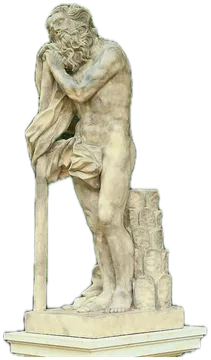
Father · Sources
one king, to whom the son of crooked-counselling Cronos hath vouchsafed the sceptre and judgments, that he may take counsel for his people. Thus masterfully did he range through the host, and they hasted back to the place of gathering from their ships and huts with noise, as when a wave of the loud-resounding sea
and the mother fluttered around them, wailing for her dear little ones; howbeit he coiled himself and caught her by the wing as she screamed about him. But when he had devoured the sparrow's little ones and the mother with them, the god, who had brought him to the light, made him to be unseen; for the son of crooked-counselling Cronos turned him to stone;
Even in such wise as the son of crooked-counselling Cronos sendeth a star to be a portent for seamen or for a wide host of warriors, a gleaming star, and therefrom the sparks fly thick; even so darted Pallas Athene to earth, and down she leapt into the midst; and amazement came upon all that beheld,
Il. 2.205–206 · Il. 2.319 · Il. 4.75 · Il. 9.37 · Il. 9.171 · Il. 9.236 · Il. 9.419 · Il. 9.502 · Il. 9.686 · Il. 10.71 · Il. 15.187 · Il. 16.431 · Il. 18.293
Mother · Sources
Out upon it, verily strong though he be he hath spoken overweeningly, if in sooth by force and in mine own despite he will restrain me that am of like honour with himself. For three brethren are we, begotten of Cronos, and born of Rhea,—Zeus, and myself, and the third is Hades, that is lord of the dead below. And in three-fold wise are all things divided, and unto each hath been apportioned his own domain.
Il. 15.187
Wife · Sources
how far I among all the gods am honoured the least. Then, greatly troubled, Zeus, the cloud-gatherer spoke to her: Surely this will be sorry work, since you will set me on to engage in strife with Hera, when she shall anger me with taunting words. Even now she always upbraids me among the immortal gods,and declares that I give aid to the Trojans in battle. But for the present, depart again, lest Hera note something; and I will take thought for these things to bring all to pass. Come, I will bow my head to you, that thou may be certain, for this from me is the surest token among the immortals;
hard will they prove for you, though you are my wife. Whatever it is fitting for you to hear, this none other shall know before you, whether of gods or men; but what I wish to devise apart from the gods, of all this do not in any way inquire nor ask.
There went he up and slept, and beside him lay Hera of the golden throne.
Il. 1.519–522 · Il. 1.546 · Il. 1.611 · Il. 4.5–6 · Il. 4.60–61 · Il. 7.411 · Il. 8.461 · Il. 10.5 · Il. 10.329 · Il. 14.155 · Il. 14.213 · Il. 14.295 · Il. 14.346 · Il. 15.5 · Il. 15.33 · Il. 15.34 · Il. 15.48 · Il. 15.91 · Il. 15.156 · Il. 16.432 · Il. 18.184 · Il. 18.356 · Il. 19.97 · Il. 21.479 · Il. 21.498–499 · Il. 21.512 · Il. 24.64
Sister through father · Sources
Квалификация братства/сестринства: Илиада: Общий отец подтверждён; сведения о матерях неполны. Различие матерей не установлено. Общие родители: Кронос.
Wikidata: Кронос — роль родителя · P22 Wikidata: Рея — роль родителя · P25 Wikidata: Кронос — роль родителя · P22For even though I grudge thee, and am fain to thwart their overthrow, I avail naught by my grudging, for truly thou art far the mightier. Still it beseemeth that my labour too be not made of none effect; for I also am a god, and my birth is from the stock whence is thine own, and crooked-counselling Cronos begat me as the most honoured of his daughters
even so with cries rushed they one against the other. And the son of crooked-counselling Cronos took pity when he saw them, and spake to Hera, his sister and his wife: Ah, woe is me, for that it is fated that Sarpedon, dearest of men to me, be slain by Patroclus, son of Menoetius!
the Myrmidons made moan in lamentation for Patroclus; but Zeus spake unto Hera, his sister and his wife: Thou hast then had thy way, O ox-eyed, queenly Hera; thou hast aroused Achilles, swift of foot. In good sooth must the long-haired Achaeans be children of thine own womb.
Il. 4.58 · Il. 16.432 · Il. 18.356
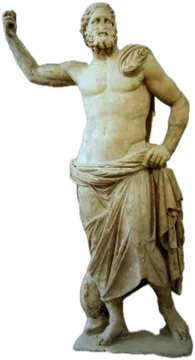
Brother · Sources
Квалификация братства/сестринства: Илиада: Общие отец и мать подтверждены. Общие родители: Рея, Кронос.
Wikidata: Рея — роль родителя · P25 Wikidata: Кронос — роль родителя · P22Квалификация братства/сестринства: Илиада: Общие отец и мать подтверждены. Общие родители: Рея, Кронос.
Wikidata: Рея — роль родителя · P25 Wikidata: Кронос — роль родителя · P22but was fain only to give glory to Thetis and to her son, strong of heart. But Poseidon went among the Argives and urged them on, stealing forth secretly from the grey sea; for it vexed him that they were being overcome by the Trojans, and against Zeus was he exceeding wroth. Both the twain verily were of one stock and of one parentage,but Zeus was the elder born and the wiser. Therefore it was that Poseidon avoided to give open aid, but secretly sought ever to rouse the Argives throughout the host, in the likeness of a man. So these twain knotted the ends of the cords of mighty strife and evil war, and drew them taut over both armies,
Out upon it, verily strong though he be he hath spoken overweeningly, if in sooth by force and in mine own despite he will restrain me that am of like honour with himself. For three brethren are we, begotten of Cronos, and born of Rhea,—Zeus, and myself, and the third is Hades, that is lord of the dead below. And in three-fold wise are all things divided, and unto each hath been apportioned his own domain.
Il. 13.354–355 · Il. 15.187–188
Claim of seniority and greater strength · Sources
Bid him cease from war and battle, and go to join the tribes of gods, or into the bright sea. And if so be he will not obey my words, but shall set them at naught, let him bethink him then in mind and heart, lest, how strong soever he be, he have no hardihood to abide my on-coming;for I avow me to be better far than he in might, and the elder born. Yet his heart counteth it but a little thing to declare himself the peer of me of whom even the other gods are adread. So spake he, and wind-footed, swift Iris failed not to hearken, but went down from the hills of Ida to sacred Ilios.
Il. 15.164–167
Connection · Sources
it were not meet for me, seeing I am the elder-born and know the more. Fool, how witless is the heart thou hast! Neither rememberest thou all the woes that we twain alone of all the gods endured at Ilios, what time we came
Il. 21.443
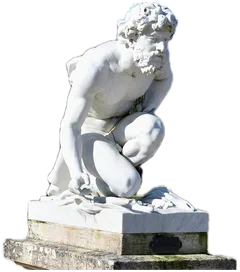
Brother · Sources
Квалификация братства/сестринства: Илиада: Общие отец и мать подтверждены. Общие родители: Рея, Кронос.
Wikidata: Рея — роль родителя · P25 Wikidata: Кронос — роль родителя · P22 Wikidata: Рея — роль родителя · P25 Wikidata: Кронос — роль родителя · P22Out upon it, verily strong though he be he hath spoken overweeningly, if in sooth by force and in mine own despite he will restrain me that am of like honour with himself. For three brethren are we, begotten of Cronos, and born of Rhea,—Zeus, and myself, and the third is Hades, that is lord of the dead below. And in three-fold wise are all things divided, and unto each hath been apportioned his own domain.
Il. 15.187–188
Wife · Sources
Hesiod says Zeus next wedded Themis; this is a Theogony tradition, not an Iliad assertion.
Hesiod, Theogony · Hesiod, Theogony 901–906
Beloved · Sources
Деметра — возлюбленная Зевса: прямо подтверждено словами Зевса в Илиаде; связь не обозначена как супружество.
Homer, Iliad 14, trans. A. T. Murray (Theoi Classical Texts Library) · Iliad 14.326–327and Semele bare Dionysus, the joy of mortals; nor of Demeter, the fair-tressed queen; nor of glorious Leto; nay, nor yet of thine own self, as now I love thee, and sweet desire layeth hold of me. Then with crafty mind the queenly Hera spake unto him:
Il. 14.326–327
Sister · Sources
Братство или сестринство выведено из общего родителя: Рея, Кронос. Матери и отцы, не указанные в источнике, не предполагаются. Квалификация братства/сестринства: Полнота родства и линия общего родителя не установлены.
Hesiod, Theogony (H. G. Evelyn-White) · Hesiod, Theogony 453–458one king, to whom the son of crooked-counselling Cronos hath vouchsafed the sceptre and judgments, that he may take counsel for his people. Thus masterfully did he range through the host, and they hasted back to the place of gathering from their ships and huts with noise, as when a wave of the loud-resounding sea
and the mother fluttered around them, wailing for her dear little ones; howbeit he coiled himself and caught her by the wing as she screamed about him. But when he had devoured the sparrow's little ones and the mother with them, the god, who had brought him to the light, made him to be unseen; for the son of crooked-counselling Cronos turned him to stone;
Even in such wise as the son of crooked-counselling Cronos sendeth a star to be a portent for seamen or for a wide host of warriors, a gleaming star, and therefrom the sparks fly thick; even so darted Pallas Athene to earth, and down she leapt into the midst; and amazement came upon all that beheld,
Il. 2.205–206 · Il. 2.319 · Il. 4.75 · Il. 9.37 · Il. 9.171 · Il. 9.236 · Il. 9.419 · Il. 9.502 · Il. 9.686 · Il. 10.71 · Il. 15.187 · Il. 16.431 · Il. 18.293
See all 56
In art

AmerikoV. Зевс-Победоносец. Эрмитаж. собрание не указано. CC BY-SA 4.0. https://commons.wikimedia.org/wiki/File%3A%D0%97%D0%B5%D0%B2%D1%81-%D0%9F%D0%BE%D0%B1%D0%B5%D0%B4%D0%BE%D0%BD%D0%BE%D1%81%D0%B5%D1%86._%D0%AD%D1%80%D0%BC%D0%B8%D1%82%D0%B0%D0%B6.jpg
Photograph / reproduction: AmerikoV
Photograph / reproduction date: 2021-04-10 19:02:12

Nicolas Bertin. The Infant Zeus among Nymphs. National Museum of Art, Architecture and Design. Public domain. https://www.wikidata.org/wiki/Q113699486
Nicolas Bertin. The Infant Zeus among Nymphs. National Museum of Art, Architecture and Design. Public domain. https://www.wikidata.org/wiki/Q113699486

Anton Raphael Mengs. Zeus kisses Ganymede. Galleria Nazionale d'Arte Antica. CC0. https://www.wikidata.org/wiki/Q131579687
Anton Raphael Mengs. Zeus kisses Ganymede. Galleria Nazionale d'Arte Antica. CC0. https://www.wikidata.org/wiki/Q131579687

Giulio Romano. Zeus seducing Olympias. Palazzo del Te. Public domain. https://www.wikidata.org/wiki/Q131579688
Giulio Romano. Zeus seducing Olympias. Palazzo del Te. Public domain. https://www.wikidata.org/wiki/Q131579688

Nicolaes Pieterszoon Berchem. The infancy of Zeus. Mauritshuis. Public domain. https://www.wikidata.org/wiki/Q17275722
Nicolaes Pieterszoon Berchem. The infancy of Zeus. Mauritshuis. Public domain. https://www.wikidata.org/wiki/Q17275722

J. Paul Getty Museum. Statue of Jupiter. J. Paul Getty Museum. CC0. https://www.wikidata.org/wiki/Q124767954
Photograph / reproduction: J. Paul Getty Museum
J. Paul Getty Museum. Statue of Jupiter. J. Paul Getty Museum. CC0. https://www.wikidata.org/wiki/Q124767954
Photograph / reproduction: J. Paul Getty Museum
Accord14. Marble ZEUS. собрание не указано. CC BY-SA 4.0. https://commons.wikimedia.org/wiki/File%3AMarble_ZEUS.jpg
Photograph / reproduction: Accord14
Photograph / reproduction date: 2016-10-22 14:59:54
Dave & Margie Hill / Kleerup from Centennial, CO, USA. Getty Villa - Collection (5305199658). собрание не указано. CC BY-SA 2.0. https://commons.wikimedia.org/wiki/File%3AGetty_Villa_-_Collection_%285305199658%29.jpg
Photograph / reproduction: Dave & Margie Hill / Kleerup from Centennial, CO, USA
Photograph / reproduction date: 2010-12-27 13:13
Dave & Margie Hill / Kleerup from Centennial, CO, USA. Getty Villa - Collection (5305200302). собрание не указано. CC BY-SA 2.0. https://commons.wikimedia.org/wiki/File%3AGetty_Villa_-_Collection_%285305200302%29.jpg
Photograph / reproduction: Dave & Margie Hill / Kleerup from Centennial, CO, USA
Photograph / reproduction date: 2010-12-27 13:13
Dave & Margie Hill / Kleerup from Centennial, CO, USA. Getty Villa - Collection (3151138838). собрание не указано. CC BY-SA 2.0. https://commons.wikimedia.org/wiki/File%3AGetty_Villa_-_Collection_%283151138838%29.jpg
Photograph / reproduction: Dave & Margie Hill / Kleerup from Centennial, CO, USA
Photograph / reproduction date: 2008-12-21 12:50
Taromsky. Jupiter-Villa d`Este-Marbury Hall-Getty. собрание не указано. CC BY-SA 4.0. https://commons.wikimedia.org/wiki/File%3AJupiter-Villa_d%60Este-Marbury_Hall-Getty.jpg
Photograph / reproduction: Taromsky
Photograph / reproduction date: 2017-09-23 15:33:29
Taromsky. Jupiter Profile-Villa d`Este-Marbury Hall-Getty. собрание не указано. CC BY-SA 4.0. https://commons.wikimedia.org/wiki/File%3AJupiter_Profile-Villa_d%60Este-Marbury_Hall-Getty.jpg
Photograph / reproduction: Taromsky
Photograph / reproduction date: 2017-09-23 15:33:29
Dave & Margie Hill / Kleerup from Centennial, CO, USA. Getty Villa - Collection (5304603617). собрание не указано. CC BY-SA 2.0. https://commons.wikimedia.org/wiki/File%3AGetty_Villa_-_Collection_%285304603617%29.jpg
Photograph / reproduction: Dave & Margie Hill / Kleerup from Centennial, CO, USA
Photograph / reproduction date: 2010-12-27 13:13
Dave & Margie Hill / Kleerup from Centennial, CO, USA. Getty Villa - Collection (5304602925). собрание не указано. CC BY-SA 2.0. https://commons.wikimedia.org/wiki/File%3AGetty_Villa_-_Collection_%285304602925%29.jpg
Photograph / reproduction: Dave & Margie Hill / Kleerup from Centennial, CO, USA
Photograph / reproduction date: 2010-12-27 13:13
Taromsky. Jupiter Sandals-Villa d`Este-Marbury Hall-Getty. собрание не указано. CC BY-SA 4.0. https://commons.wikimedia.org/wiki/File%3AJupiter_Sandals-Villa_d%60Este-Marbury_Hall-Getty.jpg
Photograph / reproduction: Taromsky
Photograph / reproduction date: 2017-09-23 15:33:29
Dave & Margie Hill / Kleerup from Centennial, CO, USA. Getty Villa - Collection (5304604219). собрание не указано. CC BY-SA 2.0. https://commons.wikimedia.org/wiki/File%3AGetty_Villa_-_Collection_%285304604219%29.jpg
Photograph / reproduction: Dave & Margie Hill / Kleerup from Centennial, CO, USA
Photograph / reproduction date: 2010-12-27 13:13
Dave & Margie Hill / Kleerup from Centennial, CO, USA. Getty Villa - Collection (5304604911). собрание не указано. CC BY-SA 2.0. https://commons.wikimedia.org/wiki/File%3AGetty_Villa_-_Collection_%285304604911%29.jpg
Photograph / reproduction: Dave & Margie Hill / Kleerup from Centennial, CO, USA
Photograph / reproduction date: 2010-12-27 13:13
Taromsky. Jupiter Body-Villa d`Este-Marbury Hall-Getty. собрание не указано. CC BY-SA 4.0. https://commons.wikimedia.org/wiki/File%3AJupiter_Body-Villa_d%60Este-Marbury_Hall-Getty.jpg
Photograph / reproduction: Taromsky
Photograph / reproduction date: 2017-09-23 15:34:16
Spikebrennan. Statue of zeus, getty museum, malibu california. собрание не указано. CC BY-SA 4.0. https://commons.wikimedia.org/wiki/File%3AStatue_of_zeus%2C_getty_museum%2C_malibu_california.JPG
Photograph / reproduction: Spikebrennan
Photograph / reproduction date: 2007-08-17
Gary Todd from Xinzheng, China. Roman Marble Statue of Zeus, 1-100 AD (10454164185). собрание не указано. CC0. https://commons.wikimedia.org/wiki/File%3ARoman_Marble_Statue_of_Zeus%2C_1-100_AD_%2810454164185%29.jpg
Photograph / reproduction: Gary Todd from Xinzheng, China
Photograph / reproduction date: 2010-06-26 04:52
sailko. Arte romana, zeus di marbury hall, I secolo dc.. собрание не указано. CC BY-SA 3.0. https://commons.wikimedia.org/wiki/File%3AArte_romana%2C_zeus_di_marbury_hall%2C_I_secolo_dc..JPG
Photograph / reproduction: sailko
Photograph / reproduction date: 2010-10-01 14:01:51
Gary Todd from Xinzheng, China. Roman Marble Statue of Zeus, 1-100 AD (10454166865). собрание не указано. CC0. https://commons.wikimedia.org/wiki/File%3ARoman_Marble_Statue_of_Zeus%2C_1-100_AD_%2810454166865%29.jpg
Photograph / reproduction: Gary Todd from Xinzheng, China
Photograph / reproduction date: 2010-06-26 04:52


Internet Archive Book Images. Zeus - a study in ancient religion (1914) (14779474201). собрание не указано. No restrictions. https://commons.wikimedia.org/wiki/File%3AZeus_-_a_study_in_ancient_religion_%281914%29_%2814779474201%29.jpg
Photograph / reproduction: Internet Archive Book Images
Photograph / reproduction date: 1914
See all 505
Sources and verification
The character is matched to the catalogue.
- Wikipedia · Zeus · CC BY-SA 4.0
Excerpt; remaining sentences omitted.
Reference material remains distinct from the poem’s assertions. Characters who share a name retain separate pages.