Apollo
God
Apollo is one of the Olympian deities in ancient Greek religion and mythology. His numerous functions include light, healing, prophecy, music, poetry, and archery.
Explore on the graph- Mentions
- 109
- Connected characters
- 34
- Books
- 21


Mentions in the Iliad
A. T. Murray, Loeb Classical Library, Harvard University Press, 1924 · Homer, Iliad with an English Translation · CC BY-SA 3.0 US
“from the time when first they parted in strife Atreus' son, king of men, and brilliant Achilles. Who then of the gods was it that brought these two together to contend? The son of Leto and Zeus; for he in anger against the king roused throughout the host an evil pestilence, and the people began to perish,”
“to the lord Apollo, whom fair-haired Leto bore: Hear me, god of the silver bow, who stand over Chryse and holy Cilla, and rule mightily over Tenedos, Sminthian god, if ever I roofed over a temple to your pleasing, or if ever I burned to you fat thigh-pieces of bulls and goats,”
“fulfill this prayer for me: let the Danaans pay for my tears by your arrows So he spoke in prayer, and Phoebus Apollo heard him. Down from the peaks of Olympus he strode, angered at heart, bearing on his shoulders his bow and covered quiver.”
“and who had guided the ships of the Achaeans to Ilios by his own prophetic powers which Phoebus Apollo had bestowed upon him. He with good intent addressed the gathering, and spoke among them: Achilles, dear to Zeus, you bid me declare the wrath of Apollo, the lord who strikes from afar.”
“not even if you name Agamemnon, who now claims to be far the best of the Achaeans. Then the blameless seer took heart, and spoke: It is not then because of a vow that he finds fault, nor because of a hecatomb, but because of the priest whom Agamemnon dishonoured, and did not release his daughter nor accept the ransom.”
“or you, son of Peleus, of all men most extreme, so that on our behalf you may propitiate the god who strikes from afar by offering sacrifice. Glaring from beneath his brows spoke to him swift-footed Achilles: Ah me, clothed in shamelessness, thinking of profit, how shall any man of the Achaeans obey your words with a ready heart”
“nor take heed of your wrath. But I will threaten you thus: as Phoebus Apollo takes from me the daughter of Chryses, her with my ship and my companions I will send back, but I will myself come to your tent and take the fair-cheeked Briseis, your prize, so that you will understand”
See all 107
Connections
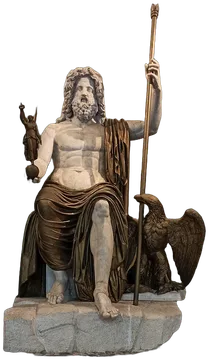
Father · Sources
from the time when first they parted in strife Atreus' son, king of men, and brilliant Achilles. Who then of the gods was it that brought these two together to contend? The son of Leto and Zeus; for he in anger against the king roused throughout the host an evil pestilence, and the people began to perish,
to sacred Ilios. And Apollo sped forth to meet her, for he looked down from out of Pergamus and beheld her, and was fain to have victory for the Trojans. So the twain met one with the other by the oak-tree. Then to her spake first the king Apollo, son of Zeus: Wherefore art thou again come thus eagerly from Olympus, thou daughter of great Zeus,
to the end that yet again the Achaeans may have respite from their toil. So spake he, nor was Apollo disobedient to his father s bidding, but went down from the hills of Ida, like a fleet falcon, the slayer of doves, that is the swiftest of winged things. He found the son of wise-hearted Priam, even goodly Hector,
Il. 1.9 · Il. 7.23 · Il. 15.236 · Il. 20.103 · Il. 21.229 · Il. 22.302
Master · Sources
to the end that yet again the Achaeans may have respite from their toil. So spake he, nor was Apollo disobedient to his father s bidding, but went down from the hills of Ida, like a fleet falcon, the slayer of doves, that is the swiftest of winged things. He found the son of wise-hearted Priam, even goodly Hector,
on the breast with a stone, and made me cease from my furious might? Aye, and I deemed that on this day I should behold the dead and the house of Hades, when I had gasped forth my life. Then spake to him again the lord Apollo, that worketh afar: Be now of good cheer, so mighty a helper hath the son of Cronossent forth from Ida to stand by thy side and succour thee, even me, Phoebus Apollo of the golden sword, that of old ever protect thee, thyself and the steep citadel withal. But come now, bid thy many charioteers drive against the hollow ships their swift horses,
Il. 15.236 · Il. 15.254–255
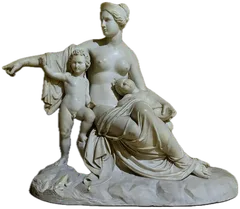
Mother · Sources
from the time when first they parted in strife Atreus' son, king of men, and brilliant Achilles. Who then of the gods was it that brought these two together to contend? The son of Leto and Zeus; for he in anger against the king roused throughout the host an evil pestilence, and the people began to perish,
to the lord Apollo, whom fair-haired Leto bore: Hear me, god of the silver bow, who stand over Chryse and holy Cilla, and rule mightily over Tenedos, Sminthian god, if ever I roofed over a temple to your pleasing, or if ever I burned to you fat thigh-pieces of bulls and goats,
Zeus, the son of Cronos, and Apollo, vouchsafed victory, they that subdued me full easily, for of themselves they took the harness from my shoulders. But if twenty such as thou had faced me, here would all have perished, slain by my spear. Nay, it was baneful Fate and the son of Leto that slew me,
Il. 1.9 · Il. 1.36 · Il. 16.849 · Il. 19.413 · Il. 24.607–608
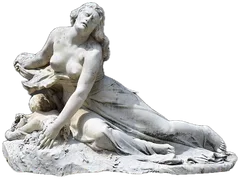
Mother · Sources
24.603–606: Аполлон перебил сыновей Ниобы; тип «вражда» не утверждается отдельно, поэтому связь показана как действие.
and lieth upon a bier; and at break of day thou shalt thyself behold him, as thou bearest him hence; but for this present let us bethink us of supper. For even the fair-haired Niobe bethought her of meat, albeit twelve children perished in her halls, six daughters and six lusty sons.The sons Apollo slew with shafts from his silver bow, being wroth against Niobe, and the daughters the archer Artemis, for that Niobe had matched her with fair-cheeked Leto, saying that the goddess had borne but twain, while herself was mother to many; wherefore they, for all they were but twain, destroyed them all.
Il. 24.603–606
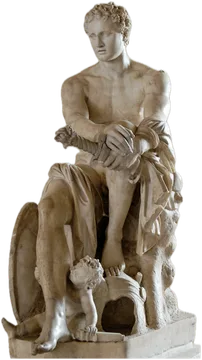
Paternal half-brother · Sources
Братство или сестринство выведено из общего родителя: Зевс. Матери и отцы, не указанные в источнике, не предполагаются. Квалификация братства/сестринства: Илиада: Общий отец; разные матери подтверждены. Общие родители: Зевс.
Wikidata: Гера — роль родителя · P25 Wikidata: Зевс — роль родителя · P22 Wikidata: Лето — роль родителя · P25 Wikidata: Зевс — роль родителя · P22from the time when first they parted in strife Atreus' son, king of men, and brilliant Achilles. Who then of the gods was it that brought these two together to contend? The son of Leto and Zeus; for he in anger against the king roused throughout the host an evil pestilence, and the people began to perish,
took furious Ares by the hand and spake to him, saying: Ares, Ares, thou bane of mortals, thou blood-stained stormer of walls, shall we not now leave the Trojans and Achaeans to fight, to whichsoever of the two it be that father Zeus shall vouchsafe glory? But for us twain, let us give place, and avoid the wrath of Zeus.
Howbeit I will no longer endure that thou shouldest be in pain, for thou art mine offspring, and it was to me that thy mother bare thee; but wert thou born of any other god, thus pestilent as thou art, then long ere this hadst thou been lower than the sons of heaven. He spake, and bade Paeëon heal his hurt;
Il. 1.9 · Il. 5.33 · Il. 5.896 · Il. 7.23 · Il. 15.236 · Il. 20.103 · Il. 21.229 · Il. 22.302
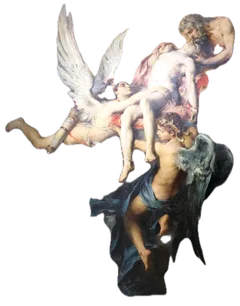
Brother through father · Sources
Братство или сестринство выведено из общего родителя: Зевс. Матери и отцы, не указанные в источнике, не предполагаются. Квалификация братства/сестринства: Илиада: Общий отец подтверждён; сведения о матерях неполны. Различие матерей не установлено. Общие родители: Зевс.
Wikidata: Зевс — пол родителя · P21 Wikidata: Лето — роль родителя · P25 Wikidata: Зевс — роль родителя · P22from the time when first they parted in strife Atreus' son, king of men, and brilliant Achilles. Who then of the gods was it that brought these two together to contend? The son of Leto and Zeus; for he in anger against the king roused throughout the host an evil pestilence, and the people began to perish,
And when they were come near as they advanced one against the other, the son and grandson of Zeus the cloud-gatherer, then Tlepolemus was first to speak, saying: Sarpedon, counsellor of the Lycians, why must thou be skulking here, that art a man unskilled in battle?They speak but a lie that say thou art sprung from Zeus that beareth the aegis, seeing thou art inferior far to those warriors that were sprung from Zeus in the days of men of old. Of other sort, men say, was mighty Heracles, my father, staunch in fight, the lionhearted,
And Tlepolemus smote Sarpedon upon the left thigh with his long spear, and the point sped through furiously and grazed the bone; howbeit his father as yet warded from him destruction. Then his goodly companions bare godlike Sarpedon forth from out the fight, and the long spear burdened him sore,as it trailed, but no man marked it or thought in their haste to draw forth from his thigh the spear of ash, that he might stand upon his feet; such toil had they in tending him. And on the other side the well-greaved Achaeans bare Tlepolemus from out the fight, and goodly Odysseusof the enduring soul was ware of it, and his spirit waxed furious within him; and he pondered then in heart and soul whether he should pursue further after the son of Zeus that thundereth aloud, or should rather take the lives of more Lycians. But not for great-hearted Odysseus was it ordained
Il. 1.9 · Il. 5.634–635 · Il. 5.662–672 · Il. 5.675 · Il. 6.198–199 · Il. 7.23 · Il. 12.292 · Il. 12.402–403 · Il. 15.67 · Il. 15.236 · Il. 16.522 · Il. 20.103 · Il. 21.229 · Il. 22.302
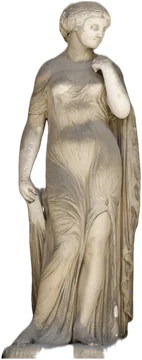
Paternal half-sister · Sources
Братство или сестринство выведено из общего родителя: Зевс. Матери и отцы, не указанные в источнике, не предполагаются. Квалификация братства/сестринства: Илиада: Общий отец; разные матери подтверждены. Общие родители: Зевс.
Гомер, Илиада — роль родителя · Ил. 3.236–238 Wikidata: Зевс — роль родителя · P22 Wikidata: Лето — роль родителя · P25 Wikidata: Зевс — роль родителя · P22from the time when first they parted in strife Atreus' son, king of men, and brilliant Achilles. Who then of the gods was it that brought these two together to contend? The son of Leto and Zeus; for he in anger against the king roused throughout the host an evil pestilence, and the people began to perish,
His battle-gear lieth upon the bounteous earth, but himself he rangeth like the bell-wether of a herd through the ranks of warriors. Like a ram he seemeth to me, a ram of thick fleece, that paceth through a great flock of white ewes. To him made answer Helen, sprung from Zeus:
and hate thee, even as now I love thee wondrously; and lest I devise grievous hatred between both, Trojans alike and Danaans; then wouldst thou perish of an evil fate. So spake she, and Helen, sprung from Zeus, was seized with fear; and she went, wrapping herself in her bright shining mantle,
Il. 1.9 · Il. 3.199 · Il. 3.418 · Il. 7.23 · Il. 15.236 · Il. 20.103 · Il. 21.229 · Il. 22.302
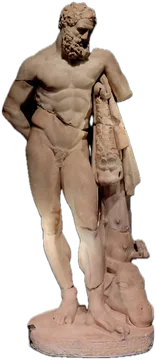
Paternal half-brother · Sources
Братство или сестринство выведено из общего родителя: Зевс. Матери и отцы, не указанные в источнике, не предполагаются. Квалификация братства/сестринства: Илиада: Общий отец; разные матери подтверждены. Общие родители: Зевс.
Wikidata: Зевс — пол родителя · P21 Wikidata: Лето — роль родителя · P25 Wikidata: Зевс — роль родителя · P22from the time when first they parted in strife Atreus' son, king of men, and brilliant Achilles. Who then of the gods was it that brought these two together to contend? The son of Leto and Zeus; for he in anger against the king roused throughout the host an evil pestilence, and the people began to perish,
And so suffered monstrous Hades even as the rest a bitter arrow, when this same man, the son of Zeus that beareth the aegis, smote him in Pylos amid the dead, and gave him over to pains. But he went to the house of Zeus and to high Olympus with grief at heart, pierced through with pains;
to sacred Ilios. And Apollo sped forth to meet her, for he looked down from out of Pergamus and beheld her, and was fain to have victory for the Trojans. So the twain met one with the other by the oak-tree. Then to her spake first the king Apollo, son of Zeus: Wherefore art thou again come thus eagerly from Olympus, thou daughter of great Zeus,
Il. 1.9 · Il. 5.396 · Il. 7.23 · Il. 8.363–365 · Il. 14.266 · Il. 14.324 · Il. 15.236 · Il. 20.103 · Il. 21.229 · Il. 22.302
See all 34
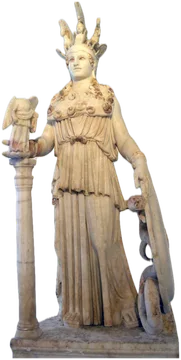
Opponent · Sources
But no blind watch did Apollo of the silver bow keep when he saw Athene attending the son of Tydeus; in wrath against her he entered the great throng of the Trojans, and aroused a counsellor of the Thracians, Hippocoön, the noble kinsman of Rhesus. And he leapt up out of sleep,
Il. 10.517
Sister through father · Sources
Братство или сестринство выведено из общего родителя: Зевс. Матери и отцы, не указанные в источнике, не предполагаются. Квалификация братства/сестринства: Илиада: Общий отец подтверждён; сведения о матерях неполны. Различие матерей не установлено. Общие родители: Зевс.
Wikidata: Зевс — роль родителя · P22 Wikidata: Лето — роль родителя · P25 Wikidata: Зевс — роль родителя · P22from the time when first they parted in strife Atreus' son, king of men, and brilliant Achilles. Who then of the gods was it that brought these two together to contend? The son of Leto and Zeus; for he in anger against the king roused throughout the host an evil pestilence, and the people began to perish,
Then he addressed her with winged words, and said: Why now, daughter of aegis-bearing Zeus, have you come? Is it so that you might see the arrogance of Agamemnon, son of Atreus? One thing I will tell you, and I think this will be brought to pass: through his own excessive pride shall he presently lose his life.
And with him there followed forty black ships. And they that held Athens, the well-built citadel, the land of great-hearted Erechtheus, whom of old Athene, daughter of Zeus, fostered, when the earth, the giver of grain, had borne him; and she made him to dwell in Athens, in her own rich sanctuary,
Il. 1.9 · Il. 1.202 · Il. 2.548 · Il. 4.87 · Il. 4.128 · Il. 4.515 · Il. 5.33 · Il. 5.115 · Il. 5.421 · Il. 5.714 · Il. 5.733 · Il. 5.815 · Il. 5.875–880 · Il. 6.303–304 · Il. 6.312 · Il. 7.23 · Il. 7.24 · Il. 8.39 · Il. 8.352 · Il. 8.384 · Il. 8.427 · Il. 10.278 · Il. 10.284 · Il. 10.553 · Il. 15.236 · Il. 19.342 · Il. 20.103 · Il. 21.229 · Il. 21.416 · Il. 22.178 · Il. 22.302
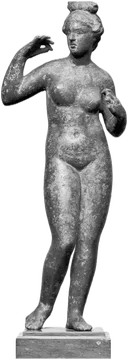
Paternal half-sister · Sources
Братство или сестринство выведено из общего родителя: Зевс. Матери и отцы, не указанные в источнике, не предполагаются. Квалификация братства/сестринства: Илиада: Общий отец; разные матери подтверждены. Общие родители: Зевс.
Wikidata: Диона — роль родителя · P25 Wikidata: Зевс — роль родителя · P22 Wikidata: Лето — роль родителя · P25 Wikidata: Зевс — роль родителя · P22from the time when first they parted in strife Atreus' son, king of men, and brilliant Achilles. Who then of the gods was it that brought these two together to contend? The son of Leto and Zeus; for he in anger against the king roused throughout the host an evil pestilence, and the people began to perish,
do not thou in any wise fight face to face with any other immortal gods, save only if Aphrodite, daughter of Zeus, shall enter the battle, her do thou smite with a thrust of the sharp bronze. When she had thus spoken, the goddess, flashing-eyed Athene, departed, and the son of Tydeus returned again and mingled with the foremost fighters;
and saved him in a dark cloud, lest any of the Danaans with swift horses might hurl a spear of bronze into his breast and take away his life. But over her shouted aloud Diomedes good at the war-cry: Keep thee away, daughter of Zeus, from war and fighting. Sufficeth it not that thou beguilest weakling women?
Il. 1.9 · Il. 5.131 · Il. 5.348 · Il. 5.427–428 · Il. 5.820 · Il. 7.23 · Il. 14.193 · Il. 14.224 · Il. 15.236 · Il. 20.103 · Il. 20.106 · Il. 21.229 · Il. 22.302
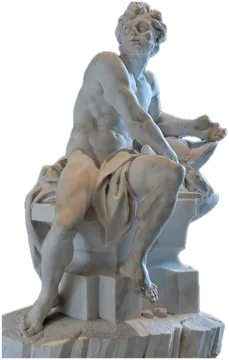
Paternal half-brother · Sources
Братство или сестринство выведено из общего родителя: Зевс. Матери и отцы, не указанные в источнике, не предполагаются. Квалификация братства/сестринства: Илиада: Общий отец; разные матери подтверждены. Общие родители: Зевс.
Wikidata: Гера — роль родителя · P25 Wikidata: Зевс — роль родителя · P22 Wikidata: Лето — роль родителя · P25 Wikidata: Зевс — роль родителя · P22from the time when first they parted in strife Atreus' son, king of men, and brilliant Achilles. Who then of the gods was it that brought these two together to contend? The son of Leto and Zeus; for he in anger against the king roused throughout the host an evil pestilence, and the people began to perish,
since worse things prevail. And I give counsel to my mother, wise though she be herself, to do pleasure to our dear father Zeus, that the father upbraid her not again, and bring confusion upon our feast. What if the Olympian, the lord of the lightning, were minded
to sacred Ilios. And Apollo sped forth to meet her, for he looked down from out of Pergamus and beheld her, and was fain to have victory for the Trojans. So the twain met one with the other by the oak-tree. Then to her spake first the king Apollo, son of Zeus: Wherefore art thou again come thus eagerly from Olympus, thou daughter of great Zeus,
Il. 1.9 · Il. 1.578 · Il. 7.23 · Il. 15.236 · Il. 20.11–12 · Il. 20.103 · Il. 21.229 · Il. 22.302
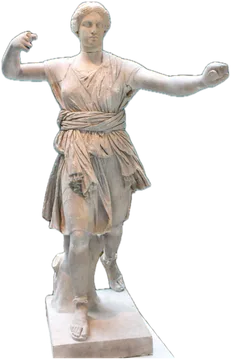
Sister · Sources
Квалификация братства/сестринства: Илиада: Общие отец и мать подтверждены. Общие родители: Лето, Зевс.
Wikidata: Лето — роль родителя · P25 Wikidata: Зевс — роль родителя · P22 Wikidata: Лето — роль родителя · P25 Wikidata: Зевс — роль родителя · P22against Hera stood forth the huntress of the golden arrows, and the echoing chase, even the archer Artemis, sister of the god that smiteth afar; against Leto stood forth the strong helper, Hermes, and against Hephaestus the great, deep-eddying river, that god called Xanthus, and men Scamander.
But his sister railed at him hotly, even the queen of the wild beasts, Artemis of the wild wood, and spake a word of reviling: Lo, thou fleest, thou god that workest afar, and to Poseidon hast thou utterly yielded the victory, and given him glory for naught! Fool, why bearest thou a bow thus worthless as wind?
Il. 20.71 · Il. 21.471
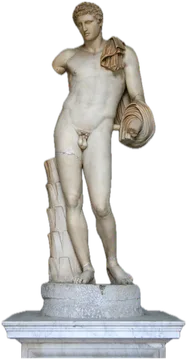
Brother through father · Sources
Братство или сестринство выведено из общего родителя: Зевс. Матери и отцы, не указанные в источнике, не предполагаются. Квалификация братства/сестринства: Илиада: Общий отец подтверждён; сведения о матерях неполны. Различие матерей не установлено. Общие родители: Зевс.
Wikidata: Зевс — роль родителя · P22 Wikidata: Лето — роль родителя · P25 Wikidata: Зевс — роль родителя · P22from the time when first they parted in strife Atreus' son, king of men, and brilliant Achilles. Who then of the gods was it that brought these two together to contend? The son of Leto and Zeus; for he in anger against the king roused throughout the host an evil pestilence, and the people began to perish,
to sacred Ilios. And Apollo sped forth to meet her, for he looked down from out of Pergamus and beheld her, and was fain to have victory for the Trojans. So the twain met one with the other by the oak-tree. Then to her spake first the king Apollo, son of Zeus: Wherefore art thou again come thus eagerly from Olympus, thou daughter of great Zeus,
to the end that yet again the Achaeans may have respite from their toil. So spake he, nor was Apollo disobedient to his father s bidding, but went down from the hills of Ida, like a fleet falcon, the slayer of doves, that is the swiftest of winged things. He found the son of wise-hearted Priam, even goodly Hector,
Il. 1.9 · Il. 7.23 · Il. 15.236 · Il. 20.103 · Il. 21.229 · Il. 22.302 · Il. 24.333
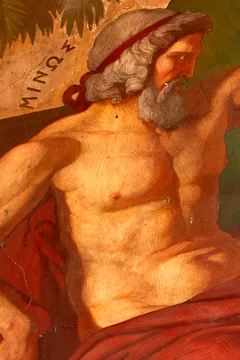
Brother through father · Sources
Братство или сестринство выведено из общего родителя: Зевс. Матери и отцы, не указанные в источнике, не предполагаются. Квалификация братства/сестринства: Илиада: Общий отец подтверждён; сведения о матерях неполны. Различие матерей не установлено. Общие родители: Зевс.
Wikidata: Зевс — пол родителя · P21 Wikidata: Лето — роль родителя · P25 Wikidata: Зевс — роль родителя · P22from the time when first they parted in strife Atreus' son, king of men, and brilliant Achilles. Who then of the gods was it that brought these two together to contend? The son of Leto and Zeus; for he in anger against the king roused throughout the host an evil pestilence, and the people began to perish,
to sacred Ilios. And Apollo sped forth to meet her, for he looked down from out of Pergamus and beheld her, and was fain to have victory for the Trojans. So the twain met one with the other by the oak-tree. Then to her spake first the king Apollo, son of Zeus: Wherefore art thou again come thus eagerly from Olympus, thou daughter of great Zeus,
For Zeus at the first begat Minos to be a watcher over Crete, and Minos again got him a son, even the peerless Deucalion, and Deucalion begat me, a lord over many men in wide Crete; and now have the ships brought me hither a bane to thee and thy father and the other Trojans.
Il. 1.9 · Il. 7.23 · Il. 13.450 · Il. 14.322 · Il. 15.236 · Il. 20.103 · Il. 21.229 · Il. 22.302
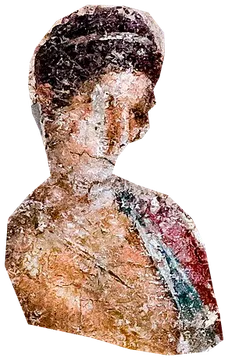
Brother through father · Sources
Братство или сестринство выведено из общего родителя: Зевс. Матери и отцы, не указанные в источнике, не предполагаются. Квалификация братства/сестринства: Илиада: Общий отец подтверждён; сведения о матерях неполны. Различие матерей не установлено. Общие родители: Зевс.
Wikidata: Зевс — пол родителя · P21 Wikidata: Лето — роль родителя · P25 Wikidata: Зевс — роль родителя · P22from the time when first they parted in strife Atreus' son, king of men, and brilliant Achilles. Who then of the gods was it that brought these two together to contend? The son of Leto and Zeus; for he in anger against the king roused throughout the host an evil pestilence, and the people began to perish,
these again had as leader Polypoetes, staunch in fight, son of Peirithous, whom immortal Zeus begat— even him whom glorious Hippodameia conceived to Peirithous on the day when he got him vengeance on the shaggy centaurs, and thrust them forth from Pelium, and drave them to the Aethices.
to sacred Ilios. And Apollo sped forth to meet her, for he looked down from out of Pergamus and beheld her, and was fain to have victory for the Trojans. So the twain met one with the other by the oak-tree. Then to her spake first the king Apollo, son of Zeus: Wherefore art thou again come thus eagerly from Olympus, thou daughter of great Zeus,
Il. 1.9 · Il. 2.741 · Il. 7.23 · Il. 14.318 · Il. 15.236 · Il. 20.103 · Il. 21.229 · Il. 22.302
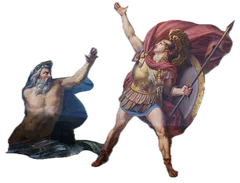
Brother through father · Sources
Братство или сестринство выведено из общего родителя: Зевс. Матери и отцы, не указанные в источнике, не предполагаются. Квалификация братства/сестринства: Илиада: Общий отец подтверждён; сведения о матерях неполны. Различие матерей не установлено. Общие родители: Зевс.
Wikidata: Зевс — роль родителя · P22 Wikidata: Лето — роль родителя · P25 Wikidata: Зевс — роль родителя · P22from the time when first they parted in strife Atreus' son, king of men, and brilliant Achilles. Who then of the gods was it that brought these two together to contend? The son of Leto and Zeus; for he in anger against the king roused throughout the host an evil pestilence, and the people began to perish,
to sacred Ilios. And Apollo sped forth to meet her, for he looked down from out of Pergamus and beheld her, and was fain to have victory for the Trojans. So the twain met one with the other by the oak-tree. Then to her spake first the king Apollo, son of Zeus: Wherefore art thou again come thus eagerly from Olympus, thou daughter of great Zeus,
that stood waiting for him at the rear of the battle and the conflict, with their charioteer and chariot richly dight. These bare him groaning heavily toward the city. But when they were now come to the ford of the fair-flowing river, even eddying Xanthus, that immortal Zeus begat,
Il. 1.9 · Il. 7.23 · Il. 14.434 · Il. 15.236 · Il. 20.103 · Il. 21.2 · Il. 21.229 · Il. 22.302 · Il. 24.693
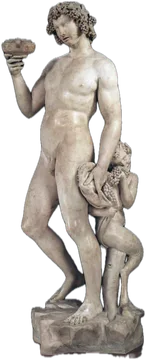
Paternal half-brother · Sources
Братство или сестринство выведено из общего родителя: Зевс. Матери и отцы, не указанные в источнике, не предполагаются. Квалификация братства/сестринства: Илиада: Общий отец; разные матери подтверждены. Общие родители: Зевс.
Wikidata: Семела — роль родителя · P25 Wikidata: Лето — роль родителя · P25 Wikidata: Зевс — роль родителя · P22from the time when first they parted in strife Atreus' son, king of men, and brilliant Achilles. Who then of the gods was it that brought these two together to contend? The son of Leto and Zeus; for he in anger against the king roused throughout the host an evil pestilence, and the people began to perish,
to sacred Ilios. And Apollo sped forth to meet her, for he looked down from out of Pergamus and beheld her, and was fain to have victory for the Trojans. So the twain met one with the other by the oak-tree. Then to her spake first the king Apollo, son of Zeus: Wherefore art thou again come thus eagerly from Olympus, thou daughter of great Zeus,
and Semele bare Dionysus, the joy of mortals; nor of Demeter, the fair-tressed queen; nor of glorious Leto; nay, nor yet of thine own self, as now I love thee, and sweet desire layeth hold of me. Then with crafty mind the queenly Hera spake unto him:
Il. 1.9 · Il. 7.23 · Il. 14.325 · Il. 15.236 · Il. 20.103 · Il. 21.229 · Il. 22.302
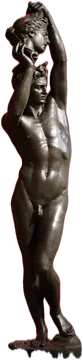
Brother through father · Sources
Братство или сестринство выведено из общего родителя: Зевс. Матери и отцы, не указанные в источнике, не предполагаются. Квалификация братства/сестринства: Илиада: Общий отец подтверждён; сведения о матерях неполны. Различие матерей не установлено. Общие родители: Зевс.
Wikidata: Лето — роль родителя · P25 Wikidata: Зевс — роль родителя · P22from the time when first they parted in strife Atreus' son, king of men, and brilliant Achilles. Who then of the gods was it that brought these two together to contend? The son of Leto and Zeus; for he in anger against the king roused throughout the host an evil pestilence, and the people began to perish,
to sacred Ilios. And Apollo sped forth to meet her, for he looked down from out of Pergamus and beheld her, and was fain to have victory for the Trojans. So the twain met one with the other by the oak-tree. Then to her spake first the king Apollo, son of Zeus: Wherefore art thou again come thus eagerly from Olympus, thou daughter of great Zeus,
who bare Perseus, pre-eminent above all warriors; nor of the daughter of far-famed Phoenix, that bare me Minos and godlike Rhadamanthys; nor of Semele, nor of Alcmene in Thebes, and she brought forth Heracles, her son stout of heart,
Il. 1.9 · Il. 7.23 · Il. 14.320 · Il. 15.236 · Il. 20.103 · Il. 21.229 · Il. 22.302
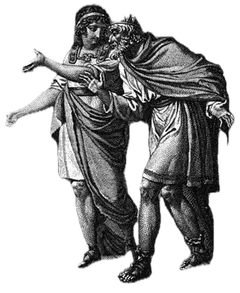
Brother through father · Sources
Братство или сестринство выведено из общего родителя: Зевс. Матери и отцы, не указанные в источнике, не предполагаются. Квалификация братства/сестринства: Илиада: Общий отец подтверждён; сведения о матерях неполны. Различие матерей не установлено. Общие родители: Зевс.
Wikidata: Зевс — пол родителя · P21 Wikidata: Лето — роль родителя · P25 Wikidata: Зевс — роль родителя · P22from the time when first they parted in strife Atreus' son, king of men, and brilliant Achilles. Who then of the gods was it that brought these two together to contend? The son of Leto and Zeus; for he in anger against the king roused throughout the host an evil pestilence, and the people began to perish,
to sacred Ilios. And Apollo sped forth to meet her, for he looked down from out of Pergamus and beheld her, and was fain to have victory for the Trojans. So the twain met one with the other by the oak-tree. Then to her spake first the king Apollo, son of Zeus: Wherefore art thou again come thus eagerly from Olympus, thou daughter of great Zeus,
to the end that yet again the Achaeans may have respite from their toil. So spake he, nor was Apollo disobedient to his father s bidding, but went down from the hills of Ida, like a fleet falcon, the slayer of doves, that is the swiftest of winged things. He found the son of wise-hearted Priam, even goodly Hector,
Il. 1.9 · Il. 7.23 · Il. 15.236 · Il. 20.103 · Il. 21.189 · Il. 21.229 · Il. 22.302
Brother through father · Sources
Братство или сестринство выведено из общего родителя: Зевс. Матери и отцы, не указанные в источнике, не предполагаются. Квалификация братства/сестринства: Илиада: Общий отец подтверждён; сведения о матерях неполны. Различие матерей не установлено. Общие родители: Зевс.
Wikidata: Зевс — пол родителя · P21 Wikidata: Лето — роль родителя · P25 Wikidata: Зевс — роль родителя · P22from the time when first they parted in strife Atreus' son, king of men, and brilliant Achilles. Who then of the gods was it that brought these two together to contend? The son of Leto and Zeus; for he in anger against the king roused throughout the host an evil pestilence, and the people began to perish,
to sacred Ilios. And Apollo sped forth to meet her, for he looked down from out of Pergamus and beheld her, and was fain to have victory for the Trojans. So the twain met one with the other by the oak-tree. Then to her spake first the king Apollo, son of Zeus: Wherefore art thou again come thus eagerly from Olympus, thou daughter of great Zeus,
to the end that yet again the Achaeans may have respite from their toil. So spake he, nor was Apollo disobedient to his father s bidding, but went down from the hills of Ida, like a fleet falcon, the slayer of doves, that is the swiftest of winged things. He found the son of wise-hearted Priam, even goodly Hector,
Il. 1.9 · Il. 7.23 · Il. 15.236 · Il. 20.103 · Il. 20.215 · Il. 20.303–305 · Il. 21.229 · Il. 22.302
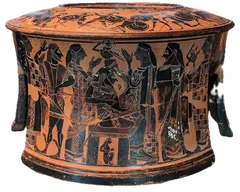
Sister · Sources
Братство или сестринство выведено из общего родителя: Зевс. Матери и отцы, не указанные в источнике, не предполагаются. Квалификация братства/сестринства: Полнота родства и линия общего родителя не установлены.
Илифия · Русская Википедия, «Илифия»from the time when first they parted in strife Atreus' son, king of men, and brilliant Achilles. Who then of the gods was it that brought these two together to contend? The son of Leto and Zeus; for he in anger against the king roused throughout the host an evil pestilence, and the people began to perish,
to sacred Ilios. And Apollo sped forth to meet her, for he looked down from out of Pergamus and beheld her, and was fain to have victory for the Trojans. So the twain met one with the other by the oak-tree. Then to her spake first the king Apollo, son of Zeus: Wherefore art thou again come thus eagerly from Olympus, thou daughter of great Zeus,
to the end that yet again the Achaeans may have respite from their toil. So spake he, nor was Apollo disobedient to his father s bidding, but went down from the hills of Ida, like a fleet falcon, the slayer of doves, that is the swiftest of winged things. He found the son of wise-hearted Priam, even goodly Hector,
Il. 1.9 · Il. 7.23 · Il. 15.236 · Il. 20.103 · Il. 21.229 · Il. 22.302
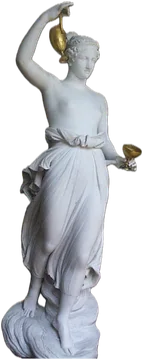
Sister · Sources
Братство или сестринство выведено из общего родителя: Зевс. Матери и отцы, не указанные в источнике, не предполагаются. Квалификация братства/сестринства: Полнота родства и линия общего родителя не установлены.
Геба · ruwiki, «Геба» (intro)from the time when first they parted in strife Atreus' son, king of men, and brilliant Achilles. Who then of the gods was it that brought these two together to contend? The son of Leto and Zeus; for he in anger against the king roused throughout the host an evil pestilence, and the people began to perish,
to sacred Ilios. And Apollo sped forth to meet her, for he looked down from out of Pergamus and beheld her, and was fain to have victory for the Trojans. So the twain met one with the other by the oak-tree. Then to her spake first the king Apollo, son of Zeus: Wherefore art thou again come thus eagerly from Olympus, thou daughter of great Zeus,
to the end that yet again the Achaeans may have respite from their toil. So spake he, nor was Apollo disobedient to his father s bidding, but went down from the hills of Ida, like a fleet falcon, the slayer of doves, that is the swiftest of winged things. He found the son of wise-hearted Priam, even goodly Hector,
Il. 1.9 · Il. 7.23 · Il. 15.236 · Il. 20.103 · Il. 21.229 · Il. 22.302
Brother through father · Sources
Братство или сестринство выведено из общего родителя: Зевс. Матери и отцы, не указанные в источнике, не предполагаются. Квалификация братства/сестринства: Илиада: Общий отец подтверждён; сведения о матерях неполны. Различие матерей не установлено. Общие родители: Зевс.
Wikidata: Лето — роль родителя · P25 Wikidata: Зевс — роль родителя · P22from the time when first they parted in strife Atreus' son, king of men, and brilliant Achilles. Who then of the gods was it that brought these two together to contend? The son of Leto and Zeus; for he in anger against the king roused throughout the host an evil pestilence, and the people began to perish,
to sacred Ilios. And Apollo sped forth to meet her, for he looked down from out of Pergamus and beheld her, and was fain to have victory for the Trojans. So the twain met one with the other by the oak-tree. Then to her spake first the king Apollo, son of Zeus: Wherefore art thou again come thus eagerly from Olympus, thou daughter of great Zeus,
who bare Perseus, pre-eminent above all warriors; nor of the daughter of far-famed Phoenix, that bare me Minos and godlike Rhadamanthys; nor of Semele, nor of Alcmene in Thebes, and she brought forth Heracles, her son stout of heart,
Il. 1.9 · Il. 7.23 · Il. 14.322 · Il. 15.236 · Il. 20.103 · Il. 21.229 · Il. 22.302
Sister through father · Sources
Братство или сестринство выведено из общего родителя: Зевс. Матери и отцы, не указанные в источнике, не предполагаются. Квалификация братства/сестринства: Илиада: Общий отец подтверждён; сведения о матерях неполны. Различие матерей не установлено. Общие родители: Зевс.
Wikidata: Зевс — роль родителя · P22 Wikidata: Лето — роль родителя · P25 Wikidata: Зевс — роль родителя · P22from the time when first they parted in strife Atreus' son, king of men, and brilliant Achilles. Who then of the gods was it that brought these two together to contend? The son of Leto and Zeus; for he in anger against the king roused throughout the host an evil pestilence, and the people began to perish,
to sacred Ilios. And Apollo sped forth to meet her, for he looked down from out of Pergamus and beheld her, and was fain to have victory for the Trojans. So the twain met one with the other by the oak-tree. Then to her spake first the king Apollo, son of Zeus: Wherefore art thou again come thus eagerly from Olympus, thou daughter of great Zeus,
to the end that yet again the Achaeans may have respite from their toil. So spake he, nor was Apollo disobedient to his father s bidding, but went down from the hills of Ida, like a fleet falcon, the slayer of doves, that is the swiftest of winged things. He found the son of wise-hearted Priam, even goodly Hector,
Il. 1.9 · Il. 7.23 · Il. 15.236 · Il. 19.91 · Il. 20.103 · Il. 21.229 · Il. 22.302
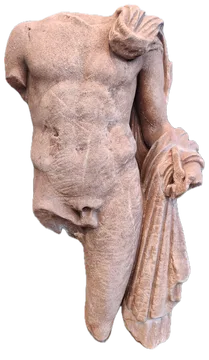
Grandson · Sources
Описание прямо называет Махаона внуком Аполлона; сохранённый снимок Русской Википедии подтверждает «внук Аполлона».
Махаон (мифология) · Русская Википедия, «Махаон (мифология)», rev. 137799805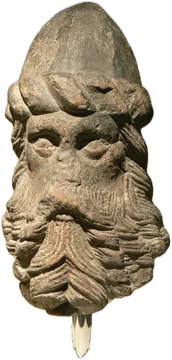
Under the protection of Apollo · Sources
sent forth from Ida to stand by thy side and succour thee, even me, Phoebus Apollo of the golden sword, that of old ever protect thee, thyself and the steep citadel withal. But come now, bid thy many charioteers drive against the hollow ships their swift horses,
Il. 15.256–257
Ward · Sources
and bind Hector behind the chariot to drag him withal; and when he had haled him thrice about the barrow of the dead son of Menoetius, he would rest again in his hut, but would leave Hector outstretched on his face in the dust. Howbeit Apollo kept all defacement from his flesh, pitying the warrior
Il. 24.19
Connection · Sources
Him hath great-souled Hector slain. Where now are thy arrows that bring swift death, and the bow that Phoebus Apollos gave thee? So spake he, and the other hearkened, and ran, and took his stand close beside him, bearing in his hand his bent-back bow and the quiver that held his arrows; and full swiftly did he let fly his shafts upon the Trojans.
Il. 15.441
Under the protection of Apollo · Sources
Феб вырывает Агенора из битвы, окутывает туманом и даёт невредимым удалиться — Аполлон защищает Агенора.
And the son of Peleus in his turn set upon godlike Agenor; howbeit Apollo suffered him not to win glory, but snatched away Agenor, and shrouded him in thick mist, and sent him forth from the war to go his way in peace.
Il. 21.595–598
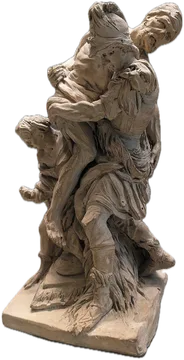
Under the protection of Apollo · Sources
and all these things shall be the business of swift Ares and Athene. On this wise spake they one to the other; but Diomedes, good at the war-cry, leapt upon Aeneas, though well he knew that Apollo himself held forth his arms above him; yet had he no awe even of the great god, but was still eagerto slay Aeneas and strip from him his glorious armour. Thrice then he leapt upon him, furiously fain to slay him, and thrice did Apollo beat back his shining shield. But when for the fourth time he rushed upon him like a god, then with a terrible cry spake to him Apollo that worketh afar:
Aeneas then did Apollo set apart from the throng in sacred Pergamus where was his temple builded. There Leto and the archer Artemis healed him in the great sanctuary, and glorified him; but Apollo of the silver bow fashioned a wraith
Il. 5.433–435 · Il. 5.445–446
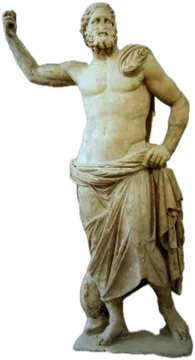
Connection · Sources
But unto Apollo spake the lord Poseidon, the Shaker of Earth: Phoebus, wherefore do we twain stand aloof? It beseemeth not, seeing others have begun. Nay, it were the more shameful, if without fighting we should fare back to Olympus, to the house of Zeus with threshold of bronze. Begin, since thou art the younger;it were not meet for me, seeing I am the elder-born and know the more. Fool, how witless is the heart thou hast! Neither rememberest thou all the woes that we twain alone of all the gods endured at Ilios, what time we came
are now full of flaming life, eating the fruit of the field, and now again pine away and perish. Nay, with speed let us cease from strife, and let them do battle by themselves. So saying he turned him back, for he had shame to deal in blows with his father's brother.
Il. 21.439–440 · Il. 21.469
Master · Sources
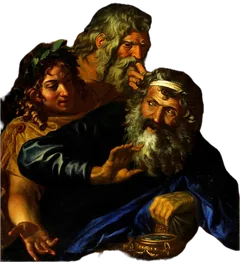
Стихи 21.448–449 прямо называют, что Аполлон пас коров Лаомедонта на Иде, то есть служил ему; сама служба названа в 21.444.
it were not meet for me, seeing I am the elder-born and know the more. Fool, how witless is the heart thou hast! Neither rememberest thou all the woes that we twain alone of all the gods endured at Ilios, what time we cameat the bidding of Zeus and served the lordly Laomedon for a year's space at a fixed wage, and he was our taskmaster and laid on us his commands. I verily built for the Trojans round about their city a wall, wide and exceeding fair, that the city might never be broken; and thou, Phoebus, didst herd the sleek kine of shambling gait amid the spurs of wooded Ida, the many-ridged.
Il. 21.444–449
Connection · Sources
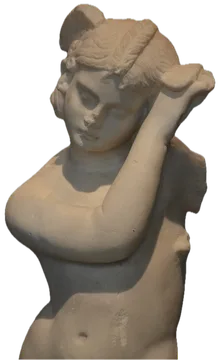
Стихи 16.676–683 прямо говорят, что Аполлон поручил тело Сарпедона Смерти и Сну; устойчивое отношение поручения, тип other.
with mound and pillar; for this is the due of tne dead. So spake he, nor was Apollo disobedient to his father's bidding, but went down from the hills of Ida into the dread din of battle. Forthwith then he lifted up goodly Sarpedon forth from out the range of darts, and when he had borne him far away, bathed him in the streams of the river,and anointed him with ambrosia, and clothed him about with immortal raiment, and gave him to swift conveyers to bear with them, even to the twin brethren, Sleep and Death, who set him speedily in the rich land of wide Lycia. But Patroclus with a call to his horses and to Automedon,
Il. 16.676–683
Connection · Sources
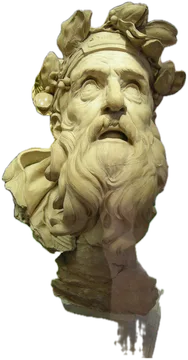
Стихи 17.323–324 прямо называют, что Аполлон принял облик Перифанта; устойчивое отношение «принял облик» с точной подписью, тип other.
dear to Ares, up to Ilios, vanquished in their cowardice, and the Argives would have won glory even beyond the allotment of Zeus, by reason of their might and their strength, had not Apollo himself aroused Aeneas, taking upon him the form of the herald, Periphas, son of Epytos, that in the house of his old father
Il. 17.323–324
Priest · Sources
not even if you name Agamemnon, who now claims to be far the best of the Achaeans. Then the blameless seer took heart, and spoke: It is not then because of a vow that he finds fault, nor because of a hecatomb, but because of the priest whom Agamemnon dishonoured, and did not release his daughter nor accept the ransom.
came to the swift ships of the bronze-clad Achaeans, to free his daughter, bearing ransom past counting, and in his hands he held the wreaths of Apollo who strikes from afar, on a staff of gold, and he implored all the Achaeans, but most of all the two sons of Atreus, marshallers of the people.
Then they cast out the mooring-stones and made fast the stern cables, and themselves went forth upon the shore of the sea. They brought forth the hecatomb for Apollo, who strikes from afar, and forth stepped also the daughter of Chryses from the sea-faring ship. Her then did Odysseus of many wiles lead to the altar,and place in the arms of her dear father, saying to him: Chryses, Agamemnon, king of men, sent me forth to bring to you your daughter, and to offer to Phoebus a holy hecatomb on the Danaans' behalf, that therewith we may propitiate the lord, who has now brought upon the Argives woeful lamentation.
Il. 1.94 · Il. 1.370 · Il. 1.439–442
Connection · Sources
Стих 17.73 прямо говорит, что Аполлон уподобился Менту, начальнику киконов.
Full easily then would Atreus' son have borne off the glorious armour of the son of Panthous, but that Phoebus Apollo begrudged it him, and in the likeness of a man, even of Mentes, leader of the Cicones, aroused against him Hector, the peer of swift Ares. And he spake and addressed him in winged words:
Il. 17.72–73
In art

Jan Boeckhorst. Apollo as god of Delphi. City Museum of Münster. Public domain. https://www.wikidata.org/wiki/Q100235804
Jan Boeckhorst. Apollo as god of Delphi. City Museum of Münster. Public domain. https://www.wikidata.org/wiki/Q100235804

Peter Paul Rubens. Apollo as Victor over Pan (sketch for the Torre de la Parada). Royal Museums of Fine Arts of Belgium. Public domain. https://www.wikidata.org/wiki/Q111172347
Peter Paul Rubens. Apollo as Victor over Pan (sketch for the Torre de la Parada). Royal Museums of Fine Arts of Belgium. Public domain. https://www.wikidata.org/wiki/Q111172347

Peter Paul Rubens. Apollo in the chariot of the sun. Liechtenstein Museum. Public domain. https://www.wikidata.org/wiki/Q111487767
Peter Paul Rubens. Apollo in the chariot of the sun. Liechtenstein Museum. Public domain. https://www.wikidata.org/wiki/Q111487767

Giovanni Baglione. Apollon by Giovanni Baglione (1620). Department of Paintings of the Louvre. Public domain. https://www.wikidata.org/wiki/Q115671302
Giovanni Baglione. Apollon by Giovanni Baglione (1620). Department of Paintings of the Louvre. Public domain. https://www.wikidata.org/wiki/Q115671302

Odilon Redon. The Chariot of Apollo. Musée des Beaux-Arts de Bordeaux. Public domain. https://www.wikidata.org/wiki/Q123055486
Odilon Redon. The Chariot of Apollo. Musée des Beaux-Arts de Bordeaux. Public domain. https://www.wikidata.org/wiki/Q123055486

Dosso Dossi. Apollo. Galleria Borghese. Public domain. https://www.wikidata.org/wiki/Q129182385
Dosso Dossi. Apollo. Galleria Borghese. Public domain. https://www.wikidata.org/wiki/Q129182385

Filippo Lauri. Apollo Flaying Marsyas. Department of Paintings of the Louvre. Public domain. https://www.wikidata.org/wiki/Q18573590
Filippo Lauri. Apollo Flaying Marsyas. Department of Paintings of the Louvre. Public domain. https://www.wikidata.org/wiki/Q18573590
See all 412
Sources and verification
The character is matched to the catalogue.
- Wikipedia · Apollo · CC BY-SA 4.0
Excerpt; remaining sentences omitted.
Reference material remains distinct from the poem’s assertions. Characters who share a name retain separate pages.