Priam
Mortal man
In Greek mythology, Priam (; Ancient Greek: Πρίαμος, pronounced [prí.amos]) was the legendary and last king of Troy during the Trojan War. He was the son of Laomedon.
Explore on the graph- Mentions
- 146
- Connected characters
- 44
- Books
- 22


Mentions in the Iliad
A. T. Murray, Loeb Classical Library, Harvard University Press, 1924 · Homer, Iliad with an English Translation · CC BY-SA 3.0 US
“but most of all the two sons of Atreus, the marshallers of the people: Sons of Atreus, and other well-greaved Achaeans, to you may the gods who have homes upon Olympus grant that you sack the city of Priam, and return safe to your homes; but my dear child release to me, and accept the ransom”
“rejoice, and the rest of the Trojans would be most glad at heart, were they to hear all this of you two quarrelling, you who are chief among the Danaans in counsel and chief in war. Listen to me, for you are both younger than I. In earlier times I moved among men more warlike than you,”
“So spoke the Dream, and departed, and left him there, pondering in his heart on things that were not to be brought to pass. For in sooth he deemed that he should take the city of Priam that very day, fool that he was! seeing he knew not what deeds Zeus was purposing,”
“Aye, and they would leave to Priam and the Trojans their boast, even Argive Helen, for whose sake many an Achaean hath perished in Troy, far from his dear native land. But go thou now throughout the host of the brazen-coated Achaeans; with thy gentle words seek thou to restrain every man,”
“on your benched ships to flee to your dear native land? Aye, and ye would leave to Priam and the Trojans their boast, even Argive Helen, for whose sake many an Achaean hath perished in Troy, far from his dear native land. But go thou now throughout the host of the Achaeans, and hold thee back no more;”
“whether the prophecies of Calchas be true, or no. For this in truth do we know well in our hearts, and ye are all witnesses thereto, even as many as the fates of death have not borne away. It was but as yesterday or the day before, when the ships of the Achaeans were gathering in Aulis, laden with woes for Priam and the Trojans;”
“and now all this is verily being brought to pass. Nay, come, abide ye all, ye well-greaved Achaeans, even where ye are, until we take the great city of Priam. So spake he, and the Argives shouted aloud, and all round about them the ships echoed wondrously beneath the shouting of the Achaeans,”
See all 145
Connections
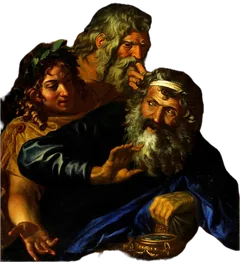
Father · Sources
Rise, thou son of Laomedon, the chieftains of the horse-taming Trojans, and of the brazen-coated Achaeans, summon thee to go down into the plain, that ye may swear oaths of faith with sacrifice. But Alexander and Menelaus, dear to Ares, will do battle with long spears for the woman's sake;
And Ilus again begat a son, peerless Laomedon, and Laomedon begat Tithonus and Priam and Clytius, and Hicetaon, scion of Ares. And Assaracus begat Capys, and he Anchises; but Anchises begat me and Priam goodly Hector.
Il. 3.250 · Il. 20.237
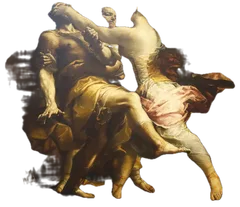
Wife · Sources
make ready the running mule waggon, and bind the wicker box thereon. And himself he went down to the vaulted treasure-chamber, fragrant of cedar wood and high of roof, that held jewels full many: and he called to him Hecabe his wife, and spake: Lady, from Zeus hath an Olympian messenger come to me,
Then, when he had washed his hands, he took the cup from his wife and then made prayer, standing in the midst of thie court, and poured forth the wine, with a look toward heaven, and spake ahoud, saying: Father Zeus, that rulest from Ida, most glorious, most great, grant that I may come unto Achilles' hut as one to be welcomed and to be pitied;
Il. 24.193 · Il. 24.305
Brother · Sources
Братство или сестринство выведено из общего родителя: Лаомедонт. Матери и отцы, не указанные в источнике, не предполагаются. Квалификация братства/сестринства: Илиада: Общий родитель подтверждён; роль отца или матери не установлена. Общие родители: Лаомедонт.
Wikidata: Лаомедонт — роль родителя · P22Rise, thou son of Laomedon, the chieftains of the horse-taming Trojans, and of the brazen-coated Achaeans, summon thee to go down into the plain, that ye may swear oaths of faith with sacrifice. But Alexander and Menelaus, dear to Ares, will do battle with long spears for the woman's sake;
Then Euryalus slew Dresus and Opheltius, and went on after Aesepus and Pedasus, whom on a time the fountain-nymph Abarbarea bare to peerless Bucolion. Now Bucolion was son of lordly Laomedon, his eldest born, though the mother that bare him was unwed;
And Ilus again begat a son, peerless Laomedon, and Laomedon begat Tithonus and Priam and Clytius, and Hicetaon, scion of Ares. And Assaracus begat Capys, and he Anchises; but Anchises begat me and Priam goodly Hector.
Il. 3.250 · Il. 6.23 · Il. 20.237
Brother · Sources
Братство или сестринство выведено из общего родителя: Лаомедонт. Матери и отцы, не указанные в источнике, не предполагаются. Квалификация братства/сестринства: Илиада: Общий родитель подтверждён; роль отца или матери не установлена. Общие родители: Лаомедонт.
Wikidata: Лаомедонт — роль родителя · P22Rise, thou son of Laomedon, the chieftains of the horse-taming Trojans, and of the brazen-coated Achaeans, summon thee to go down into the plain, that ye may swear oaths of faith with sacrifice. But Alexander and Menelaus, dear to Ares, will do battle with long spears for the woman's sake;
And Ilus again begat a son, peerless Laomedon, and Laomedon begat Tithonus and Priam and Clytius, and Hicetaon, scion of Ares. And Assaracus begat Capys, and he Anchises; but Anchises begat me and Priam goodly Hector.
And Ilus again begat a son, peerless Laomedon, and Laomedon begat Tithonus and Priam and Clytius, and Hicetaon, scion of Ares. And Assaracus begat Capys, and he Anchises; but Anchises begat me and Priam goodly Hector.
Il. 3.250 · Il. 20.237 · Il. 20.237–238
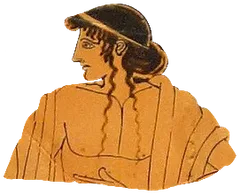
Brother · Sources
Братство или сестринство выведено из общего родителя: Лаомедонт. Матери и отцы, не указанные в источнике, не предполагаются. Квалификация братства/сестринства: Илиада: Общий родитель подтверждён; роль отца или матери не установлена. Общие родители: Лаомедонт.
Wikidata: Лаомедонт — роль родителя · P22Rise, thou son of Laomedon, the chieftains of the horse-taming Trojans, and of the brazen-coated Achaeans, summon thee to go down into the plain, that ye may swear oaths of faith with sacrifice. But Alexander and Menelaus, dear to Ares, will do battle with long spears for the woman's sake;
And Ilus again begat a son, peerless Laomedon, and Laomedon begat Tithonus and Priam and Clytius, and Hicetaon, scion of Ares. And Assaracus begat Capys, and he Anchises; but Anchises begat me and Priam goodly Hector.
Il. 3.250 · Il. 20.237
See all 44
Wife · Sources
and to a brief span of life did my mother bear me, even Laothoe, daughter of the old man Altes,—Altes that is lord over the war-loving Leleges, holding steep Pedasus on the Satnioeis. His daughter Priam had to wife, and therewithal many another, and of her we twain were born, and thou wilt butcher us both.
slaying them and selling them into isles that hie afar. For even now there be twain of my sons, Lycaon and Polydorus, that I cannot see amid the Trojans that are gathered into the city, even they that Laothoe bare me, a princess among women. But if they be yet alive in the camp of the foe, then verily
Il. 21.88 · Il. 22.48
Wife · Sources
He spake, and shot another arrow from the string straight against Hector; and his heart was fain to smite him. Howbeit him he missed, but peerless Gorgythion he smote in the breast with his arrow, Priam's valiant son, that a mother wedded from Aesyme had born,even fair Castianeira, in form like to the goddesses. And he bowed his head to one side like a poppy that in a garden is laden with its fruit and the rains of spring; so bowed he to one side his head, laden with his helmet. And Teucer shot another arrow from the string
Il. 8.304–305
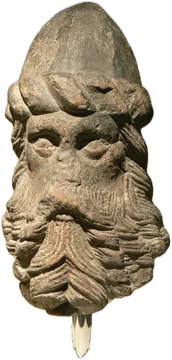
Son · Sources
There on this day did the Trojans and their allies separate their companies. The Trojans were led by great Hector of the flashing helm, the son of Priam, and with him were marshalled the greatest hosts by far and the goodliest, raging with the spear. Of the Dardanians again the valiant son of Anchises was captain,
So spake the godlike man, and let place the lambs in his chariot, and himself mounted, and drew back the reins, and by his side Antenor mounted the beauteous car; and the twain departed back to Ilios. But Hector, Priam's son, and goodly Odysseus
neither turned them to make for the black ships, nor yet could they hold out in fight, but they ever gave ground backward, when they heard that Ares was amid the Trojans. Who then was first to be slain and who last by Hector, Priam's son, and brazen Ares?
Il. 2.817 · Il. 3.314 · Il. 5.704 · Il. 6.446–449 · Il. 7.47 · Il. 7.112 · Il. 7.253 · Il. 8.215 · Il. 8.356 · Il. 9.651 · Il. 11.197 · Il. 11.300 · Il. 12.437 · Il. 13.40 · Il. 13.80 · Il. 13.316 · Il. 15.239 · Il. 15.603 · Il. 17.449 · Il. 17.503 · Il. 18.154 · Il. 18.164 · Il. 18.334 · Il. 19.204 · Il. 20.77 · Il. 20.240 · Il. 20.440 · Il. 22.34 · Il. 22.59–60 · Il. 22.90 · Il. 22.226 · Il. 22.341–352 · Il. 22.408 · Il. 22.428 · Il. 22.478 · Il. 24.37 · Il. 24.58 · Il. 24.118 · Il. 24.146 · Il. 24.195 · Il. 24.226 · Il. 24.255–258 · Il. 24.385 · Il. 24.425 · Il. 24.493–501 · Il. 24.510 · Il. 24.577–585 · Il. 24.599 · Il. 24.638–639 · Il. 24.660 · Il. 24.685 · Il. 24.700–703
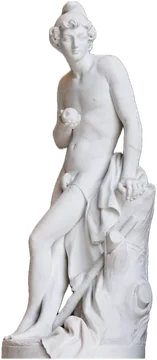
Son · Sources
when he is hungry; for greedily doth he devour it, even though swift dogs and lusty youths set upon him: even so was Menelaus glad when his eyes beheld godlike Alexander; for he thought that he had gotten him vengeance on the sinner. And forthwith he leapt in his armour from his chariot to the ground.
but to thy father and city and all the people a grievous bane—to thy foes a joy, but to thine own self a hanging down of the head? Wilt thou indeed not abide Menelaus, dear to Ares? Thou wouldest learn what manner of warrior he is whose lovely wife thou hast. Then will thy lyre help thee not, neither the gifts of Aphrodite,
and they lean upon their shields, and beside them their long spears are fixed. But Alexander and Menelaus, dear to Ares, will do battle with their long spears for thee; and whoso shall conquer, his dear wife shalt thou be called. So spake the goddess, and put into her heart sweet longing
Il. 3.28 · Il. 3.50 · Il. 3.136 · Il. 3.174 · Il. 3.253 · Il. 3.307 · Il. 4.96 · Il. 6.282–283 · Il. 6.512 · Il. 24.248–252
Son · Sources
sons twain of Priam; and a third was with them, the warrior Asius,—Asius son of Hyrtacus, whom his horses tawny and great had borne from Arisbe, from the river Selleïs. And of the fourth company the valiant son of Anchises was leader, even Aeneas, and with him were Antenor's two sons,
So saying, he aroused the strength and spirit of every man. Then among them with high heart strode Deïphobus, son of Priam, and before him he held his shield that was well-balanced upon every side, stepping forward lightly on his feet and advancing under cover of his shield. And Meriones aimed at him with his bright spear,
But for me, or ever mine eyes behold the city sacked and laid waste, may I go down into the house of Hades. He spake, and plying his staff went among the men, and they went forth from before the old man in his haste. Then called he aloud to his sons, chiding Helenus and Paris and goodly Agathonand Pammon and Antiphonus and Polites, good at the war-cry, and Deiphobus and Hippothous and lordly Dius. To these nine the old man called aloud, and gave command: Haste ye, base children that are my shame; would that ye all together in Hector's stead had been slain at the swift ships!
Il. 12.95 · Il. 13.156 · Il. 24.248–252
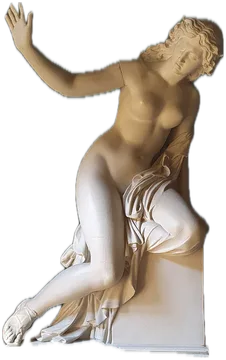
Daughter · Sources
and he asked in marriage the comeliest of the daughters of Priam, even Cassandra; he brought no gifts of wooing, but promised a mighty deed, that he would drive forth perforce out of Troy-land the sons of Achaeans. To him the old man Priam promised that he would give her, and bowed his head thereto, and Othryoneus fought, trusting in his promise.
Il. 13.365
Son · Sources
He spake, and shot another arrow from the string straight against Hector; and his heart was fain to smite him. Howbeit him he missed, but peerless Gorgythion he smote in the breast with his arrow, Priam's valiant son, that a mother wedded from Aesyme had born,
Il. 8.303
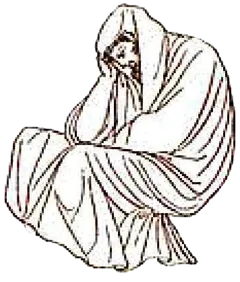
Son · Sources
had not the son of Priam, Helenus, far the best of augurs, come up to Aeneas and Hector, and said to them: Aeneas and Hector, seeing that upon you above all others rests the war-toil of Trojans and Lycians, for that in every undertaking ye are the best both in war and in counsel,
to do battle with him man to man in dread combat. So shall the bronze-greaved Achaeans have indignation and rouse some one to do battle in single combat against goodly Hector. So he spake, and the goddess, flashing-eyed Athene, failed not to hearken. And Helenus, the dear son of Priam, understood in spirit
sons twain of Priam; and a third was with them, the warrior Asius,—Asius son of Hyrtacus, whom his horses tawny and great had borne from Arisbe, from the river Selleïs. And of the fourth company the valiant son of Anchises was leader, even Aeneas, and with him were Antenor's two sons,
Il. 6.76 · Il. 7.44 · Il. 12.95 · Il. 24.248–252
Daughter · Sources
and he failed not to hearken to goodly Agamemnon. But Iris went as a messenger to white-armed Helen, in the likeness of her husband's sister, the wife of Antenor's son, even her that lord Helicaon, Antenor's son, had to wife, Laodice, the comeliest of the daughters of Priam.
Il. 3.124
Son · Sources
to face the son of Peleus, and he put into him great might: and he likened his own voice to that of Lycaon, son of Priam. In his likeness spake unto Aeneas the son of Zeus, Apollo: Aeneas, counsellor of the Trojans, where be now thy threats, wherewith thou wast wont to declare unto the princes of the Trojans over thy wine,
and bound their hands behind them with shapely thongs, which they themselves wore about their pliant tunics, and gave them to his comrades to lead to the hollow ships. Then himself he sprang back again, full eager to slay. There met he a son of Dardanian Priam
slay me not; since I am not sprung from the same womb as Hector, who slew thy comrade the kindly and valiant. So spake to him the glorious son of Priam with words of entreaty, but all ungentle was the voice he heard: Fool, tender not ransom to me, neither make harangue.
Il. 20.81 · Il. 21.34 · Il. 21.97 · Il. 22.47 · Il. 23.747
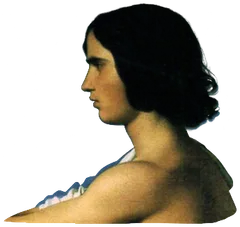
Son · Sources
And swift-footed Iris stood near and spake to them; and she made her voice like to that of Polites, son of Priam, who was wont to sit as a sentinel of the Trojans, trusting in his fleetness of foot, on the topmost part of the barrow of aged Aesyetes, awaiting until the Achaeans should sally forth from their ships.
But for me, or ever mine eyes behold the city sacked and laid waste, may I go down into the house of Hades. He spake, and plying his staff went among the men, and they went forth from before the old man in his haste. Then called he aloud to his sons, chiding Helenus and Paris and goodly Agathonand Pammon and Antiphonus and Polites, good at the war-cry, and Deiphobus and Hippothous and lordly Dius. To these nine the old man called aloud, and gave command: Haste ye, base children that are my shame; would that ye all together in Hector's stead had been slain at the swift ships!
Il. 2.791 · Il. 24.248–252

Son · Sources
for in such doth the Shaker of Earth delight; even so bellowed Hippodamas, as his lordly spirit left his bones. But Achilles with his spear went on after godlike Polydorus, son of Priam. Him would his father nowise suffer to fight, for that among his children he was the youngest born
slaying them and selling them into isles that hie afar. For even now there be twain of my sons, Lycaon and Polydorus, that I cannot see amid the Trojans that are gathered into the city, even they that Laothoe bare me, a princess among women. But if they be yet alive in the camp of the foe, then verily
Il. 20.408 · Il. 22.47
Son · Sources
cast with his sharp spear amid the throng. Him he missed, but smote in the groin Odysseus' goodly comrade, Leucus, as he was drawing the corpse to the other side; so he fell upon it, and the body slipped from his grasp. For his slaying waxed Odysseus mightily wroth at heart,
gleaming with their naked breasts, when he had stripped off their tunics, and went on to slay Isus and Antiphus, two sons of Priam, one a bastard and one born in wedlock, the twain being in one car: the bastard the reins, but glorious Antiphus stood by his side to fight. These twain had Achilles on a time
Il. 4.490 · Il. 11.101–102
Son · Sources
while with the other he grasped a stone, shining and jagged, that his hand compassed about. Firmly he planted himself, and hurled it, neither had he long awe of his foe, nor sped he his missile in vain, but smote the charioteer of Hector, even Cebriones, a bastard son of glorious Priam, upon the forehead with the sharp stone, as he was holding the reins of the horses.
Il. 16.739
Son · Sources
There Diomedes slew them, and bereft them of dear life, both the twain; but for the father he left lamentation and grievous sorrow, seeing they lived not for him to welcome them on their return; and the next of kin divided his goods. Then took he two sons of Priam, Dardanus' son,Echemmon and Chromius, the twain being in one car. Even as a lion leapeth among the kine and breaketh the neck of a heifer or a cow as they graze in a woodland pasture, so did Tydeus' son thrust both these in evil wise from their car, sorely against their will, and thereafter despoiled them of their armour;
Il. 5.159–160
Son · Sources
Описание карточки прямо называет его сыном Приама со ссылкой на позднюю традицию; сохранённая запись Wikidata Q15736237 подтверждает отцовство Приама. Это внешняя традиция, не стих «Илиады», и в подписи это указано.
Wikidata Q15736237 · Wikidata Q15736237, father statement (P22 → Priam); сохранённый снимок проектаSon · Sources
gleaming with their naked breasts, when he had stripped off their tunics, and went on to slay Isus and Antiphus, two sons of Priam, one a bastard and one born in wedlock, the twain being in one car: the bastard the reins, but glorious Antiphus stood by his side to fight. These twain had Achilles on a time
Il. 11.101–102
Daughter · Sources
And Teucer, son of Telamon, was first to slay his man, even the spearman Imbrius, the son of Mentor, rich in horses. He dwelt in Pedaeum before the sons of the Achaeans came, and had to wife a daughter of Priam that was born out of wedlock, even Medesicaste; but when the curved ships of the Danaans came
Il. 13.173
Son · Sources
Родство названо в самой карточке персонажа и подтверждено внешним источником; в извлечении из русского текста отдельной связи не было. Свидетельство источника: «Target: Deucalion, son of Priam. The register distinguishes Deucalion son of Minos, father of Idomeneus (W 558), from a separate Trojan Deucalion killed at S 5549. The Trojan Deucalion is distinct from Deucalion son of M»
Iliaden Register: Personen und Orte · Iliaden Register: Personen und OrteSon · Sources
and strode amid the foremost warriors, harnessed in flaming bronze; close to the foe he came and took his stand, and glancing warily about him hurled with his bright spear; and back did the Trojans shrink from the warrior as he cast. Not in vain did he let fly his spear, but smote Priam's bastard son Democoon,
Il. 4.499
Son · Sources
Родство названо в самой карточке персонажа и подтверждено внешним источником; в извлечении из русского текста отдельной связи не было. Свидетельство источника: «The line index places Priam's bastard Doryclus in Iliad 11.489; do not infer death from the verb describing his fall.»
Perseus/Scaife Homer, line index · Perseus/Scaife Homer, line indexSon · Sources
But for me, or ever mine eyes behold the city sacked and laid waste, may I go down into the house of Hades. He spake, and plying his staff went among the men, and they went forth from before the old man in his haste. Then called he aloud to his sons, chiding Helenus and Paris and goodly Agathonand Pammon and Antiphonus and Polites, good at the war-cry, and Deiphobus and Hippothous and lordly Dius. To these nine the old man called aloud, and gave command: Haste ye, base children that are my shame; would that ye all together in Hector's stead had been slain at the swift ships!
Il. 24.248–252
Son · Sources
Woe is me, that am all unblest, seeing that I begat sons the best in the broad land of Troy, yet of them I avow that not one is left, not godlike Mestor, not Troilus the warrior charioteer, not Hector that was a god among men, neither seemed he as the son of a mortal man, but of a god:
Il. 24.255–258
Son · Sources
But for me, or ever mine eyes behold the city sacked and laid waste, may I go down into the house of Hades. He spake, and plying his staff went among the men, and they went forth from before the old man in his haste. Then called he aloud to his sons, chiding Helenus and Paris and goodly Agathonand Pammon and Antiphonus and Polites, good at the war-cry, and Deiphobus and Hippothous and lordly Dius. To these nine the old man called aloud, and gave command: Haste ye, base children that are my shame; would that ye all together in Hector's stead had been slain at the swift ships!
Il. 24.248–252
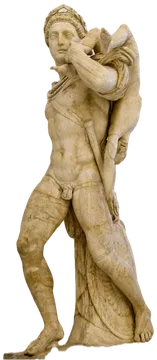
Son · Sources
Woe is me, that am all unblest, seeing that I begat sons the best in the broad land of Troy, yet of them I avow that not one is left, not godlike Mestor, not Troilus the warrior charioteer, not Hector that was a god among men, neither seemed he as the son of a mortal man, but of a god:
Il. 24.255–258
Son · Sources
But for me, or ever mine eyes behold the city sacked and laid waste, may I go down into the house of Hades. He spake, and plying his staff went among the men, and they went forth from before the old man in his haste. Then called he aloud to his sons, chiding Helenus and Paris and goodly Agathonand Pammon and Antiphonus and Polites, good at the war-cry, and Deiphobus and Hippothous and lordly Dius. To these nine the old man called aloud, and gave command: Haste ye, base children that are my shame; would that ye all together in Hector's stead had been slain at the swift ships!
Il. 24.248–252
Treated as a son · Sources
he returned back to Ilios, and was pre-eminent among the Trojans; and he dwelt in the house of Priam, who held him in like honour with his own children. Him did Hector chide, and spake and addressed him, saying: In good sooth, Melanippus, are we to be thus slack? Hath thine own heart no regard for thy kinsman that is slain?
Il. 15.551
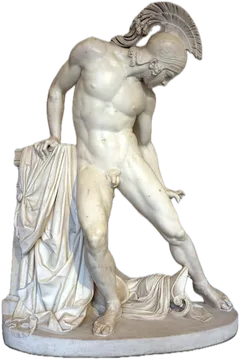
Connection · Sources
Стихи 24.485–502: Приам, «моля Ахиллеса», рассказывает о погибших сыновьях и говорит: «ради него прихожу к кораблям я ахейским / Выкупить тело его, и несу неисчислимый выкуп».
But Priam made entreaty, and spake to him, saying: Remember thy father, O Achilles like to the gods, whose years are even as mine, on the grievous threshold of old age. Him full likely the dwellers that be round about are entreating evilly, neither is there any to ward from him ruin and bane.Howbeit, while he heareth of thee as yet alive he hath joy at heart, and therewithal hopeth day by day that he shall see his dear son returning from Troy-land. But I—I am utterly unblest, seeing I begat sons the best in the broad land of Troy, yet of them I avow that not one is left.Fifty I had, when the sons of the Achaeans came; nineteen were born to me of the self-same womb, and the others women of the palace bare. Of these, many as they were, furious Ares hath loosed the knees, and he that alone was left me, that by himself guarded the city and the men,him thou slewest but now as he fought for his country, even Hector. For his sake am I now come to the ships of the Achaeans to win him back from thee, and I bear with me ransom past counting. Nay, have thou awe of the gods, Achilles, and take pity on me, remembering thine own father. Lo, I am more piteous far than he,
Il. 24.485–502
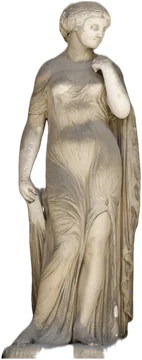
Connection · Sources
neither one so royal: he is like unto one that is a king. And Helen, fair among women, answered him, saying: Revered art thou in mine eyes, dear father of my husband, and dread. Would that evil death had been my pleasure when I followed thy son hither, and left my bridal chamber and my kinfolk
Il. 3.172
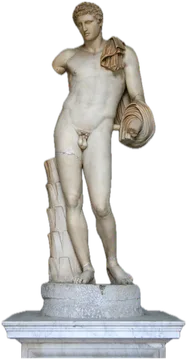
Patron · Sources
Описание прямо называет Гермеса спутником-хранителем Приама; 24.333–338: Зевс велит Гермесу тайно провести Приама к ахейским кораблям.
back then to Ilios turned his sons and his daughters' husbands; howbeit the twain were not unseen of Zeus, whose voice is borne afar, as they came forth upon the plain, but as he saw the old man he had pity, and forthwith spake to Hermes, his dear son: Hermes, seeing thou lovest above all others to companion a man,and thou givest ear to whomsoever thou art minded up, go and guide Priam unto the hollow ships of the Achaeans in such wise that no man may see him or be ware of him among all the Damans, until he be come to the son of Peleus. So spake he, and the messenger, Argeiphontes, failed not to hearken.
Il. 24.333–338
Connection · Sources
В стихах 13.171–176 Имбрий назван мужем «побочной Приамовой дочери» Медесикасты, и Приам «относился к нему, как к сыну»; описание прямо называет его мужем дочери Приама.
And Teucer, son of Telamon, was first to slay his man, even the spearman Imbrius, the son of Mentor, rich in horses. He dwelt in Pedaeum before the sons of the Achaeans came, and had to wife a daughter of Priam that was born out of wedlock, even Medesicaste; but when the curved ships of the Danaans camehe returned back to Ilios and was pre-eminent among the Trojans, and he dwelt in the house of Priam, who held him in like honour with his own children. Him did the son of Telamon smite beneath the ear with a thrust of his long spear, and again drew forth the spear; and he fell like an ash-tree that, on the summit of a mountain that is seen from afar on every side,
Il. 13.171–176
Herald · Sources
Описание прямо называет Идея вестником Приама; сохранённый снимок Perseus (Ил. 3.247; 7.276–405) подтверждает, что Идей действует как посланец Приама.
Perseus Digital Library: Homer, Iliad · Perseus Digital Library: Homer, Iliad (снимок по Ил. 3.247; 7.276–405)Ally · Sources
Стихи 3.184–189 прямо называют Приама союзником фригийцев Мигдона и Отрея в войне с амазонками.
And he was husband's brother to shameless me, as sure as ever such a one there was. So spake she, and the old man was seized with wonder, and said: Ah, happy son of Atreus, child of fortune, blest of heaven; now see I that youths of the Achaeans full many are made subject unto thee. Ere now have I journeyed to the land of Phrygia, rich in vines,and there I saw in multitudes the Phrygian warriors, masters of glancing steeds, even the people of Otreus and godlike Mygdon, that were then encamped along the banks of Sangarius. For I, too, being their ally, was numbered among them on the day when the Amazons came, the peers of men.
Il. 3.184–189
Ally · Sources
The direct Book 2 mention is in the Mysian contingent; Kline explicitly identifies this Chromis as a Mysian ally of the Trojans.
A. S. Kline, The Iliad: Character Index · Index: Chromis, Mysian ally of the Trojans; Iliad II entry (local text 2.858)In art

Jérôme-Martin Langlois. Priam at the feet of Achilles. Beaux-Arts de Paris. Public domain. https://www.wikidata.org/wiki/Q116730347
Photograph / reproduction: VladoubidoOo
Photograph / reproduction date: 2013-12-22
Jérôme-Martin Langlois. Priam at the feet of Achilles. Beaux-Arts de Paris. Public domain. https://www.wikidata.org/wiki/Q116730347
Photograph / reproduction: VladoubidoOo
Photograph / reproduction date: 2013-12-22

Alexander von Nothbeck. Приам испрашивает у Ахиллеса тело Гектора. Scientific-research Museum of the Russian Academy of Arts. Public domain. https://www.wikidata.org/wiki/Q124518042
Photograph / reproduction: Attributed to Alexander von Nothbeck
Photograph / reproduction date: 1824
Alexander von Nothbeck. Приам испрашивает у Ахиллеса тело Гектора. Scientific-research Museum of the Russian Academy of Arts. Public domain. https://www.wikidata.org/wiki/Q124518042
Photograph / reproduction: Attributed to Alexander von Nothbeck
Photograph / reproduction date: 1824

Jules Bastien-Lepage. Priam at Achilles feet. Palais des Beaux-Arts de Lille. Public domain. https://www.wikidata.org/wiki/Q72824218
Jules Bastien-Lepage. Priam at Achilles feet. Palais des Beaux-Arts de Lille. Public domain. https://www.wikidata.org/wiki/Q72824218

Léon Bazille Perrault. The death of Priam. Beaux-Arts de Paris. Public domain. https://www.wikidata.org/wiki/Q104175800
Léon Bazille Perrault. The death of Priam. Beaux-Arts de Paris. Public domain. https://www.wikidata.org/wiki/Q104175800

Jean-Baptiste Regnault. The Death of Priam. Musée de Picardie. Public domain. https://www.wikidata.org/wiki/Q114918963
Jean-Baptiste Regnault. The Death of Priam. Musée de Picardie. Public domain. https://www.wikidata.org/wiki/Q114918963

Jules Lefebvre. The Death of Priam. Beaux-Arts de Paris. Public domain. https://www.wikidata.org/wiki/Q17613629
Jules Lefebvre. The Death of Priam. Beaux-Arts de Paris. Public domain. https://www.wikidata.org/wiki/Q17613629

Alexander Ivanov. Приам, испрашивающий у Ахиллеса тело Гектора. Tretyakov Gallery. Public domain. https://www.wikidata.org/wiki/Q11827166
Alexander Ivanov. Приам, испрашивающий у Ахиллеса тело Гектора. Tretyakov Gallery. Public domain. https://www.wikidata.org/wiki/Q11827166
See all 16
Sources and verification
The character is matched to the catalogue.
- Wikipedia · Priam · CC BY-SA 4.0
Excerpt; remaining sentences omitted.
Reference material remains distinct from the poem’s assertions. Characters who share a name retain separate pages.