Troilus
Mortal man
Troilus (English: or ; Ancient Greek: Τρωΐλος, romanized: Troïlos; Latin: Troilus) is a legendary character associated with the story of the Trojan War. The first surviving reference to him is in Homer's Iliad, composed in the late 8th century BC.
Explore on the graph- Mentions
- 1
- Connected characters
- 27
- Books
- 1


Mentions in the Iliad
A. T. Murray, Loeb Classical Library, Harvard University Press, 1924 · Homer, Iliad with an English Translation · CC BY-SA 3.0 US
“Woe is me, that am all unblest, seeing that I begat sons the best in the broad land of Troy, yet of them I avow that not one is left, not godlike Mestor, not Troilus the warrior charioteer, not Hector that was a god among men, neither seemed he as the son of a mortal man, but of a god:”
See all 1
Connections
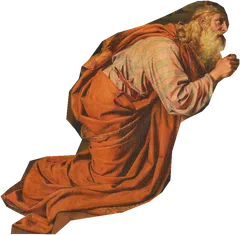
Father · Sources
Woe is me, that am all unblest, seeing that I begat sons the best in the broad land of Troy, yet of them I avow that not one is left, not godlike Mestor, not Troilus the warrior charioteer, not Hector that was a god among men, neither seemed he as the son of a mortal man, but of a god:
Il. 24.255–258
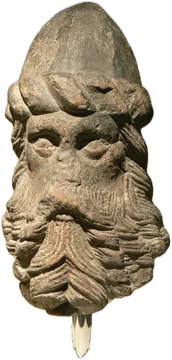
Brother through father · Sources
Братство или сестринство выведено из общего родителя: Приам. Матери и отцы, не указанные в источнике, не предполагаются. Квалификация братства/сестринства: Илиада: Общий отец подтверждён; сведения о матерях неполны. Различие матерей не установлено. Общие родители: Приам.
Wikidata: Гекуба — роль родителя · P25 Wikidata: Приам — роль родителя · P22 Wikidata: Приам — пол родителя · P21There on this day did the Trojans and their allies separate their companies. The Trojans were led by great Hector of the flashing helm, the son of Priam, and with him were marshalled the greatest hosts by far and the goodliest, raging with the spear. Of the Dardanians again the valiant son of Anchises was captain,
So spake the godlike man, and let place the lambs in his chariot, and himself mounted, and drew back the reins, and by his side Antenor mounted the beauteous car; and the twain departed back to Ilios. But Hector, Priam's son, and goodly Odysseus
neither turned them to make for the black ships, nor yet could they hold out in fight, but they ever gave ground backward, when they heard that Ares was amid the Trojans. Who then was first to be slain and who last by Hector, Priam's son, and brazen Ares?
Il. 2.817 · Il. 3.314 · Il. 5.704 · Il. 6.446–449 · Il. 7.47 · Il. 7.112 · Il. 7.253 · Il. 8.215 · Il. 8.356 · Il. 9.651 · Il. 11.197 · Il. 11.300 · Il. 12.437 · Il. 13.40 · Il. 13.80 · Il. 13.316 · Il. 15.239 · Il. 15.603 · Il. 17.449 · Il. 17.503 · Il. 18.154 · Il. 18.164 · Il. 18.334 · Il. 19.204 · Il. 20.77 · Il. 20.240 · Il. 20.440 · Il. 22.34 · Il. 22.59–60 · Il. 22.90 · Il. 22.226 · Il. 22.341–352 · Il. 22.408 · Il. 22.428 · Il. 22.478 · Il. 24.37 · Il. 24.58 · Il. 24.118 · Il. 24.146 · Il. 24.195 · Il. 24.226 · Il. 24.255–258 · Il. 24.385 · Il. 24.425 · Il. 24.493–501 · Il. 24.510 · Il. 24.577–585 · Il. 24.599 · Il. 24.638–639 · Il. 24.660 · Il. 24.685 · Il. 24.700–703
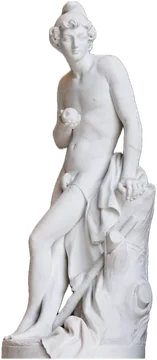
Brother through father · Sources
Братство или сестринство выведено из общего родителя: Приам. Матери и отцы, не указанные в источнике, не предполагаются. Квалификация братства/сестринства: Илиада: Общий отец подтверждён; сведения о матерях неполны. Различие матерей не установлено. Общие родители: Приам.
Wikidata: Гекуба — роль родителя · P25 Wikidata: Приам — роль родителя · P22 Wikidata: Приам — пол родителя · P21when he is hungry; for greedily doth he devour it, even though swift dogs and lusty youths set upon him: even so was Menelaus glad when his eyes beheld godlike Alexander; for he thought that he had gotten him vengeance on the sinner. And forthwith he leapt in his armour from his chariot to the ground.
but to thy father and city and all the people a grievous bane—to thy foes a joy, but to thine own self a hanging down of the head? Wilt thou indeed not abide Menelaus, dear to Ares? Thou wouldest learn what manner of warrior he is whose lovely wife thou hast. Then will thy lyre help thee not, neither the gifts of Aphrodite,
and they lean upon their shields, and beside them their long spears are fixed. But Alexander and Menelaus, dear to Ares, will do battle with their long spears for thee; and whoso shall conquer, his dear wife shalt thou be called. So spake the goddess, and put into her heart sweet longing
Il. 3.28 · Il. 3.50 · Il. 3.136 · Il. 3.174 · Il. 3.253 · Il. 3.307 · Il. 4.96 · Il. 6.282–283 · Il. 6.512 · Il. 24.248–252 · Il. 24.255–258
Brother through father · Sources
Братство или сестринство выведено из общего родителя: Приам. Матери и отцы, не указанные в источнике, не предполагаются. Квалификация братства/сестринства: Илиада: Общий отец подтверждён; сведения о матерях неполны. Различие матерей не установлено. Общие родители: Приам.
Wikidata: Гекуба — роль родителя · P25 Wikidata: Приам — роль родителя · P22 Wikidata: Приам — пол родителя · P21sons twain of Priam; and a third was with them, the warrior Asius,—Asius son of Hyrtacus, whom his horses tawny and great had borne from Arisbe, from the river Selleïs. And of the fourth company the valiant son of Anchises was leader, even Aeneas, and with him were Antenor's two sons,
So saying, he aroused the strength and spirit of every man. Then among them with high heart strode Deïphobus, son of Priam, and before him he held his shield that was well-balanced upon every side, stepping forward lightly on his feet and advancing under cover of his shield. And Meriones aimed at him with his bright spear,
But for me, or ever mine eyes behold the city sacked and laid waste, may I go down into the house of Hades. He spake, and plying his staff went among the men, and they went forth from before the old man in his haste. Then called he aloud to his sons, chiding Helenus and Paris and goodly Agathonand Pammon and Antiphonus and Polites, good at the war-cry, and Deiphobus and Hippothous and lordly Dius. To these nine the old man called aloud, and gave command: Haste ye, base children that are my shame; would that ye all together in Hector's stead had been slain at the swift ships!
Il. 12.95 · Il. 13.156 · Il. 24.248–252 · Il. 24.255–258
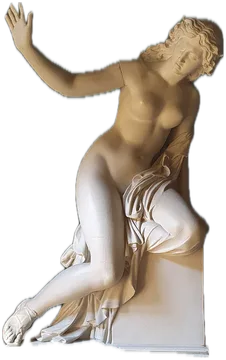
Sister through father · Sources
Братство или сестринство выведено из общего родителя: Приам. Матери и отцы, не указанные в источнике, не предполагаются. Квалификация братства/сестринства: Илиада: Общий отец подтверждён; сведения о матерях неполны. Различие матерей не установлено. Общие родители: Приам.
Wikidata: Приам — пол родителя · P21and he asked in marriage the comeliest of the daughters of Priam, even Cassandra; he brought no gifts of wooing, but promised a mighty deed, that he would drive forth perforce out of Troy-land the sons of Achaeans. To him the old man Priam promised that he would give her, and bowed his head thereto, and Othryoneus fought, trusting in his promise.
Woe is me, that am all unblest, seeing that I begat sons the best in the broad land of Troy, yet of them I avow that not one is left, not godlike Mestor, not Troilus the warrior charioteer, not Hector that was a god among men, neither seemed he as the son of a mortal man, but of a god:
Il. 13.365 · Il. 24.255–258
Brother through father · Sources
Братство или сестринство выведено из общего родителя: Приам. Матери и отцы, не указанные в источнике, не предполагаются. Квалификация братства/сестринства: Илиада: Общий отец подтверждён; сведения о матерях неполны. Различие матерей не установлено. Общие родители: Приам.
Wikidata: Приам — пол родителя · P21He spake, and shot another arrow from the string straight against Hector; and his heart was fain to smite him. Howbeit him he missed, but peerless Gorgythion he smote in the breast with his arrow, Priam's valiant son, that a mother wedded from Aesyme had born,
Woe is me, that am all unblest, seeing that I begat sons the best in the broad land of Troy, yet of them I avow that not one is left, not godlike Mestor, not Troilus the warrior charioteer, not Hector that was a god among men, neither seemed he as the son of a mortal man, but of a god:
Il. 8.303 · Il. 24.255–258
Brother through father · Sources
Братство или сестринство выведено из общего родителя: Приам. Матери и отцы, не указанные в источнике, не предполагаются. Квалификация братства/сестринства: Илиада: Общий отец подтверждён; сведения о матерях неполны. Различие матерей не установлено. Общие родители: Приам.
Wikidata: Гекуба — роль родителя · P25 Wikidata: Приам — роль родителя · P22 Wikidata: Приам — пол родителя · P21had not the son of Priam, Helenus, far the best of augurs, come up to Aeneas and Hector, and said to them: Aeneas and Hector, seeing that upon you above all others rests the war-toil of Trojans and Lycians, for that in every undertaking ye are the best both in war and in counsel,
to do battle with him man to man in dread combat. So shall the bronze-greaved Achaeans have indignation and rouse some one to do battle in single combat against goodly Hector. So he spake, and the goddess, flashing-eyed Athene, failed not to hearken. And Helenus, the dear son of Priam, understood in spirit
sons twain of Priam; and a third was with them, the warrior Asius,—Asius son of Hyrtacus, whom his horses tawny and great had borne from Arisbe, from the river Selleïs. And of the fourth company the valiant son of Anchises was leader, even Aeneas, and with him were Antenor's two sons,
Il. 6.76 · Il. 7.44 · Il. 12.95 · Il. 24.248–252 · Il. 24.255–258
See all 27
In art

Maestro di San Martino a Mensola. Louvre RF 2089. Department of Paintings of the Louvre. Public domain. https://www.wikidata.org/wiki/Q29651351
Maestro di San Martino a Mensola. Louvre RF 2089. Department of Paintings of the Louvre. Public domain. https://www.wikidata.org/wiki/Q29651351

Stamnos Fould - Musée du Louvre AGER CA 6529. Department of Greek, Etruscan, and Roman Antiquities of the Louvre. CC0. https://www.wikidata.org/wiki/Q122278012
Stamnos Fould - Musée du Louvre AGER CA 6529. Department of Greek, Etruscan, and Roman Antiquities of the Louvre. CC0. https://www.wikidata.org/wiki/Q122278012

Titios Painter. Etruscan amphora showing Troilos. Ure Museum of Greek Archaeology. CC BY-SA 4.0. https://www.wikidata.org/wiki/Q67291369
Titios Painter. Etruscan amphora showing Troilos. Ure Museum of Greek Archaeology. CC BY-SA 4.0. https://www.wikidata.org/wiki/Q67291369

Amphore à col avec décor d'Achille et Troilos et scène dionysiaque - Musée du Louvre AGER NIII 392 ; S 1118 ; E 703. Department of Greek, Etruscan, and Roman Antiquities of the Louvre. CC0. https://www.wikidata.org/wiki/Q119953262
Amphore à col avec décor d'Achille et Troilos et scène dionysiaque - Musée du Louvre AGER NIII 392 ; S 1118 ; E 703. Department of Greek, Etruscan, and Roman Antiquities of the Louvre. CC0. https://www.wikidata.org/wiki/Q119953262

Achilles and Troilus Farnese (Naples). CC BY 2.5. https://www.wikidata.org/wiki/Q3732454
Achilles and Troilus Farnese (Naples). CC BY 2.5. https://www.wikidata.org/wiki/Q3732454

Hoppin Painter. Volute krater, Hoppin Painter. National Archaeological Museum of Taranto. CC BY-SA 4.0. https://www.wikidata.org/wiki/Q69333409
Hoppin Painter. Volute krater, Hoppin Painter. National Archaeological Museum of Taranto. CC BY-SA 4.0. https://www.wikidata.org/wiki/Q69333409
See all 6
Sources and verification
The character is matched to the catalogue.
- Wikipedia · Troilus · CC BY-SA 4.0
Excerpt; remaining sentences omitted.
Reference material remains distinct from the poem’s assertions. Characters who share a name retain separate pages.