Phoenix
Mortal man
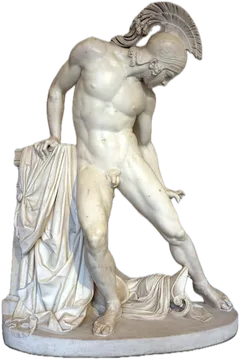
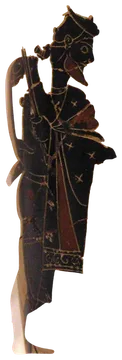
In Greek mythology, Phoenix (Ancient Greek: Φοῖνιξ Phoinix, gen. Φοίνικος Phoinikos) was the son of king Amyntor. Because of a dispute with his father, Phoenix fled to Phthia, where he became king of the Dolopians, and tutor of the young Achilles, whom he accompanied to the Trojan War.
Explore on the graph- Mentions
- 17
- Connected characters
- 3
- Books
- 5


Mentions in the Iliad
A. T. Murray, Loeb Classical Library, Harvard University Press, 1924 · Homer, Iliad with an English Translation · CC BY-SA 3.0 US
“Come, therefore, let us send forth chosen men to go forthwith to the hut of Peleus' son, Achilles. Nay, rather, whomsoever I shall choose, let them consent. First of all let Phoenix, dear to Zeus, lead the way, and after him great Aias and goodly Odysseus;”
“and Patroclus cast burnt-offering into the fire. So they put forth their hands to the good cheer lying ready before them. But when they had put from them the desire of food and drink, Aias nodded to Phoenix; and goodly Odysseus was ware thereof, and filling a cup with wine he pledged Achilles:”
“beside the hollow ships; seeing this is not to be had for them, which now they have devised, by reason of the fierceness of my anger. Howbeit let Phoenix abide here with us, and lay him down to sleep, that he may follow with me on my ships to my dear native land on the morrow, if so he will; but perforce will I not take him.”
“So spake he, and they all became hushed in silence, marveling at his words; for with exceeding vehemence did he deny them. But at length there spake among them the old horseman Phoenix, bursting into tears, for that greatly did he fear for the ships of the Achaeans: If verily thou layest up in thy mind, glorious Achilles,”
“whom himself he ever cherished, and scorned his wife, my mother. So she besought me by my knees continually, to have dalliance with that other first myself, that the old man might be hateful in her eyes. I hearkened to her and did the deed, but my father was ware thereof forthwith and cursed me mightily, and invoked the dire Erinyes”
“For nine nights' space about mine own body did they watch the night through; in turn kept they watch, neither were the fires quenched, one beneath the portico of the well-fenced court, and one in the porch before the door of my chamber. Howbeit when the tenth dark night was come upon me,”
“Full often hast thou wetted the tunic upon my breast, sputtering forth the wine in thy sorry helplessness. So have I suffered much for thee and toiled much, ever mindful of this that the gods would in no wise vouchsafe me a son born of mine own body. Nay. it was thou that I sought to make my son, O godlike Achilles,”
See all 17
Connections
Father · Sources
to be left alone without thee, nay, not though a god himself should pledge him to strip from me my old age and render me strong in youth as in the day when first I left Hellas, the home of fair women, fleeing from strife with my father Amyntor, son of Ormenus; for he waxed grievously wroth against me by reason of his fair-haired concubine,
whom himself he ever cherished, and scorned his wife, my mother. So she besought me by my knees continually, to have dalliance with that other first myself, that the old man might be hateful in her eyes. I hearkened to her and did the deed, but my father was ware thereof forthwith and cursed me mightily, and invoked the dire Erinyes
Il. 9.448 · Il. 9.453
Foster-son · Sources
And I reared thee to be such as thou art, O godlike Achilles, loving thee from may heart; for with none other wouldest thou go to the feast neither take meat in the hall, till I had set thee on my knees and given thee thy fill of the savoury morsel cut first for thee, and had put the wine cup to thy lips.
Full often hast thou wetted the tunic upon my breast, sputtering forth the wine in thy sorry helplessness. So have I suffered much for thee and toiled much, ever mindful of this that the gods would in no wise vouchsafe me a son born of mine own body. Nay. it was thou that I sought to make my son, O godlike Achilles,to the end that thou mayest hereafter save me from shameful ruin. Wherefore Achilles, do thou master thy proud spirit; it beseemeth thee not to have a pitiless heart. Nay, even the very gods can bend, and theirs withal is more excellent worth and honour and might. Their hearts by incense and reverent vows
Il. 9.485–489 · Il. 9.490–495
Poetic kinship · Sources
Full often hast thou wetted the tunic upon my breast, sputtering forth the wine in thy sorry helplessness. So have I suffered much for thee and toiled much, ever mindful of this that the gods would in no wise vouchsafe me a son born of mine own body. Nay. it was thou that I sought to make my son, O godlike Achilles,to the end that thou mayest hereafter save me from shameful ruin. Wherefore Achilles, do thou master thy proud spirit; it beseemeth thee not to have a pitiless heart. Nay, even the very gods can bend, and theirs withal is more excellent worth and honour and might. Their hearts by incense and reverent vows
Il. 9.493–495
Friend · Sources
abideth in my breast and my knees are quick. And another thing will I tell thee, and do thou lay it to heart; seek not to confound my spirit by weeping and sorrowing, to do the pleasure of the warrior, son of Atreus; it beseemeth thee not to cherish him, lest thou be hated of me that cherish thee.Well were it that with me thou shouldest vex him whosoever vexeth me. Be thou king even as I am, and share the half of my honour. Howbeit these shall bear my message, but abide thou here and lay thee down on a soft couch, and at break of day we will take counsel whether to return to our own or to tarry here.
Il. 9.614–616
Poetic kinship · Sources
unto king Peleus; and he received me with a ready heart, and cherished me as a father cherisheth his only son and well-beloved, that is heir to great possessions; and he made me rich and gave much people to me, and I dwelt on the furthermost border of Phthia, ruling over the Dolopians.
Il. 9.480–482
Friend · Sources
godlike Phoenix, his father's follower, that he might mark the running and tell the truth thereof. Then they all at one moment lifted the lash each above his yoke of horses, and smote them with the reins, and called to them with words, full eagerly and forthwith they sped swiftly over the plain
Il. 23.360
See all 3
In art
See all 0
There is nothing in this section yet.
Sources and verification
The character is matched to the catalogue.
- Wikipedia · Phoenix (son of Amyntor) · CC BY-SA 4.0
Excerpt; remaining sentences omitted.
Wikidata Q1061747 (matched via ruwiki 'Феникс (сын Аминтора)')
Reference material remains distinct from the poem’s assertions. Characters who share a name retain separate pages.