Zephyrus
God
In Greek mythology and religion, Zephyrus () (Ancient Greek: Ζέφυρος, romanized: Zéphuros, lit. 'westerly wind'), also spelled in English as Zephyr (), is the god and personification of the West wind, one of the several wind gods, the Anemoi. The son of Eos (the goddess of the dawn) and Astraeus, Zephyrus is the most gentle and favourable of the winds, associated with flowers, springtime and even procreation.
Explore on the graph- Mentions
- 8
- Connected characters
- 6
- Books
- 8


Mentions in the Iliad
A. T. Murray, Loeb Classical Library, Harvard University Press, 1924 · Homer, Iliad with an English Translation · CC BY-SA 3.0 US
“and terribly rang the bronze upon the breast of the prince as he moved; thereat might terror have seized even one that was steadfast of heart. As when on a sounding beach the swell of the sea beats, wave after wave, before the driving of the West Wind; out on the deep at the first is it gathered in a crest, but thereafter”
“upon the lofty oak of father Zeus that beareth the aegis, rejoicing in the warriors; and the ranks of these sat close, bristling with shields and helms and spears. Even as there is spread over the face of the deep the ripple of the West Wind, that is newly risen, and the deep groweth black beneath it,”
“the North Wind and the West Wind that blow from Thrace, coming suddenly, and forthwith the dark wave reareth itself in crests and casteth much tangle out along the sea; even so were the hearts of the Achaeans rent within their breasts. But the son of Atreus, stricken to the heart with sore grief,”
“and even as when the West Wind driveth the clouds of the white South Wind, smiting them with a violent squall, and many a swollen wave rolleth onward, and on high the spray is scattered beneath the blast of the wandering wind; even so many heads of the host were laid low by Hector.”
“that the Harpy Podarge conceived to the West Wind, as she grazed on the meadow beside the stream of Oceanus. And in the side-traces he set the goodly Pedasus that on a time Achilles had brought away, when he took the city of Eetion; and he, being but mortal, kept pace with immortal steeds.”
“But for us twain, we could run swift as the blast of the West Wind, which, men say, is of all winds the fleetest; nay, it is thine own self that art fated to be slain in fight by a god and a mortal. When he had thus spoken, the Erinyes checked his voice. Then, his heart mightily stirred, spake to him swift-footed Achilles:”
“And forthwith she spake unto Hephaestus, her dear son: Rouse thee, Crook-foot, my child! for it was against thee that we deemed eddying Xanthus to be matched in fight. Nay, bear thou aid with speed, and put forth thy flames unstintedly.”
See all 8
“to the North Wind and the West Wind, and promised fair offerings, and full earnestly, as he poured libations from a cup of gold, he besought them to come, to the end that the corpses might speedily blaze with fire, and the wood make haste to be kindled. Then forthwith Iris heard his prayer, and hied her with the message to the winds.”
Connections
Mother · Sources
16.148–151: Подарга родила Ксанфа и Балия Зефиру; кони принадлежат Ахиллесу, «возлюбленная» в стихе не названа.
And the horses he bade Automedon yoke speedily, even him that he honoured most after Achilles, breaker of the ranks of men, and that in his eyes was faithful above all to abide his call in battle. At his bidding then Automedon led beneath the yoke the fleet horses, Xanthus and Balius, that flew swift as the winds, horsesthat the Harpy Podarge conceived to the West Wind, as she grazed on the meadow beside the stream of Oceanus. And in the side-traces he set the goodly Pedasus that on a time Achilles had brought away, when he took the city of Eetion; and he, being but mortal, kept pace with immortal steeds.
Il. 16.148–151
Son · Sources
that the Harpy Podarge conceived to the West Wind, as she grazed on the meadow beside the stream of Oceanus. And in the side-traces he set the goodly Pedasus that on a time Achilles had brought away, when he took the city of Eetion; and he, being but mortal, kept pace with immortal steeds.
Il. 16.150–151
Brother through mother · Sources
Братство или сестринство выведено из общего родителя: Подарга. Матери и отцы, не указанные в источнике, не предполагаются. Квалификация братства/сестринства: Илиада: Общая мать подтверждена; сведения об отцах неполны. Различие отцов не установлено. Общие родители: Подарга (гарпия, мать коней Ахилла).
Гомер, Илиада — роль родителя · Ил. 16.149–151And the horses he bade Automedon yoke speedily, even him that he honoured most after Achilles, breaker of the ranks of men, and that in his eyes was faithful above all to abide his call in battle. At his bidding then Automedon led beneath the yoke the fleet horses, Xanthus and Balius, that flew swift as the winds, horsesthat the Harpy Podarge conceived to the West Wind, as she grazed on the meadow beside the stream of Oceanus. And in the side-traces he set the goodly Pedasus that on a time Achilles had brought away, when he took the city of Eetion; and he, being but mortal, kept pace with immortal steeds.
that the Harpy Podarge conceived to the West Wind, as she grazed on the meadow beside the stream of Oceanus. And in the side-traces he set the goodly Pedasus that on a time Achilles had brought away, when he took the city of Eetion; and he, being but mortal, kept pace with immortal steeds.
Xanthus and Balius, ye far-famed children of Podarge, in some other wise bethink you to bring your charioteer back safe to the host of the Danaans, when we have had our fill of war, and leave ye not him there dead, as ye did Patroclus. Then from beneath the yoke spake to him the horse Xanthus, of the swift-glancing feet;
Il. 16.148–151 · Il. 16.150–151 · Il. 19.400
Son · Sources
Ил. 16.149–151 прямо называет Балия и Ксанфа детьми Подарги и Зефира; Ил. 19.400 повторяет материнство Подарги.
Илиада 16.149–151; 19.400 — Балий · Iliad 16.149–151; 19.400And the horses he bade Automedon yoke speedily, even him that he honoured most after Achilles, breaker of the ranks of men, and that in his eyes was faithful above all to abide his call in battle. At his bidding then Automedon led beneath the yoke the fleet horses, Xanthus and Balius, that flew swift as the winds, horsesthat the Harpy Podarge conceived to the West Wind, as she grazed on the meadow beside the stream of Oceanus. And in the side-traces he set the goodly Pedasus that on a time Achilles had brought away, when he took the city of Eetion; and he, being but mortal, kept pace with immortal steeds.
Il. 16.149–151
Brother through mother · Sources
Братство или сестринство выведено из общего родителя: Подарга. Матери и отцы, не указанные в источнике, не предполагаются. Квалификация братства/сестринства: Илиада: Общая мать подтверждена; сведения об отцах неполны. Различие отцов не установлено. Общие родители: Подарга (гарпия, мать коней Ахилла).
Илиада 16.149–151; 19.400 — Балий · Iliad 16.149–151; 19.400 Гомер, Илиада — роль родителя · Ил. 16.149–151And the horses he bade Automedon yoke speedily, even him that he honoured most after Achilles, breaker of the ranks of men, and that in his eyes was faithful above all to abide his call in battle. At his bidding then Automedon led beneath the yoke the fleet horses, Xanthus and Balius, that flew swift as the winds, horsesthat the Harpy Podarge conceived to the West Wind, as she grazed on the meadow beside the stream of Oceanus. And in the side-traces he set the goodly Pedasus that on a time Achilles had brought away, when he took the city of Eetion; and he, being but mortal, kept pace with immortal steeds.
And the horses he bade Automedon yoke speedily, even him that he honoured most after Achilles, breaker of the ranks of men, and that in his eyes was faithful above all to abide his call in battle. At his bidding then Automedon led beneath the yoke the fleet horses, Xanthus and Balius, that flew swift as the winds, horsesthat the Harpy Podarge conceived to the West Wind, as she grazed on the meadow beside the stream of Oceanus. And in the side-traces he set the goodly Pedasus that on a time Achilles had brought away, when he took the city of Eetion; and he, being but mortal, kept pace with immortal steeds.
Il. 16.148–151 · Il. 16.149–151
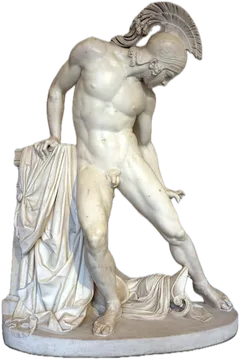
Connection · Sources
В 23.208–209 Ахиллес просит Зефира с Бореем прилететь и раздуть огонь, а в 23.212–216 ветры прилетают и вздувают пламя; связь прямо названа.
I may not sit, for I must go back unto the streams of Oceanus, unto the land of the Ethiopians, where they are sacrificing hecatombs to the immortals, that I too may share in the sacred feast. But Achilles prayeth the North Wind and the noisy West Wind to come, and promiseth them fair offerings, that so ye may rouse the pyre to burn whereon liethPatroclus, for whom all the Achaeans groan aloud. When she had thus departed, and they arose with a wondrous din, driving the clouds tumultuously before them. And swiftly they came to the sea to blow thereon, and the wave swelledbeneath the shrill blast; and they came to deep-soiled Troyland, and fell upon the pyre, and mightily roared the wordrous blazing fire. So the whole night long as with one blast they beat upon the flame of the pyre, blowing shrill; and the whole night long swift Achilles, taking a two-handled cup in hand,
Il. 23.208–216
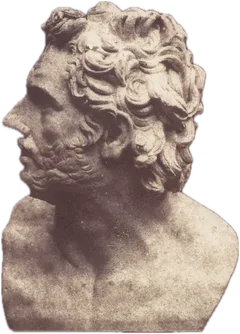
Connection · Sources
В стихах 23.208–217 Зефира с Бореем просят раздуть огонь костра, на котором лежит мёртвый Патрокл, и ветры ударяют в сруб, взвивая пламя; описание прямо называет раздувание костра Патрокла.
I may not sit, for I must go back unto the streams of Oceanus, unto the land of the Ethiopians, where they are sacrificing hecatombs to the immortals, that I too may share in the sacred feast. But Achilles prayeth the North Wind and the noisy West Wind to come, and promiseth them fair offerings, that so ye may rouse the pyre to burn whereon liethPatroclus, for whom all the Achaeans groan aloud. When she had thus departed, and they arose with a wondrous din, driving the clouds tumultuously before them. And swiftly they came to the sea to blow thereon, and the wave swelledbeneath the shrill blast; and they came to deep-soiled Troyland, and fell upon the pyre, and mightily roared the wordrous blazing fire. So the whole night long as with one blast they beat upon the flame of the pyre, blowing shrill; and the whole night long swift Achilles, taking a two-handled cup in hand,
Il. 23.208–217
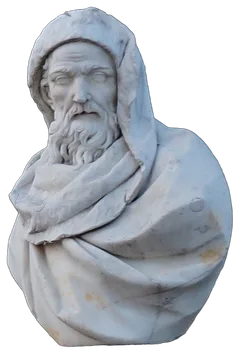
Ally · Sources
23.208–217: Зефир и Борей прилетают на молитву Ахиллеса и вместе раздувают погребальный костёр.
I may not sit, for I must go back unto the streams of Oceanus, unto the land of the Ethiopians, where they are sacrificing hecatombs to the immortals, that I too may share in the sacred feast. But Achilles prayeth the North Wind and the noisy West Wind to come, and promiseth them fair offerings, that so ye may rouse the pyre to burn whereon liethPatroclus, for whom all the Achaeans groan aloud. When she had thus departed, and they arose with a wondrous din, driving the clouds tumultuously before them. And swiftly they came to the sea to blow thereon, and the wave swelledbeneath the shrill blast; and they came to deep-soiled Troyland, and fell upon the pyre, and mightily roared the wordrous blazing fire. So the whole night long as with one blast they beat upon the flame of the pyre, blowing shrill; and the whole night long swift Achilles, taking a two-handled cup in hand,
Il. 23.208–217
See all 6
In art

Eugène Faure. Eugène Faure - La source. Museum of Grenoble. CC BY-SA 4.0. https://www.wikidata.org/wiki/Q101094197
Eugène Faure. Eugène Faure - La source. Museum of Grenoble. CC BY-SA 4.0. https://www.wikidata.org/wiki/Q101094197

Sandro Botticelli. Рождение Венеры. Uffizi Gallery. Public domain. https://www.wikidata.org/wiki/Q151047
Sandro Botticelli. Рождение Венеры. Uffizi Gallery. Public domain. https://www.wikidata.org/wiki/Q151047

Luca Giordano. Psyche Exposed on a Rock. Royal Collection. Public domain. https://www.wikidata.org/wiki/Q28022550
Luca Giordano. Psyche Exposed on a Rock. Royal Collection. Public domain. https://www.wikidata.org/wiki/Q28022550

Pierre-Paul Prud'hon. Young Zephyrus balancing above water. Department of Paintings of the Louvre. Public domain. https://www.wikidata.org/wiki/Q29840550
Pierre-Paul Prud'hon. Young Zephyrus balancing above water. Department of Paintings of the Louvre. Public domain. https://www.wikidata.org/wiki/Q29840550

Pierre-Paul Prud'hon. Young Zephyrus balancing above water. Department of Paintings of the Louvre. CC BY 3.0. https://www.wikidata.org/wiki/Q29842192
Pierre-Paul Prud'hon. Young Zephyrus balancing above water. Department of Paintings of the Louvre. CC BY 3.0. https://www.wikidata.org/wiki/Q29842192

Antoine-François Callet. Spring. Department of Paintings of the Louvre. Public domain. https://www.wikidata.org/wiki/Q29863410
Antoine-François Callet. Spring. Department of Paintings of the Louvre. Public domain. https://www.wikidata.org/wiki/Q29863410

William-Adolphe Bouguereau. Похищение Психеи. Public domain. https://www.wikidata.org/wiki/Q4375073
William-Adolphe Bouguereau. Похищение Психеи. Public domain. https://www.wikidata.org/wiki/Q4375073
See all 26
Sources and verification
The character is matched to the catalogue.
- Wikipedia · Zephyrus · CC BY-SA 4.0
Excerpt; remaining sentences omitted.
Reference material remains distinct from the poem’s assertions. Characters who share a name retain separate pages.