Polydorus
Mortal man
Polydorus or Polydoros (; Ancient Greek: Πολύδωρος, i.e. "many-gift[ed]") is the youngest son of Priam in the mythology of the Trojan War. While Homer states his mother is Laothoe, later sources state his mother is Hecuba.
Explore on the graph- Mentions
- 4
- Connected characters
- 29
- Books
- 4


Mentions in the Iliad
A. T. Murray, Loeb Classical Library, Harvard University Press, 1924 · Homer, Iliad with an English Translation · CC BY-SA 3.0 US
“for in such doth the Shaker of Earth delight; even so bellowed Hippodamas, as his lordly spirit left his bones. But Achilles with his spear went on after godlike Polydorus, son of Priam. Him would his father nowise suffer to fight, for that among his children he was the youngest born”
“Him thou didst lay low amid the foremost foot-men, even godlike Polydorus, when thou hadst smitten him with a cast of thy sharp spear, and now even here shall evil come upon me; for I deem not that I shall escape thy hands, seeing a god hath brought me nigh thee. Yet another thing will I tell thee, and do thou lay it to heart:”
“slaying them and selling them into isles that hie afar. For even now there be twain of my sons, Lycaon and Polydorus, that I cannot see amid the Trojans that are gathered into the city, even they that Laothoe bare me, a princess among women. But if they be yet alive in the camp of the foe, then verily”
“and in wrestling Ancaeus of Pleuron, who stood up against me; Iphiclus I outran in the foot-race, good man though he was; and in casting the spear I outthrew Phyleus and Polydorus. In the chariot race alone the twain sons of Actor outstripped me by force of numbers crowding their horses to the front, being exceeding jealous for victory,”
See all 4
Connections
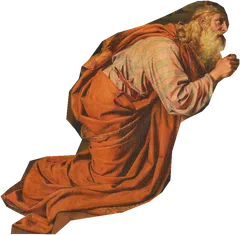
Father · Sources
for in such doth the Shaker of Earth delight; even so bellowed Hippodamas, as his lordly spirit left his bones. But Achilles with his spear went on after godlike Polydorus, son of Priam. Him would his father nowise suffer to fight, for that among his children he was the youngest born
slaying them and selling them into isles that hie afar. For even now there be twain of my sons, Lycaon and Polydorus, that I cannot see amid the Trojans that are gathered into the city, even they that Laothoe bare me, a princess among women. But if they be yet alive in the camp of the foe, then verily
Il. 20.408 · Il. 22.47
Mother · Sources
slaying them and selling them into isles that hie afar. For even now there be twain of my sons, Lycaon and Polydorus, that I cannot see amid the Trojans that are gathered into the city, even they that Laothoe bare me, a princess among women. But if they be yet alive in the camp of the foe, then verily
Il. 22.48
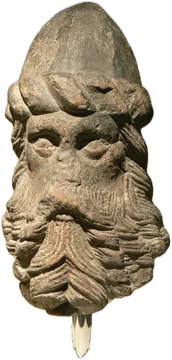
Brother through father · Sources
Квалификация братства/сестринства: Илиада: Общий отец подтверждён; сведения о матерях неполны. Различие матерей не установлено. Общие родители: Приам.
Wikidata: Гекуба — роль родителя · P25 Wikidata: Приам — роль родителя · P22 Wikidata: Приам — роль родителя · P22were fastened, and the corselet overlapped; through this straight on its way beside the navel passed the spear-point, and he fell to his knees with a groan and a cloud of darkness enfolded him, and as he sank he clasped his bowels to him with his hands. But when Hector beheld his brother Polydorus,
Il. 20.419
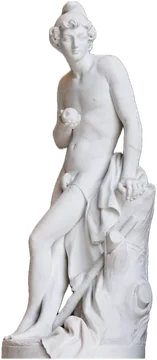
Brother through father · Sources
Братство или сестринство выведено из общего родителя: Приам. Матери и отцы, не указанные в источнике, не предполагаются. Квалификация братства/сестринства: Илиада: Общий отец подтверждён; сведения о матерях неполны. Различие матерей не установлено. Общие родители: Приам.
Wikidata: Приам — роль родителя · P22 Wikidata: Гекуба — роль родителя · P25 Wikidata: Приам — роль родителя · P22when he is hungry; for greedily doth he devour it, even though swift dogs and lusty youths set upon him: even so was Menelaus glad when his eyes beheld godlike Alexander; for he thought that he had gotten him vengeance on the sinner. And forthwith he leapt in his armour from his chariot to the ground.
but to thy father and city and all the people a grievous bane—to thy foes a joy, but to thine own self a hanging down of the head? Wilt thou indeed not abide Menelaus, dear to Ares? Thou wouldest learn what manner of warrior he is whose lovely wife thou hast. Then will thy lyre help thee not, neither the gifts of Aphrodite,
and they lean upon their shields, and beside them their long spears are fixed. But Alexander and Menelaus, dear to Ares, will do battle with their long spears for thee; and whoso shall conquer, his dear wife shalt thou be called. So spake the goddess, and put into her heart sweet longing
Il. 3.28 · Il. 3.50 · Il. 3.136 · Il. 3.174 · Il. 3.253 · Il. 3.307 · Il. 4.96 · Il. 6.282–283 · Il. 6.512 · Il. 20.408 · Il. 22.47 · Il. 24.248–252
Brother through father · Sources
Братство или сестринство выведено из общего родителя: Приам. Матери и отцы, не указанные в источнике, не предполагаются. Квалификация братства/сестринства: Илиада: Общий отец подтверждён; сведения о матерях неполны. Различие матерей не установлено. Общие родители: Приам.
Wikidata: Гекуба — роль родителя · P25 Wikidata: Приам — роль родителя · P22 Wikidata: Приам — роль родителя · P22sons twain of Priam; and a third was with them, the warrior Asius,—Asius son of Hyrtacus, whom his horses tawny and great had borne from Arisbe, from the river Selleïs. And of the fourth company the valiant son of Anchises was leader, even Aeneas, and with him were Antenor's two sons,
So saying, he aroused the strength and spirit of every man. Then among them with high heart strode Deïphobus, son of Priam, and before him he held his shield that was well-balanced upon every side, stepping forward lightly on his feet and advancing under cover of his shield. And Meriones aimed at him with his bright spear,
for in such doth the Shaker of Earth delight; even so bellowed Hippodamas, as his lordly spirit left his bones. But Achilles with his spear went on after godlike Polydorus, son of Priam. Him would his father nowise suffer to fight, for that among his children he was the youngest born
Il. 12.95 · Il. 13.156 · Il. 20.408 · Il. 22.47 · Il. 24.248–252
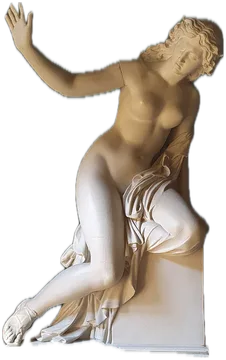
Sister through father · Sources
Братство или сестринство выведено из общего родителя: Приам. Матери и отцы, не указанные в источнике, не предполагаются. Квалификация братства/сестринства: Илиада: Общий отец подтверждён; сведения о матерях неполны. Различие матерей не установлено. Общие родители: Приам.
Wikidata: Приам — пол родителя · P21 Wikidata: Приам — роль родителя · P22and he asked in marriage the comeliest of the daughters of Priam, even Cassandra; he brought no gifts of wooing, but promised a mighty deed, that he would drive forth perforce out of Troy-land the sons of Achaeans. To him the old man Priam promised that he would give her, and bowed his head thereto, and Othryoneus fought, trusting in his promise.
for in such doth the Shaker of Earth delight; even so bellowed Hippodamas, as his lordly spirit left his bones. But Achilles with his spear went on after godlike Polydorus, son of Priam. Him would his father nowise suffer to fight, for that among his children he was the youngest born
slaying them and selling them into isles that hie afar. For even now there be twain of my sons, Lycaon and Polydorus, that I cannot see amid the Trojans that are gathered into the city, even they that Laothoe bare me, a princess among women. But if they be yet alive in the camp of the foe, then verily
Il. 13.365 · Il. 20.408 · Il. 22.47
Brother through father · Sources
Братство или сестринство выведено из общего родителя: Приам. Матери и отцы, не указанные в источнике, не предполагаются. Квалификация братства/сестринства: Илиада: Общий отец подтверждён; сведения о матерях неполны. Различие матерей не установлено. Общие родители: Приам.
Wikidata: Приам — пол родителя · P21 Wikidata: Приам — роль родителя · P22He spake, and shot another arrow from the string straight against Hector; and his heart was fain to smite him. Howbeit him he missed, but peerless Gorgythion he smote in the breast with his arrow, Priam's valiant son, that a mother wedded from Aesyme had born,
for in such doth the Shaker of Earth delight; even so bellowed Hippodamas, as his lordly spirit left his bones. But Achilles with his spear went on after godlike Polydorus, son of Priam. Him would his father nowise suffer to fight, for that among his children he was the youngest born
slaying them and selling them into isles that hie afar. For even now there be twain of my sons, Lycaon and Polydorus, that I cannot see amid the Trojans that are gathered into the city, even they that Laothoe bare me, a princess among women. But if they be yet alive in the camp of the foe, then verily
Il. 8.303 · Il. 20.408 · Il. 22.47
See all 29
In art

Titian. The Legend of Polydoros. Civic Museums of Padua. Public domain. https://www.wikidata.org/wiki/Q3954943
Titian. The Legend of Polydoros. Civic Museums of Padua. Public domain. https://www.wikidata.org/wiki/Q3954943

Pio Fedi. Rape of Polyxena. Loggia dei Lanzi. CC BY 4.0. https://www.wikidata.org/wiki/Q3930500
Pio Fedi. Rape of Polyxena. Loggia dei Lanzi. CC BY 4.0. https://www.wikidata.org/wiki/Q3930500

The Death of Polydorus. Museum of Fine Arts of Lyon. CC BY-SA 3.0. https://www.wikidata.org/wiki/Q17355339
The Death of Polydorus. Museum of Fine Arts of Lyon. CC BY-SA 3.0. https://www.wikidata.org/wiki/Q17355339
See all 3
Sources and verification
The character is matched to the catalogue.
- Wikipedia · Polydorus of Troy · CC BY-SA 4.0
Excerpt; remaining sentences omitted.
Reference material remains distinct from the poem’s assertions. Characters who share a name retain separate pages.