Helenus
Mortal man
In Greek mythology, Helenus (; Ancient Greek: Ἕλενος, romanized: Hélenos, lit. 'bright', 'shining light' or 'torch') was a gentle and clever seer. He was also a Trojan prince as the son of King Priam and Queen Hecuba of Troy, and the twin brother of the prophetess Cassandra.
Explore on the graph- Mentions
- 10
- Connected characters
- 29
- Books
- 5


Mentions in the Iliad
A. T. Murray, Loeb Classical Library, Harvard University Press, 1924 · Homer, Iliad with an English Translation · CC BY-SA 3.0 US
“had not the son of Priam, Helenus, far the best of augurs, come up to Aeneas and Hector, and said to them: Aeneas and Hector, seeing that upon you above all others rests the war-toil of Trojans and Lycians, for that in every undertaking ye are the best both in war and in counsel,”
“on the city and the Trojan's wives and their little children; in hope she may hold back from sacred Ilios the son of Tydeus, that savage spearman, a mighty deviser of rout, who has verily, meseems, proved himself the mightiest of the Achaeans. Not even Achilles did we ever fear on this wise, that leader of men,”
“who, they say, is born of a goddess; nay this man rageth beyond all measure, and no one can vie with him in might. So spake he, and Hector was in no wise disobedient unto his brother's word. Forthwith he leapt in his armour from his chariot to the ground, and brandishing his two sharp spears went everywhere throughout host,”
“to do battle with him man to man in dread combat. So shall the bronze-greaved Achaeans have indignation and rouse some one to do battle in single combat against goodly Hector. So he spake, and the goddess, flashing-eyed Athene, failed not to hearken. And Helenus, the dear son of Priam, understood in spirit”
“even they that were most in number and bravest, and that were most fain to break through the wall and fight by the hollow ships, and with them followed Cebriones as the third; for by his chariot had Hector left another man, weaker than Cebriones. The second company was led by Paris and Alcathous and Agenor, and the third by Helenus and godlike Deïphobus—”
“and darkness enfolded his eyes. Then in close fight Helenus smote Deïpyrus on the temple with a great Thracian sword, and tore away his helm, and the helm, dashed from his head, fell to the ground, and one of the Achaeans gathered it up as it rolled amid the feet of the fighters;”
“clean through the hand was driven the spear of bronze. Then back he shrank into the throng of his comrades, avoiding fate, letting his hand hang down by his side; and the ashen spear trailed after him. This then great-souled Agenor drew forth from his hand, and bound the hand with a strip of twisted sheep's wool,”
See all 10
Connections
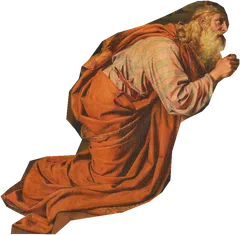
Father · Sources
had not the son of Priam, Helenus, far the best of augurs, come up to Aeneas and Hector, and said to them: Aeneas and Hector, seeing that upon you above all others rests the war-toil of Trojans and Lycians, for that in every undertaking ye are the best both in war and in counsel,
to do battle with him man to man in dread combat. So shall the bronze-greaved Achaeans have indignation and rouse some one to do battle in single combat against goodly Hector. So he spake, and the goddess, flashing-eyed Athene, failed not to hearken. And Helenus, the dear son of Priam, understood in spirit
sons twain of Priam; and a third was with them, the warrior Asius,—Asius son of Hyrtacus, whom his horses tawny and great had borne from Arisbe, from the river Selleïs. And of the fourth company the valiant son of Anchises was leader, even Aeneas, and with him were Antenor's two sons,
Il. 6.76 · Il. 7.44 · Il. 12.95 · Il. 24.248–252
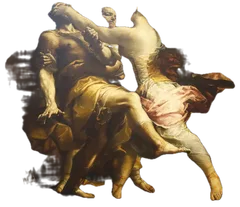
Mother · Sources
sore wearied though we be, for necessity weighs hard upon us; but do thou, Hector, go thy way to the city and speak there to her that is thy mother and mine; let her gather the aged wives to the temple of flashing-eyed Athene in the citadel, and when she has opened with the key the doors of the holy house,
Il. 6.87
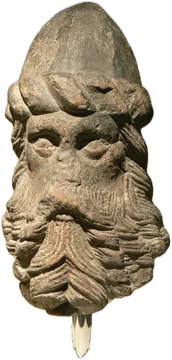
Brother · Sources
Квалификация братства/сестринства: Илиада: Общие отец и мать подтверждены. Общие родители: Гекуба, Приам.
Wikidata: Гекуба — роль родителя · P25 Wikidata: Приам — роль родителя · P22 Wikidata: Гекуба — роль родителя · P25 Wikidata: Приам — роль родителя · P22Квалификация братства/сестринства: Илиада: Общие отец и мать подтверждены. Общие родители: Гекуба, Приам.
Wikidata: Гекуба — роль родителя · P25 Wikidata: Приам — роль родителя · P22 Wikidata: Гекуба — роль родителя · P25 Wikidata: Приам — роль родителя · P22sore wearied though we be, for necessity weighs hard upon us; but do thou, Hector, go thy way to the city and speak there to her that is thy mother and mine; let her gather the aged wives to the temple of flashing-eyed Athene in the citadel, and when she has opened with the key the doors of the holy house,
who, they say, is born of a goddess; nay this man rageth beyond all measure, and no one can vie with him in might. So spake he, and Hector was in no wise disobedient unto his brother's word. Forthwith he leapt in his armour from his chariot to the ground, and brandishing his two sharp spears went everywhere throughout host,
this plan that had found pleasure with the gods in council; and he came and stood by Hector's side, and spake to him, saying: Hector, son of Priam, peer of Zeus in counsel, wouldst thou now in anywise hearken unto me? for I am thy brother. Make the Trojans to sit down, and all the Achaeans,
Il. 6.87 · Il. 6.102 · Il. 7.48
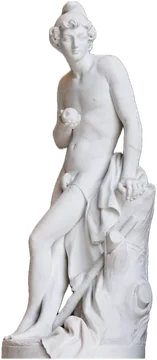
Brother · Sources
Братство или сестринство выведено из общего родителя: Гекуба, Приам. Матери и отцы, не указанные в источнике, не предполагаются. Квалификация братства/сестринства: Илиада: Общие отец и мать подтверждены. Общие родители: Гекуба, Приам.
Wikidata: Гекуба — роль родителя · P25 Wikidata: Приам — роль родителя · P22 Wikidata: Гекуба — роль родителя · P25 Wikidata: Приам — роль родителя · P22when he is hungry; for greedily doth he devour it, even though swift dogs and lusty youths set upon him: even so was Menelaus glad when his eyes beheld godlike Alexander; for he thought that he had gotten him vengeance on the sinner. And forthwith he leapt in his armour from his chariot to the ground.
but to thy father and city and all the people a grievous bane—to thy foes a joy, but to thine own self a hanging down of the head? Wilt thou indeed not abide Menelaus, dear to Ares? Thou wouldest learn what manner of warrior he is whose lovely wife thou hast. Then will thy lyre help thee not, neither the gifts of Aphrodite,
and they lean upon their shields, and beside them their long spears are fixed. But Alexander and Menelaus, dear to Ares, will do battle with their long spears for thee; and whoso shall conquer, his dear wife shalt thou be called. So spake the goddess, and put into her heart sweet longing
Il. 3.28 · Il. 3.50 · Il. 3.136 · Il. 3.174 · Il. 3.253 · Il. 3.307 · Il. 4.96 · Il. 6.76 · Il. 6.87 · Il. 6.282–283 · Il. 6.512 · Il. 7.44 · Il. 12.95 · Il. 13.777 · Il. 24.248–252
Brother · Sources
Братство или сестринство выведено из общего родителя: Гекуба, Приам. Матери и отцы, не указанные в источнике, не предполагаются. Квалификация братства/сестринства: Илиада: Общие отец и мать подтверждены. Общие родители: Гекуба, Приам.
Wikidata: Гекуба — роль родителя · P25 Wikidata: Приам — роль родителя · P22 Wikidata: Гекуба — роль родителя · P25 Wikidata: Приам — роль родителя · P22had not the son of Priam, Helenus, far the best of augurs, come up to Aeneas and Hector, and said to them: Aeneas and Hector, seeing that upon you above all others rests the war-toil of Trojans and Lycians, for that in every undertaking ye are the best both in war and in counsel,
sore wearied though we be, for necessity weighs hard upon us; but do thou, Hector, go thy way to the city and speak there to her that is thy mother and mine; let her gather the aged wives to the temple of flashing-eyed Athene in the citadel, and when she has opened with the key the doors of the holy house,
to do battle with him man to man in dread combat. So shall the bronze-greaved Achaeans have indignation and rouse some one to do battle in single combat against goodly Hector. So he spake, and the goddess, flashing-eyed Athene, failed not to hearken. And Helenus, the dear son of Priam, understood in spirit
Il. 6.76 · Il. 6.87 · Il. 7.44 · Il. 12.95 · Il. 13.156 · Il. 22.233–234 · Il. 24.248–252
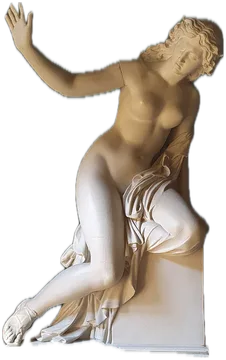
Sister through father · Sources
Братство или сестринство выведено из общего родителя: Приам. Матери и отцы, не указанные в источнике, не предполагаются. Квалификация братства/сестринства: Илиада: Общий отец подтверждён; сведения о матерях неполны. Различие матерей не установлено. Общие родители: Приам.
Wikidata: Приам — пол родителя · P21 Wikidata: Гекуба — роль родителя · P25 Wikidata: Приам — роль родителя · P22had not the son of Priam, Helenus, far the best of augurs, come up to Aeneas and Hector, and said to them: Aeneas and Hector, seeing that upon you above all others rests the war-toil of Trojans and Lycians, for that in every undertaking ye are the best both in war and in counsel,
to do battle with him man to man in dread combat. So shall the bronze-greaved Achaeans have indignation and rouse some one to do battle in single combat against goodly Hector. So he spake, and the goddess, flashing-eyed Athene, failed not to hearken. And Helenus, the dear son of Priam, understood in spirit
sons twain of Priam; and a third was with them, the warrior Asius,—Asius son of Hyrtacus, whom his horses tawny and great had borne from Arisbe, from the river Selleïs. And of the fourth company the valiant son of Anchises was leader, even Aeneas, and with him were Antenor's two sons,
Il. 6.76 · Il. 7.44 · Il. 12.95 · Il. 13.365 · Il. 24.248–252
Brother through father · Sources
Братство или сестринство выведено из общего родителя: Приам. Матери и отцы, не указанные в источнике, не предполагаются. Квалификация братства/сестринства: Илиада: Общий отец подтверждён; сведения о матерях неполны. Различие матерей не установлено. Общие родители: Приам.
Wikidata: Приам — пол родителя · P21 Wikidata: Гекуба — роль родителя · P25 Wikidata: Приам — роль родителя · P22had not the son of Priam, Helenus, far the best of augurs, come up to Aeneas and Hector, and said to them: Aeneas and Hector, seeing that upon you above all others rests the war-toil of Trojans and Lycians, for that in every undertaking ye are the best both in war and in counsel,
to do battle with him man to man in dread combat. So shall the bronze-greaved Achaeans have indignation and rouse some one to do battle in single combat against goodly Hector. So he spake, and the goddess, flashing-eyed Athene, failed not to hearken. And Helenus, the dear son of Priam, understood in spirit
He spake, and shot another arrow from the string straight against Hector; and his heart was fain to smite him. Howbeit him he missed, but peerless Gorgythion he smote in the breast with his arrow, Priam's valiant son, that a mother wedded from Aesyme had born,
Il. 6.76 · Il. 7.44 · Il. 8.303 · Il. 12.95 · Il. 24.248–252
See all 29
In art

Giovanni Gioseffo dal Sole. The meeting of Aeneas and Ascanius with Andromache and Elenus in Butroro. Palazzo Buonaccorsi Gallery of Ancient Art. CC BY 3.0. https://www.wikidata.org/wiki/Q110382981
Giovanni Gioseffo dal Sole. The meeting of Aeneas and Ascanius with Andromache and Elenus in Butroro. Palazzo Buonaccorsi Gallery of Ancient Art. CC BY 3.0. https://www.wikidata.org/wiki/Q110382981
See all 1
Sources and verification
The character is matched to the catalogue.
- Wikipedia · Helenus (son of Priam) · CC BY-SA 4.0
Excerpt; remaining sentences omitted.
Reference material remains distinct from the poem’s assertions. Characters who share a name retain separate pages.