Aeneas
Mortal man
Aeneas ( in-EE-əs; Classical Latin: [ae̯ˈneːaːs]; from Ancient Greek: Αἰνείας, romanized: Aineías) was a Trojan hero in Greco-Roman mythology, the son of the Trojan prince Anchises and the Greek goddess Aphrodite (equivalent to the Roman Venus).
Explore on the graph- Mentions
- 48
- Connected characters
- 13
- Books
- 13


Mentions in the Iliad
A. T. Murray, Loeb Classical Library, Harvard University Press, 1924 · Homer, Iliad with an English Translation · CC BY-SA 3.0 US
“There on this day did the Trojans and their allies separate their companies. The Trojans were led by great Hector of the flashing helm, the son of Priam, and with him were marshalled the greatest hosts by far and the goodliest, raging with the spear. Of the Dardanians again the valiant son of Anchises was captain,”
“and the horses he gave to his comrades to drive to the ships. But Aeneas was ware of him as he made havoc of the ranks of warriors, and went his way along the battle amid the hurtling of the spears in quest of godlike Pandarus, if so be he might anywhere find him. He found the son of Lycaon, goodly and valiant,”
“Aeneas, counsellor of the brazen-coated Trojans, to the wise-hearted son of Tydeus do I liken him in all things, knowing him by his shield and his crested helm, and when I look on his horses; yet I know not surely if he be not a god. But if he be the man I deem him, even the wise-hearted son of Tydeus,”
“if I break not this bow with my hands and cast it into the blazing fire; for worthless as wind doth it attend me. To him then spake in answer Aeneas, leader of the Trojans: Nay, speak not thus; things shall in no wise be any better before that we twain with horses and chariot”
“if again Zeus shall vouchsafe glory to Tydeus' son Diomedes. Come, therefore, take thou now the lash and the shining reins, and I will dismount to fight; or else do thou await his onset, and I will look to the horses. Then made answer to him the glorious son of Lycaon:”
“And from these a stock of six was born him in his palace; four he kept himself and reared at the stall, and the other two he gave to Aeneas, devisers of rout. Could we but take these twain, we should win us goodly renown. Thus they spake on this wise one to the other,”
“and his armour all bright and flashing clanged upon him, and the swift-footed horses swerved aside; and there his spirit and his strength were undone. But Aeneas leapt down with shield and long spear, seized with fear lest perchance the Achaeans might drag from him the dead man. Over him he strode like a lion confident in his strength, and before him he held his spear and his shield that was well balanced on every side,”
See all 47
“and before him she spread a fold of her bright garment to be a shelter against missiles, lest any of the Danaans with swift horses might hurl a spear of bronze into his breast and take away his life. She then was bearing her dear son forth from out the battle; but the son of Capaneus forgat not”
“the ichor, such as floweth in the blessed gods; for they eat not bread neither drink flaming wine, wherefore they are bloodless, and are called immortals. She then with a loud cry let fall her son, and Phoebus Apollo took him in his arms”
“To her then made answer laughter-loving Aphrodite: Tydeus' son, Diomedes high of heart, wounded me, for that I was bearing forth from out the war my dear son Aeneas, who is in my eyes far the dearest of all men. For no longer is the dread battle one between Trojans and Achaeans;”
“and all these things shall be the business of swift Ares and Athene. On this wise spake they one to the other; but Diomedes, good at the war-cry, leapt upon Aeneas, though well he knew that Apollo himself held forth his arms above him; yet had he no awe even of the great god, but was still eager”
“to slay Aeneas and strip from him his glorious armour. Thrice then he leapt upon him, furiously fain to slay him, and thrice did Apollo beat back his shining shield. But when for the fourth time he rushed upon him like a god, then with a terrible cry spake to him Apollo that worketh afar:”
“how long will ye still suffer your host to be slain by the Achaeans? Shall it be until such time as they fight about our well-built gates? Low lieth a man whom we honoured even as goodly Hector, Aeneas, son of great-hearted Anchises. Nay, come, let us save from out the din of conflict our noble comrade.”
“rouse the spirit of the Trojans, whenso he saw that Pallas Athene was departed; for she it was that bare aid to the Danaans. And Apollo himself sent Aeneas forth from out the rich sanctuary, and put courage in the breast of the shepherd of the host. And Aeneas took his place in the midst of his comrades, and these waxed glad”
“that blow with shrill blasts and scatter this way and that the shadowy clouds; even so the Danaans withstood the Trojans steadfastly, and fled not. And the son of Atreus ranged throughout the throng with many a word of command: My friends, be men, and take to you hearts of valour, and have shame each of the other in the fierce conflict. Of men that have shame more are saved than are slain, but from them that flee cometh neither glory nor any avail. He spake, and hurled his spear swiftly and smote a foremost warrior, a comrade of great-souled Aeneas, Deïcoön,”
“are reared by their dam in the thickets of a deep wood; and the twain snatch cattle and goodly sheep and make havoc of the farmsteads of men, until themuselves are slain by the hands of men with the sharp bronze; even in such wise were these twain vanquished beneath the hands of Aeneas, and fell like tall fir-trees.”
“had not the son of Priam, Helenus, far the best of augurs, come up to Aeneas and Hector, and said to them: Aeneas and Hector, seeing that upon you above all others rests the war-toil of Trojans and Lycians, for that in every undertaking ye are the best both in war and in counsel,”
“Nay, come, mount upon my car, that thou mayest see of what sort are the horses of Tros, well skilled to course fleetly hither and thither over the plain whether in pursuit or in flight, even those that once I took from Aeneas, devisers of rout. Thy horses shall our two squires tend, but these twain”
“to send forth to Hades many a valiant head. And the Trojans over against them on the rising ground of the plain mustered about great Hector and peerless Polydamas and Aeneas that was honoured of the folk of the Trojans even as a god, and the three sons of Antenor, Polybus and goodly Agenor”
“sons twain of Priam; and a third was with them, the warrior Asius,—Asius son of Hyrtacus, whom his horses tawny and great had borne from Arisbe, from the river Selleïs. And of the fourth company the valiant son of Anchises was leader, even Aeneas, and with him were Antenor's two sons,”
“So spake he, and Deïphobus was divided in counsel, whether he should give ground and take to him as comrade some one of the great-souled Trojans, or should make trial by himself alone. And as he pondered this thing seemed to him the better—to go after Aeneas; and he found him standing last amid the throng,”
“and he whetteth his tusks, eager to ward off dogs and men; even so Idomeneus, famed for his spear, abode the oncoming of Aeneas to bear aid, and gave not ground, but called to his comrades, looking unto Ascalaphus, Aphareus, and Deïpyrus, and Meriones, and Antilochus, masters of the war-cry;”
“Aeneas and Idomeneus, peers of Ares, were eager each to cleave the other's flesh with the pitiless bronze. And Aeneas first cast at Idomeneus, but he, looking steadily at him, avoided the spear of bronze, and the lance of Aeneas sank quivering down in to the earth,”
“But the rest fought on, and a cry unquenchable arose. Then Aeneas leapt upon Aphareus, son of Caletor, that was turned toward him, and struck him on the throat with his sharp spear, and his head sank to one side, and his shield was hurled upon him and his helm withal, and death that slayeth the spirit encompassed him.”
“even Polydamas, and Aeneas, and goodly Agenor, and Sarpedon, leader of the Lycians, and peerless Glaucus withal, and of the rest was no man unheedful of him, but before him they held their round shields; and his comrades lifted him up in their arms and bare him forth from the toil of war until he came to the swift horses”
“the one a leader of the brazen-coated Boeotians, and the other a trusty comrade of great-souled Menestheus; and Aeneas slew Medon and Iasus. The one verily, Medon, was a bastard son of godlike Oïleus, and brother of Aias,”
“unto Polydamas, son of Panthous, and goodly Agenor, and he went after Aeneas, and after Hector, harnessed in bronze. And he came up to him and spake winged words, saying: Hector, now in good sooth art thou utterly forgetful of the allies, that for thy sake far from their friends and their native land”
“one that was priest of Idaean Zeus, and was honoured of the folk even as a god: him he smote beneath the jaw under the ear, and forthwith his spirit departed from his limbs, and hateful darkness gat hold of hinu. And Aeneas cast at Meriones his spear of bronze, for he hoped to smite him as he advanced under cover of his shield.”
“dear to Ares, up to Ilios, vanquished in their cowardice, and the Argives would have won glory even beyond the allotment of Zeus, by reason of their might and their strength, had not Apollo himself aroused Aeneas, taking upon him the form of the herald, Periphas, son of Epytos, that in the house of his old father”
“and in their host, and that held their realm even in defiance of Zeus. But for us Zeus willeth the victory far more than for the Danaans; yet yourselves ye have measureless fear, and fight not. So spake he, and Aeneas knew Apollo that smiteth afar, when he looked upon his face, and he called aloud, and spake to Hector:”
“take thou the lash and the shining reins, and I will dismount to fight So spake he, and Alcimedon leapt upon the car that was swift in battle, and quickly grasped in his hands the lash and reins; and Automedon leapt down. And glorious Hector espied them, and forthwith spake to Aeneas, that was near:”
“to stand firm about it and to ward off the ranks of men; but from us twain that yet live ward ye off the pitiless day of doom, for here are pressing hard in tearful war Hector and Aeneas, the best men of the Trojans. Yet these things verily lie on the knees of the gods:”
“And now had they clashed with their swords in close fight but that the twain Aiantes parted them in their fury, for they came through the throng at the call of their comrade, and seized with fear of them Hector and Aeneas and godlike Chromius gave ground again”
“—some wooded ridge that chanceth to lie all athwart a plain and that holdeth back even the dread streams of mighty rivers, and forthwith turneth the current of them all to wander over the plain, neither doth the might of their flood avail to break through it; even so the twain Aiantes ever kept back the battle of the Trojans, but these ever followed after and two among them above all others, even Aeneas, Anchises' son, and glorious Hector.”
“to face the son of Peleus, and he put into him great might: and he likened his own voice to that of Lycaon, son of Priam. In his likeness spake unto Aeneas the son of Zeus, Apollo: Aeneas, counsellor of the Trojans, where be now thy threats, wherewith thou wast wont to declare unto the princes of the Trojans over thy wine,”
“that thou wouldst do battle man to man against Achilles, son of Peleus? Then Aeneas answered him, and said: Son of Priam, why on this wise do thou bid me face in fight the son of Peleus, high of heart, though I be not minded thereto?”
“So saying he breathed great might into the shepherd of the host, and he strode amid the foremost fighters, harnessed in flaming bronze. Nor was the son of Anchises unseen of white-armed Hera, as he went forth to face the son of Peleus amid the throng of men, but she gathered the gods together, and spake among them, saying:”
“even Aeneas, Anchises' son, and goodly Achilles. Aeneas first strode forth with threatening mien, his heavy hem nodding above him; his valorous shield he held before his breast, and he brandished a spear of bronze. And on the other side the son of Peleus rushed against him him like a lion,”
“and his lordly spirit to go forth to face great-hearted Aeneas. And when they were come near, as they advanced one against the other, then first unto Aeneas spake swift-footed goodly Achilles: Aeneas, wherefore hast thou sallied thus far forth from the throng to stand and face me? Is it that thy heart biddeth thee fight with me”
“as thou deemest in thy heart; nay, of myself I bid thee get thee back into the throng and stand not forth to face me, ere yet some evil befall thee; when it is wrought even a fool getteth understanding. Then Aeneas answered him and said:”
“This then is the lineage amid the blood wherefrom I avow me sprung. But as for valour, it is Zeus that increaseth it for men or minisheth it, even as himself willeth, seeing he is mightiest of all. But come, no longer let us talk thus like children,”
“And the son of Peleus held the shield from him with his stout hand, being seized with dread; for he deemed that the far-shadowing spear of great-hearted Aeneas would lightly pierce it through—”
“beneath the outermost rim where the bronze ran thinnest, and thinnest was the backing of bull's-hide; and straight through sped the spear of Pelian ash, and the shield rang beneath the blow. And Aeneas cringed and held from him the shield, being seized with fear; and the spear passed over his back and was stayed in the ground”
“and the son of Peleus in close combat would with his sword have robbed Aeneas of life, had not Poseidon, the Shaker of Earth, been quick to see. And forthwith he spake among the immortal gods, saying: Now look you, verily have I grief for great-hearted Aeneas, who anon shall go down to the house of Hades,”
“and came to the place where Aeneas was and glorious Achilles. Forthwith then he shed a mist over the eyes of Achilles, Peleus' son, and the ashen spear, well-shod with bronze, he drew forth from the shield of the great-hearted Aeneas and set it before the feet of Achilles,”
“So saying he left him there, when he had told him all. Then quickly from Achilles' eyes he scattered the wondrous mist; and he stared hard with his eyes, and mightily moved spake unto his own great-hearted spirit: Now look you, verily a great marvel is this that mine eyes behold.”
“and after him upsprang Tydeus' son, mighty Diomedes, and led beneath the yoke the horses of Tros, even them that on a time he had taken from Aeneas, albeit Apollo snatched away Aeneas' self; and after him uprose Atreus' son, fair-haired Menelaus, sprung from Zeus, and led beneath the yoke swift steeds, Aethe, Agamemnon's mare, and his own horse Podargus.”
Connections
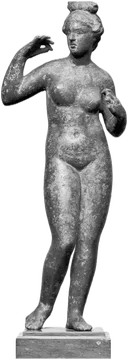
Mother · Sources
even Aeneas, whom fair Aphrodite conceived to Anchises amid the spurs of Ida, a goddess couched with a mortal man. Not alone was he; with him were Antenor's two sons, Archelochus and Acamas, well skilled in all manner of fighting. And they that dwelt in Zeleia beneath the nethermost foot of Ida,
endued with measureless strength. The one is well skilled with the bow, even Pandarus, and moreover avoweth him to be the son of Lycaon; while Aeneas avoweth himself to be born of peerless Anchises, and his mother is Aphrodite. Nay, come, let us give ground on the car, neither rage thou thus,
upon the earth; and dark night enfolded his eyes. And now would the king of men, Aeneas, have perished, had not the daughter of Zeus, Aphrodite, been quick to mark, even his mother, that conceived him to Anchises as he tended his kine. About her dear son she flung her white arms,
Il. 2.820 · Il. 5.248 · Il. 5.312–313 · Il. 5.314–318 · Il. 5.343 · Il. 5.377–378 · Il. 20.105 · Il. 20.209
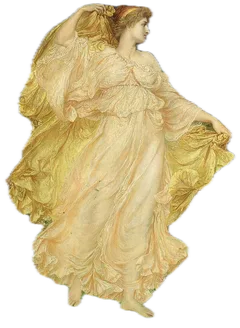
Father · Sources
There on this day did the Trojans and their allies separate their companies. The Trojans were led by great Hector of the flashing helm, the son of Priam, and with him were marshalled the greatest hosts by far and the goodliest, raging with the spear. Of the Dardanians again the valiant son of Anchises was captain,even Aeneas, whom fair Aphrodite conceived to Anchises amid the spurs of Ida, a goddess couched with a mortal man. Not alone was he; with him were Antenor's two sons, Archelochus and Acamas, well skilled in all manner of fighting. And they that dwelt in Zeleia beneath the nethermost foot of Ida,
if again Zeus shall vouchsafe glory to Tydeus' son Diomedes. Come, therefore, take thou now the lash and the shining reins, and I will dismount to fight; or else do thou await his onset, and I will look to the horses. Then made answer to him the glorious son of Lycaon:
upon the earth; and dark night enfolded his eyes. And now would the king of men, Aeneas, have perished, had not the daughter of Zeus, Aphrodite, been quick to mark, even his mother, that conceived him to Anchises as he tended his kine. About her dear son she flung her white arms,
Il. 2.819–821 · Il. 5.229 · Il. 5.312–313 · Il. 5.447 · Il. 5.468 · Il. 12.98–99 · Il. 16.536 · Il. 17.491 · Il. 17.534 · Il. 17.754 · Il. 20.80 · Il. 20.86 · Il. 20.160 · Il. 20.208 · Il. 20.240 · Il. 20.327
Sister · Sources
Братство или сестринство выведено из общего родителя: Анхиз. Матери и отцы, не указанные в источнике, не предполагаются. Квалификация братства/сестринства: Илиада: Общий родитель подтверждён; роль отца или матери не установлена. Общие родители: Анхиз.
Wikidata: Афродита — пол родителя · P21There on this day did the Trojans and their allies separate their companies. The Trojans were led by great Hector of the flashing helm, the son of Priam, and with him were marshalled the greatest hosts by far and the goodliest, raging with the spear. Of the Dardanians again the valiant son of Anchises was captain,even Aeneas, whom fair Aphrodite conceived to Anchises amid the spurs of Ida, a goddess couched with a mortal man. Not alone was he; with him were Antenor's two sons, Archelochus and Acamas, well skilled in all manner of fighting. And they that dwelt in Zeleia beneath the nethermost foot of Ida,
if again Zeus shall vouchsafe glory to Tydeus' son Diomedes. Come, therefore, take thou now the lash and the shining reins, and I will dismount to fight; or else do thou await his onset, and I will look to the horses. Then made answer to him the glorious son of Lycaon:
upon the earth; and dark night enfolded his eyes. And now would the king of men, Aeneas, have perished, had not the daughter of Zeus, Aphrodite, been quick to mark, even his mother, that conceived him to Anchises as he tended his kine. About her dear son she flung her white arms,
Il. 2.819–821 · Il. 5.229 · Il. 5.312–313 · Il. 5.447 · Il. 5.468 · Il. 12.98–99 · Il. 13.429 · Il. 13.429–430 · Il. 16.536 · Il. 17.491 · Il. 17.534 · Il. 17.754 · Il. 20.80 · Il. 20.86 · Il. 20.160 · Il. 20.208 · Il. 20.240 · Il. 20.327
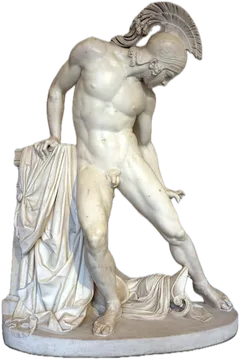
Opponent · Sources
Стихи 20.160–161: «На середине меж ратей сходились, желая сразиться, - / Сын Анхиза Эней и Пелид Ахиллес быстроногий» — прямое изображение поединка-противоборства.
even Aeneas, Anchises' son, and goodly Achilles. Aeneas first strode forth with threatening mien, his heavy hem nodding above him; his valorous shield he held before his breast, and he brandished a spear of bronze. And on the other side the son of Peleus rushed against him him like a lion,
Il. 20.160–161
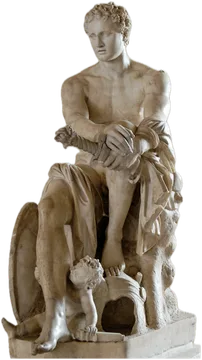
Poetic resemblance · Sources
Aeneas and Idomeneus, peers of Ares, were eager each to cleave the other's flesh with the pitiless bronze. And Aeneas first cast at Idomeneus, but he, looking steadily at him, avoided the spear of bronze, and the lance of Aeneas sank quivering down in to the earth,
Il. 13.500
Patron · Sources
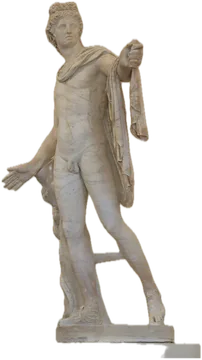
and all these things shall be the business of swift Ares and Athene. On this wise spake they one to the other; but Diomedes, good at the war-cry, leapt upon Aeneas, though well he knew that Apollo himself held forth his arms above him; yet had he no awe even of the great god, but was still eagerto slay Aeneas and strip from him his glorious armour. Thrice then he leapt upon him, furiously fain to slay him, and thrice did Apollo beat back his shining shield. But when for the fourth time he rushed upon him like a god, then with a terrible cry spake to him Apollo that worketh afar:
Aeneas then did Apollo set apart from the throng in sacred Pergamus where was his temple builded. There Leto and the archer Artemis healed him in the great sanctuary, and glorified him; but Apollo of the silver bow fashioned a wraith
Il. 5.433–435 · Il. 5.445–446
Opponent · Sources
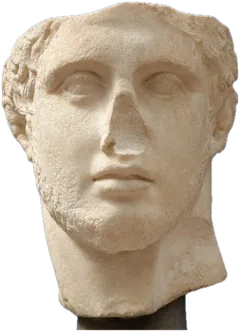
Стихи 5.432–437: Диомед трижды бросается на Энея, чтобы убить его, и Аполлон трижды отражает удары, — прямое изображение поединка-противоборства.
and all these things shall be the business of swift Ares and Athene. On this wise spake they one to the other; but Diomedes, good at the war-cry, leapt upon Aeneas, though well he knew that Apollo himself held forth his arms above him; yet had he no awe even of the great god, but was still eagerto slay Aeneas and strip from him his glorious armour. Thrice then he leapt upon him, furiously fain to slay him, and thrice did Apollo beat back his shining shield. But when for the fourth time he rushed upon him like a god, then with a terrible cry spake to him Apollo that worketh afar:
Il. 5.432–437
See all 13
In art

Ferdinand Bol. Achilles ontvangt van Thetis een nieuwe wapenrusting uit de smidse van Vulcanus. Rijksmuseum. CC0. https://www.wikidata.org/wiki/Q17324355
Ferdinand Bol. Achilles ontvangt van Thetis een nieuwe wapenrusting uit de smidse van Vulcanus. Rijksmuseum. CC0. https://www.wikidata.org/wiki/Q17324355

Wenceslaus Hollar. Aeneas's farewell to Andromache . State 3.. собрание не указано. Public domain. https://commons.wikimedia.org/wiki/File%3AWenceslas_Hollar_-_Aeneas%27s_farewell_to_Andromache_%28State_3%29.jpg
Photograph / reproduction: Wenceslaus Hollar
Photograph / reproduction date: Unknown date (author lived 1607-1677)

Wenceslaus Hollar. Aeneas meets Andromache . State 3.. собрание не указано. Public domain. https://commons.wikimedia.org/wiki/File%3AWenceslas_Hollar_-_Aeneas_meets_Andromache_%28State_3%29.jpg
Photograph / reproduction: Wenceslaus Hollar
Photograph / reproduction date: Unknown date (author lived 1607-1677)

Dosso Dossi. Arrival of the Trojans at the Strophades Islands and the Attack of the Harpies. Museo del Prado. Public domain. https://www.wikidata.org/wiki/Q123737311
Photograph / reproduction: Dosso Dossi
Photograph / reproduction date: 1520-1526
Dosso Dossi. Arrival of the Trojans at the Strophades Islands and the Attack of the Harpies. Museo del Prado. Public domain. https://www.wikidata.org/wiki/Q123737311
Photograph / reproduction: Dosso Dossi
Photograph / reproduction date: 1520-1526

Simon Vouet. Æneas and His Father Fleeing Troy. San Diego Museum of Art. CC0. https://www.wikidata.org/wiki/Q86856690
Simon Vouet. Æneas and His Father Fleeing Troy. San Diego Museum of Art. CC0. https://www.wikidata.org/wiki/Q86856690

Laurent Guiard. Enée sauvant Anchise et Ascagne de l'incendie de Troie - Laurent Guyard - Musée du Louvre Sculptures RF 3699. Department of Sculptures of the Louvre. CC0. https://www.wikidata.org/wiki/Q87451915
Laurent Guiard. Enée sauvant Anchise et Ascagne de l'incendie de Troie - Laurent Guyard - Musée du Louvre Sculptures RF 3699. Department of Sculptures of the Louvre. CC0. https://www.wikidata.org/wiki/Q87451915


Master of the Aeneid. The Trojans Flee the Coast of the Cyclops. Department of Decorative Arts of the Louvre. Public domain. https://www.wikidata.org/wiki/Q127342390
Master of the Aeneid. The Trojans Flee the Coast of the Cyclops. Department of Decorative Arts of the Louvre. Public domain. https://www.wikidata.org/wiki/Q127342390
See all 195
Sources and verification
The character is matched to the catalogue.
- Wikipedia · Aeneas · CC BY-SA 4.0
Excerpt; remaining sentences omitted.
Reference material remains distinct from the poem’s assertions. Characters who share a name retain separate pages.