Scamander
God
Scamander (), also Skamandros (Ancient Greek: Σκάμανδρος) or Xanthos (Ξάνθος), was a river god in Greek mythology.
Explore on the graph- Mentions
- 17
- Connected characters
- 24
- Books
- 6


Mentions in the Iliad
A. T. Murray, Loeb Classical Library, Harvard University Press, 1924 · Homer, Iliad with an English Translation · CC BY-SA 3.0 US
“So spake she, and led furious Ares forth from the battle. Then she made him to sit down on the sandy banks of Scamander, and the Trojans were turned in flight by the Danaans. Each one of the captains slew his man; first the king of men, Agamemnon, thrust from his car the leader of the Halizones, great Odius,”
“So he fell in the dust, and bit the cold bronze with his teeth. And Eurypylus, son of Euaemon, slew goodly Hypsenor, son of Dolopion high of heart, that was made priest of Scamander, and was honoured of the folk even as a god—upon him did Eurypylus, Euaemon's glorious son,”
“Rhesus and Heptaporus and Caresus and Rhodius, and Granicus and Aesepus, and goodly Scamander, and Simois, by the banks whereof many shields of bull's-hide and many helms fell in the dust, and the race of men half-divine—of all these did Phoebus Apollo turn the mouths together,”
“that stood waiting for him at the rear of the battle and the conflict, with their charioteer and chariot richly dight. These bare him groaning heavily toward the city. But when they were now come to the ford of the fair-flowing river, even eddying Xanthus, that immortal Zeus begat,”
“and Leto and Xanthus and laughter-loving Aphrodite. Now as long as the gods were afar from the mortal men, even for so long triumphed the Achaeans mightily, seeing Achilles was come forth, albeit he had long kept him aloof from grievous battle; but upon the Trojans came dread trembling on the limbs of every man”
“against Hera stood forth the huntress of the golden arrows, and the echoing chase, even the archer Artemis, sister of the god that smiteth afar; against Leto stood forth the strong helper, Hermes, and against Hephaestus the great, deep-eddying river, that god called Xanthus, and men Scamander.”
“But when they were now come to the ford of the fair-flowing river, even eddying Xanthus that immortal Zeus begat, there Achilles cleft them asunder, and the one part he drave to the plain toward the city, even where the Achaeans were fleeing in rout”
See all 17
Connections
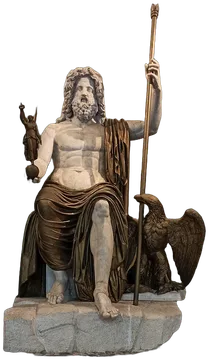
Father · Sources
that stood waiting for him at the rear of the battle and the conflict, with their charioteer and chariot richly dight. These bare him groaning heavily toward the city. But when they were now come to the ford of the fair-flowing river, even eddying Xanthus, that immortal Zeus begat,
But when they were now come to the ford of the fair-flowing river, even eddying Xanthus that immortal Zeus begat, there Achilles cleft them asunder, and the one part he drave to the plain toward the city, even where the Achaeans were fleeing in rout
And Hermes yoked for them the horses and mules, and himself lightly drave them through the camp, neither had any man knowledge thereof. But when they were now come to the ford of the fair-flowing river, even eddying Xanthus, that immortal Zeus begat, then Hermes departed to high Olympus,
Il. 14.434 · Il. 21.2 · Il. 24.693
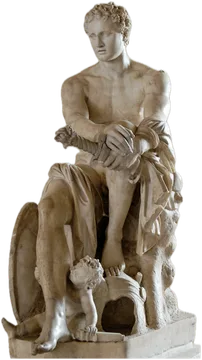
Brother through father · Sources
Братство или сестринство выведено из общего родителя: Зевс. Матери и отцы, не указанные в источнике, не предполагаются. Квалификация братства/сестринства: Илиада: Общий отец подтверждён; сведения о матерях неполны. Различие матерей не установлено. Общие родители: Зевс.
Wikidata: Гера — роль родителя · P25 Wikidata: Зевс — роль родителя · P22 Wikidata: Зевс — роль родителя · P22took furious Ares by the hand and spake to him, saying: Ares, Ares, thou bane of mortals, thou blood-stained stormer of walls, shall we not now leave the Trojans and Achaeans to fight, to whichsoever of the two it be that father Zeus shall vouchsafe glory? But for us twain, let us give place, and avoid the wrath of Zeus.
Howbeit I will no longer endure that thou shouldest be in pain, for thou art mine offspring, and it was to me that thy mother bare thee; but wert thou born of any other god, thus pestilent as thou art, then long ere this hadst thou been lower than the sons of heaven. He spake, and bade Paeëon heal his hurt;
that stood waiting for him at the rear of the battle and the conflict, with their charioteer and chariot richly dight. These bare him groaning heavily toward the city. But when they were now come to the ford of the fair-flowing river, even eddying Xanthus, that immortal Zeus begat,
Il. 5.33 · Il. 5.896 · Il. 14.434 · Il. 21.2 · Il. 24.693
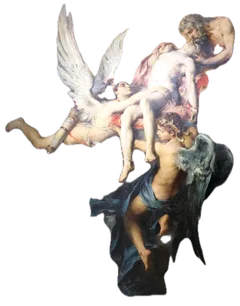
Brother through father · Sources
Братство или сестринство выведено из общего родителя: Зевс. Матери и отцы, не указанные в источнике, не предполагаются. Квалификация братства/сестринства: Илиада: Общий отец подтверждён; сведения о матерях неполны. Различие матерей не установлено. Общие родители: Зевс.
Wikidata: Зевс — пол родителя · P21 Wikidata: Зевс — роль родителя · P22And when they were come near as they advanced one against the other, the son and grandson of Zeus the cloud-gatherer, then Tlepolemus was first to speak, saying: Sarpedon, counsellor of the Lycians, why must thou be skulking here, that art a man unskilled in battle?They speak but a lie that say thou art sprung from Zeus that beareth the aegis, seeing thou art inferior far to those warriors that were sprung from Zeus in the days of men of old. Of other sort, men say, was mighty Heracles, my father, staunch in fight, the lionhearted,
And Tlepolemus smote Sarpedon upon the left thigh with his long spear, and the point sped through furiously and grazed the bone; howbeit his father as yet warded from him destruction. Then his goodly companions bare godlike Sarpedon forth from out the fight, and the long spear burdened him sore,as it trailed, but no man marked it or thought in their haste to draw forth from his thigh the spear of ash, that he might stand upon his feet; such toil had they in tending him. And on the other side the well-greaved Achaeans bare Tlepolemus from out the fight, and goodly Odysseusof the enduring soul was ware of it, and his spirit waxed furious within him; and he pondered then in heart and soul whether he should pursue further after the son of Zeus that thundereth aloud, or should rather take the lives of more Lycians. But not for great-hearted Odysseus was it ordained
to slay with the sharp bronze the valiant son of Zeus; wherefore Athene turned his mind toward the host of the Lycians. Then slew he Coeranus and Alastor and Chromius and Alcandrus and Halius and Noëmon and Prytanis; and yet more of the Lycians would goodly Odysseus have slain,
Il. 5.634–635 · Il. 5.662–672 · Il. 5.675 · Il. 6.198–199 · Il. 12.292 · Il. 12.402–403 · Il. 14.434 · Il. 15.67 · Il. 16.522 · Il. 21.2 · Il. 24.693
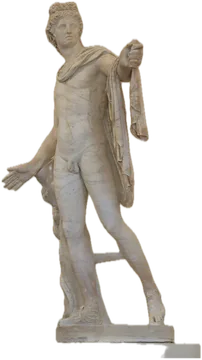
Brother through father · Sources
Братство или сестринство выведено из общего родителя: Зевс. Матери и отцы, не указанные в источнике, не предполагаются. Квалификация братства/сестринства: Илиада: Общий отец подтверждён; сведения о матерях неполны. Различие матерей не установлено. Общие родители: Зевс.
Wikidata: Зевс — роль родителя · P22 Wikidata: Лето — роль родителя · P25 Wikidata: Зевс — роль родителя · P22from the time when first they parted in strife Atreus' son, king of men, and brilliant Achilles. Who then of the gods was it that brought these two together to contend? The son of Leto and Zeus; for he in anger against the king roused throughout the host an evil pestilence, and the people began to perish,
to sacred Ilios. And Apollo sped forth to meet her, for he looked down from out of Pergamus and beheld her, and was fain to have victory for the Trojans. So the twain met one with the other by the oak-tree. Then to her spake first the king Apollo, son of Zeus: Wherefore art thou again come thus eagerly from Olympus, thou daughter of great Zeus,
that stood waiting for him at the rear of the battle and the conflict, with their charioteer and chariot richly dight. These bare him groaning heavily toward the city. But when they were now come to the ford of the fair-flowing river, even eddying Xanthus, that immortal Zeus begat,
Il. 1.9 · Il. 7.23 · Il. 14.434 · Il. 15.236 · Il. 20.103 · Il. 21.2 · Il. 21.229 · Il. 22.302 · Il. 24.693
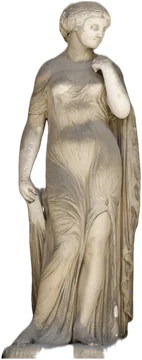
Sister through father · Sources
Братство или сестринство выведено из общего родителя: Зевс. Матери и отцы, не указанные в источнике, не предполагаются. Квалификация братства/сестринства: Илиада: Общий отец подтверждён; сведения о матерях неполны. Различие матерей не установлено. Общие родители: Зевс.
Гомер, Илиада — роль родителя · Ил. 3.236–238 Wikidata: Зевс — роль родителя · P22 Wikidata: Зевс — роль родителя · P22His battle-gear lieth upon the bounteous earth, but himself he rangeth like the bell-wether of a herd through the ranks of warriors. Like a ram he seemeth to me, a ram of thick fleece, that paceth through a great flock of white ewes. To him made answer Helen, sprung from Zeus:
and hate thee, even as now I love thee wondrously; and lest I devise grievous hatred between both, Trojans alike and Danaans; then wouldst thou perish of an evil fate. So spake she, and Helen, sprung from Zeus, was seized with fear; and she went, wrapping herself in her bright shining mantle,
that stood waiting for him at the rear of the battle and the conflict, with their charioteer and chariot richly dight. These bare him groaning heavily toward the city. But when they were now come to the ford of the fair-flowing river, even eddying Xanthus, that immortal Zeus begat,
Il. 3.199 · Il. 3.418 · Il. 14.434 · Il. 21.2 · Il. 24.693
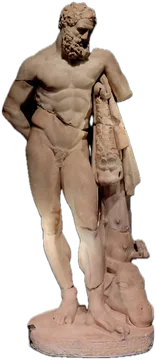
Brother through father · Sources
Братство или сестринство выведено из общего родителя: Зевс. Матери и отцы, не указанные в источнике, не предполагаются. Квалификация братства/сестринства: Илиада: Общий отец подтверждён; сведения о матерях неполны. Различие матерей не установлено. Общие родители: Зевс.
Wikidata: Зевс — пол родителя · P21 Wikidata: Зевс — роль родителя · P22And so suffered monstrous Hades even as the rest a bitter arrow, when this same man, the son of Zeus that beareth the aegis, smote him in Pylos amid the dead, and gave him over to pains. But he went to the house of Zeus and to high Olympus with grief at heart, pierced through with pains;
howbeit mine own father rageth with evil mind, cruel that he is, ever froward, a thwarter of my purposes; neither hath he any memory of this, that full often I saved his son when he was fordone by reason of Eurystheus' tasks. For verily he would make lament toward heaven and from heaven would Zeussend me forth to succour him. Had I but known all this in wisdom of my heart when Eurystheus sent him forth to the house of Hades the Warder, to bring from out of Erebus the hound of loathed Hades, then had he not escaped the sheer-falling waters of Styx.
Deemest thou that Zeus, whose voice is borne afar, will aid the Trojans, even as he waxed wroth for the sake of Heracles, his own son? Nay, come, I will give thee one of the youthful Graces to wed to be called thy wife, even Pasithea, for whom thou ever longest all thy days.
Il. 5.396 · Il. 8.363–365 · Il. 14.266 · Il. 14.324 · Il. 14.434 · Il. 21.2 · Il. 24.693
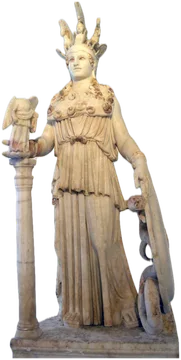
Sister through father · Sources
Братство или сестринство выведено из общего родителя: Зевс. Матери и отцы, не указанные в источнике, не предполагаются. Квалификация братства/сестринства: Илиада: Общий отец подтверждён; сведения о матерях неполны. Различие матерей не установлено. Общие родители: Зевс.
Wikidata: Зевс — роль родителя · P22 Wikidata: Зевс — роль родителя · P22Then he addressed her with winged words, and said: Why now, daughter of aegis-bearing Zeus, have you come? Is it so that you might see the arrogance of Agamemnon, son of Atreus? One thing I will tell you, and I think this will be brought to pass: through his own excessive pride shall he presently lose his life.
And with him there followed forty black ships. And they that held Athens, the well-built citadel, the land of great-hearted Erechtheus, whom of old Athene, daughter of Zeus, fostered, when the earth, the giver of grain, had borne him; and she made him to dwell in Athens, in her own rich sanctuary,
So would many a one of Achaeans and Trojans speak. But Athene entered the throng of the Trojans in the guise of a man, even of Laodocus, son of Antenor, a valiant spearman, in quest of god-like Pandarus, if haply she might find him. And she found Lycaon's son, peerless and stalwart,
Il. 1.202 · Il. 2.548 · Il. 4.87 · Il. 4.128 · Il. 4.515 · Il. 5.33 · Il. 5.115 · Il. 5.421 · Il. 5.714 · Il. 5.733 · Il. 5.815 · Il. 5.875–880 · Il. 6.303–304 · Il. 6.312 · Il. 7.24 · Il. 8.39 · Il. 8.352 · Il. 8.384 · Il. 8.427 · Il. 10.278 · Il. 10.284 · Il. 10.553 · Il. 14.434 · Il. 19.342 · Il. 21.2 · Il. 21.416 · Il. 22.178 · Il. 24.693
See all 24
In art

Auguste Couder. Water, or the Fight of Achilles against Scamander and Simoeis. Department of Paintings of the Louvre. Public domain. https://www.wikidata.org/wiki/Q29862700
Photograph / reproduction: Marie-Lan Nguyen
Photograph / reproduction date: 2008
Auguste Couder. Water, or the Fight of Achilles against Scamander and Simoeis. Department of Paintings of the Louvre. Public domain. https://www.wikidata.org/wiki/Q29862700
Photograph / reproduction: Marie-Lan Nguyen
Photograph / reproduction date: 2008
See all 1
Sources and verification
The character is matched to the catalogue.
- Wikipedia · Scamander · CC BY-SA 4.0
Excerpt; remaining sentences omitted.
Reference material remains distinct from the poem’s assertions. Characters who share a name retain separate pages.