Ganymede
Mortal man
In Greek mythology, Ganymede ( GAN-im-eed) or Ganymedes ( GAN-im-EE-deez; Ancient Greek: Γανυμήδης, romanized: Ganymēdēs) is a divine hero whose homeland was Troy. Homer describes Ganymede as the most handsome of mortals and tells the story of how he was abducted by the gods to serve as Zeus's cup-bearer in Olympus.
Explore on the graph- Mentions
- 2
- Connected characters
- 4
- Books
- 2


Mentions in the Iliad
A. T. Murray, Loeb Classical Library, Harvard University Press, 1924 · Homer, Iliad with an English Translation · CC BY-SA 3.0 US
“For they are of that stock wherefrom Zeus, whose voice is borne afar, gave to Tros recompense for his son Ganymedes, for that they were the best of all horses that are beneath the dawn and the sun. Of this stock the king of men Anchises stole a breed, putting his mares to them while Laomedon knew naught thereof.”
“And Erichthonius begat Tros to be king among the Trojans, and from Tros again three peerless sons were born, Ilus, and Assaracus, and godlike Ganymedes that was born the fairest of mortal men; wherefore the gods caught him up on high to be cupbearer to Zeus by reason of his beauty, that he might dwell with the immortals.”
See all 2
Connections
Father · Sources
For they are of that stock wherefrom Zeus, whose voice is borne afar, gave to Tros recompense for his son Ganymedes, for that they were the best of all horses that are beneath the dawn and the sun. Of this stock the king of men Anchises stole a breed, putting his mares to them while Laomedon knew naught thereof.
And Erichthonius begat Tros to be king among the Trojans, and from Tros again three peerless sons were born, Ilus, and Assaracus, and godlike Ganymedes that was born the fairest of mortal men; wherefore the gods caught him up on high to be cupbearer to Zeus by reason of his beauty, that he might dwell with the immortals.
Il. 5.266 · Il. 20.231–232
Brother through father · Sources
Братство или сестринство выведено из общего родителя: Трос. Матери и отцы, не указанные в источнике, не предполагаются. Квалификация братства/сестринства: Илиада: Общий отец подтверждён; сведения о матерях неполны. Различие матерей не установлено. Общие родители: Трос (отец Ганимеда).
Гомер, Илиада — роль родителя · Ил. 20.230–232For they are of that stock wherefrom Zeus, whose voice is borne afar, gave to Tros recompense for his son Ganymedes, for that they were the best of all horses that are beneath the dawn and the sun. Of this stock the king of men Anchises stole a breed, putting his mares to them while Laomedon knew naught thereof.
And Erichthonius begat Tros to be king among the Trojans, and from Tros again three peerless sons were born, Ilus, and Assaracus, and godlike Ganymedes that was born the fairest of mortal men; wherefore the gods caught him up on high to be cupbearer to Zeus by reason of his beauty, that he might dwell with the immortals.
Il. 5.266 · Il. 20.231–232
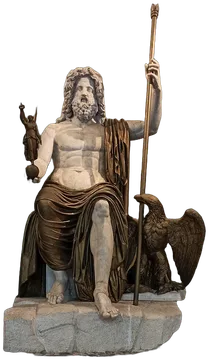
Master · Sources
Описание прямо называет Ганимеда виночерпием Зевса; 20.234–235: боги унесли его вино разливать для Кронида.
And Erichthonius begat Tros to be king among the Trojans, and from Tros again three peerless sons were born, Ilus, and Assaracus, and godlike Ganymedes that was born the fairest of mortal men; wherefore the gods caught him up on high to be cupbearer to Zeus by reason of his beauty, that he might dwell with the immortals.And Ilus again begat a son, peerless Laomedon, and Laomedon begat Tithonus and Priam and Clytius, and Hicetaon, scion of Ares. And Assaracus begat Capys, and he Anchises; but Anchises begat me and Priam goodly Hector.
Il. 20.232–235
See all 4
In art

Anton Raphael Mengs. Zeus kisses Ganymede. Galleria Nazionale d'Arte Antica. CC0. https://www.wikidata.org/wiki/Q131579687
Anton Raphael Mengs. Zeus kisses Ganymede. Galleria Nazionale d'Arte Antica. CC0. https://www.wikidata.org/wiki/Q131579687

Viktor Tilgner. Фонтан Ганимед. Public domain. https://www.wikidata.org/wiki/Q12165965
Photograph / reproduction: Viktor Oskar Tilgner (sculptor) - cc-by-3.0 Peter Zelizňák (photo)
Photograph / reproduction date: 2008-11-06
Viktor Tilgner. Фонтан Ганимед. Public domain. https://www.wikidata.org/wiki/Q12165965
Photograph / reproduction: Viktor Oskar Tilgner (sculptor) - cc-by-3.0 Peter Zelizňák (photo)
Photograph / reproduction date: 2008-11-06
Viktor Oskar Tilgner (sculptor) - cc-by-3.0 Peter Zelizňák (photo). Prevteleny Zeus unáša Ganymedesa. собрание не указано. Public domain. https://commons.wikimedia.org/wiki/File%3APrevteleny_Zeus_un%C3%A1%C5%A1a_Ganymedesa.jpg
Photograph / reproduction: Viktor Oskar Tilgner (sculptor) - cc-by-3.0 Peter Zelizňák (photo)
Photograph / reproduction date: 2009-03-05
Radler59 ( talk ). Bratislava Slovak National Theatre Old-04. собрание не указано. CC BY-SA 4.0. https://commons.wikimedia.org/wiki/File%3ABratislava_Slovak_National_Theatre_Old-04.jpg
Photograph / reproduction: Radler59 (talk)
Photograph / reproduction date: 2017-09-01
Валерий Дед. Братиславкий театр - panoramio. собрание не указано. CC BY 3.0. https://commons.wikimedia.org/wiki/File%3A%D0%91%D1%80%D0%B0%D1%82%D0%B8%D1%81%D0%BB%D0%B0%D0%B2%D0%BA%D0%B8%D0%B9_%D1%82%D0%B5%D0%B0%D1%82%D1%80_-_panoramio.jpg
Photograph / reproduction: Валерий Дед
Photograph / reproduction date: 2 April 2014 (original upload date)
Jozef Kotulič. Slovakia Bratislava 77. собрание не указано. CC BY-SA 3.0. https://commons.wikimedia.org/wiki/File%3ASlovakia_Bratislava_77.jpg
Photograph / reproduction: Jozef Kotulič
Photograph / reproduction date: 6.8.2007
Josef Löwy. Victor Tilgner - 41 - Ganymed-Brunnen in Bratislava - Pressburg. собрание не указано. Public domain. https://commons.wikimedia.org/wiki/File%3AVictor_Tilgner_-_41_-_Ganymed-Brunnen_in_Bratislava_-_Pressburg.jpg
Photograph / reproduction: Josef Löwy
Photograph / reproduction date: Wien, um 1900
Валерий Дед. 2014 - panoramio (39). собрание не указано. CC BY 3.0. https://commons.wikimedia.org/wiki/File%3A2014_-_panoramio_%2839%29.jpg
Photograph / reproduction: Валерий Дед
Photograph / reproduction date: 2 April 2014 (original upload date)
Radler59 ( talk ). Bratislava Slovak National Theatre Old-05. собрание не указано. CC BY-SA 4.0. https://commons.wikimedia.org/wiki/File%3ABratislava_Slovak_National_Theatre_Old-05.jpg
Photograph / reproduction: Radler59 (talk)
Photograph / reproduction date: 2017-09-01
Krzysztof Golik. Ganymede's fountain in Bratislava. собрание не указано. CC BY-SA 4.0. https://commons.wikimedia.org/wiki/File%3AGanymede%27s_fountain_in_Bratislava.jpg
Photograph / reproduction: Krzysztof Golik
Photograph / reproduction date: 2021-10-15 14:59:45
Doko Ing. Mgr. Jozef Kotulič. Bratislava10Slovakia128. собрание не указано. CC BY-SA 3.0. https://commons.wikimedia.org/wiki/File%3ABratislava10Slovakia128.jpg
Photograph / reproduction: Doko Ing. Mgr. Jozef Kotulič
Photograph / reproduction date: 2010-09-07
Pedro J Pacheco. Ganymedova fontána. собрание не указано. CC BY-SA 3.0. https://commons.wikimedia.org/wiki/File%3AGanymedova_font%C3%A1na.jpg
Photograph / reproduction: Pedro J Pacheco
Photograph / reproduction date: 2014-08-23 11:50:13
Viktor Oskar Tilgner (sculptor) - cc-by-3.0 Peter Zelizňák (photo). Bratislava Postava dietata na sokli Ganymedovej fontany. собрание не указано. Public domain. https://commons.wikimedia.org/wiki/File%3ABratislava_Postava_dietata_na_sokli_Ganymedovej_fontany.jpg
Photograph / reproduction: Viktor Oskar Tilgner (sculptor) - cc-by-3.0 Peter Zelizňák (photo)
Photograph / reproduction date: 2009-04-13
Bybbisch94, Christian Gebhardt. 20230501.Ansicht von Bratislava.-105. собрание не указано. CC BY-SA 4.0. https://commons.wikimedia.org/wiki/File%3A20230501.Ansicht_von_Bratislava.-105.jpg
Photograph / reproduction: Bybbisch94, Christian Gebhardt
Photograph / reproduction date: 2023-05-01 16:58:44
Валерий Дед. 2014-03-22 - panoramio (1). собрание не указано. CC BY 3.0. https://commons.wikimedia.org/wiki/File%3A2014-03-22_-_panoramio_%281%29.jpg
Photograph / reproduction: Валерий Дед
Photograph / reproduction date: 2 April 2014 (original upload date)
Guillaume Speurt from Vilnius, Lithuania. Opera of the Slovak National Theatre (8405368355). собрание не указано. CC BY-SA 2.0. https://commons.wikimedia.org/wiki/File%3AOpera_of_the_Slovak_National_Theatre_%288405368355%29.jpg
Photograph / reproduction: Guillaume Speurt from Vilnius, Lithuania
Photograph / reproduction date: 2 January 2013, 15:15 (according to Exif data)
Doko Ing. Mgr. Jozef Kotulič. Bratislava10Slovakia81. собрание не указано. CC BY-SA 3.0. https://commons.wikimedia.org/wiki/File%3ABratislava10Slovakia81.JPG
Photograph / reproduction: Doko Ing. Mgr. Jozef Kotulič
Photograph / reproduction date: 2010-04-02
Jozef Kotulič. Slovakia Bratislava 80. собрание не указано. CC BY-SA 3.0. https://commons.wikimedia.org/wiki/File%3ASlovakia_Bratislava_80.jpg
Photograph / reproduction: Jozef Kotulič
Photograph / reproduction date: 6.8.2007
Ing.Mgr.Jozef Kotulič. Selection 16 Slovakia33. собрание не указано. CC BY-SA 4.0. https://commons.wikimedia.org/wiki/File%3ASelection_16_Slovakia33.jpg
Photograph / reproduction: Ing.Mgr.Jozef Kotulič
Photograph / reproduction date: 2006-08-19 13:23:38
Peter Porubcan. Bratislava ganymedova fontana. собрание не указано. CC BY 3.0. https://commons.wikimedia.org/wiki/File%3ABratislava_ganymedova_fontana.jpg
Photograph / reproduction: Peter Porubcan
Photograph / reproduction date: 2012-08-16
Doko Ing. Mgr. Jozef Kotulič. Bratislava10Slovakia82. собрание не указано. CC BY-SA 3.0. https://commons.wikimedia.org/wiki/File%3ABratislava10Slovakia82.JPG
Photograph / reproduction: Doko Ing. Mgr. Jozef Kotulič
Photograph / reproduction date: 2010-04-02
Guillaume Speurt from Vilnius, Lithuania. Fountain in Bratislava (8405372171). собрание не указано. CC BY-SA 2.0. https://commons.wikimedia.org/wiki/File%3AFountain_in_Bratislava_%288405372171%29.jpg
Photograph / reproduction: Guillaume Speurt from Vilnius, Lithuania
Photograph / reproduction date: 2 January 2013, 15:17 (according to Exif data)
Viktor Oskar Tilgner (sculptor) - cc-by-3.0 Peter Zelizňák (photo). Bratislava Postava dietata na sokli Ganymedovej fontany3. собрание не указано. Public domain. https://commons.wikimedia.org/wiki/File%3ABratislava_Postava_dietata_na_sokli_Ganymedovej_fontany3.jpg
Photograph / reproduction: Viktor Oskar Tilgner (sculptor) - cc-by-3.0 Peter Zelizňák (photo)
Photograph / reproduction date: 2009-04-13
Radler59 ( talk ). Bratislava Slovak National Theatre Old-03. собрание не указано. CC BY-SA 4.0. https://commons.wikimedia.org/wiki/File%3ABratislava_Slovak_National_Theatre_Old-03.jpg
Photograph / reproduction: Radler59 (talk)
Photograph / reproduction date: 2017-09-01
JoJan. Bratislava 106. собрание не указано. CC BY 3.0. https://commons.wikimedia.org/wiki/File%3ABratislava_106.jpg
Photograph / reproduction: JoJan
Photograph / reproduction date: 2011-05-24
Radler59 ( talk ). Bratislava Slovak National Theatre Old-01. собрание не указано. CC BY-SA 4.0. https://commons.wikimedia.org/wiki/File%3ABratislava_Slovak_National_Theatre_Old-01.jpg
Photograph / reproduction: Radler59 (talk)
Photograph / reproduction date: 2017-09-01
Erik Cleves Kristensen. National Theater of Slovakia (27408847491). собрание не указано. CC BY 2.0. https://commons.wikimedia.org/wiki/File%3ANational_Theater_of_Slovakia_%2827408847491%29.jpg
Photograph / reproduction: Erik Cleves Kristensen
Photograph / reproduction date: Taken on 28 May 2016, 14:54
Josef Löwy. Ganymed-Brunnen-Bratislava. собрание не указано. Public domain. https://commons.wikimedia.org/wiki/File%3AGanymed-Brunnen-Bratislava.jpg
Photograph / reproduction: Josef Löwy
Photograph / reproduction date: 1897
Viktor Oskar Tilgner (sculptor) - cc-by-3.0 Peter Zelizňák (photo). Bratislava Postava dietata na sokli Ganymedovej fontany1. собрание не указано. Public domain. https://commons.wikimedia.org/wiki/File%3ABratislava_Postava_dietata_na_sokli_Ganymedovej_fontany1.jpg
Photograph / reproduction: Viktor Oskar Tilgner (sculptor) - cc-by-3.0 Peter Zelizňák (photo)
Photograph / reproduction date: 2009-04-13
Doko Ing. Mgr. Jozef Kotulič. Bratislava10Slovakia80. собрание не указано. CC BY-SA 3.0. https://commons.wikimedia.org/wiki/File%3ABratislava10Slovakia80.JPG
Photograph / reproduction: Doko Ing. Mgr. Jozef Kotulič
Photograph / reproduction date: 2010-04-02
Guillaume Speurt from Vilnius, Lithuania. Opera of the Slovak National Theatre (8406458622). собрание не указано. CC BY-SA 2.0. https://commons.wikimedia.org/wiki/File%3AOpera_of_the_Slovak_National_Theatre_%288406458622%29.jpg
Photograph / reproduction: Guillaume Speurt from Vilnius, Lithuania
Photograph / reproduction date: 2 January 2013, 15:15 (according to Exif data)
Jozef Kotulič. Slovakia Bratislava 78. собрание не указано. CC BY-SA 3.0. https://commons.wikimedia.org/wiki/File%3ASlovakia_Bratislava_78.jpg
Photograph / reproduction: Jozef Kotulič
Photograph / reproduction date: 2007-08-06
Bybbisch94, Christian Gebhardt. 20230501.Ansicht von Bratislava.-106. собрание не указано. CC BY-SA 4.0. https://commons.wikimedia.org/wiki/File%3A20230501.Ansicht_von_Bratislava.-106.jpg
Photograph / reproduction: Bybbisch94, Christian Gebhardt
Photograph / reproduction date: 2023-05-01 16:58:57
Viktor Oskar Tilgner (sculptor) - cc-by-3.0 Peter Zelizňák (photo). Bratislava Postava dietata na sokli Ganymedovej fontany4. собрание не указано. Public domain. https://commons.wikimedia.org/wiki/File%3ABratislava_Postava_dietata_na_sokli_Ganymedovej_fontany4.jpg
Photograph / reproduction: Viktor Oskar Tilgner (sculptor) - cc-by-3.0 Peter Zelizňák (photo)
Photograph / reproduction date: 2009-04-13
Bybbisch94, Christian Gebhardt. 20230501.Ansicht von Bratislava.-104. собрание не указано. CC BY-SA 4.0. https://commons.wikimedia.org/wiki/File%3A20230501.Ansicht_von_Bratislava.-104.jpg
Photograph / reproduction: Bybbisch94, Christian Gebhardt
Photograph / reproduction date: 2023-05-01 16:58:23
Pedro J Pacheco. Teatro Nacional de Eslovaquia. собрание не указано. CC BY-SA 3.0. https://commons.wikimedia.org/wiki/File%3ATeatro_Nacional_de_Eslovaquia.jpg
Photograph / reproduction: Pedro J Pacheco
Photograph / reproduction date: 2014-08-23 11:52:30
Viktor Oskar Tilgner (sculptor) - cc-by-3.0 Peter Zelizňák (photo). Bratislava bronzova plastika na Ganymedovej fontane. собрание не указано. Public domain. https://commons.wikimedia.org/wiki/File%3ABratislava_bronzova_plastika_na_Ganymedovej_fontane.jpg
Photograph / reproduction: Viktor Oskar Tilgner (sculptor) - cc-by-3.0 Peter Zelizňák (photo)
Photograph / reproduction date: 2009-04-20
Radosław Botev & Sylwia Botev. Ganymede's fountain, Bratislava (1). собрание не указано. CC BY 3.0 pl. https://commons.wikimedia.org/wiki/File%3AGanymede%27s_fountain%2C_Bratislava_%281%29.jpg
Photograph / reproduction: Radosław Botev & Sylwia Botev
Photograph / reproduction date: 2018-05-02 09:37:02
Ing. Mgr. Jozef Kotulič. Ganymedova fontána, Bratislava WMP 20 Slovakia 6. собрание не указано. CC BY-SA 4.0. https://commons.wikimedia.org/wiki/File%3AGanymedova_font%C3%A1na%2C_Bratislava_WMP_20_Slovakia_6.jpg
Photograph / reproduction: Ing. Mgr. Jozef Kotulič
Photograph / reproduction date: 2010-04-03 13:16:21
Ing.Mgr.Jozef Kotulič. Ganymedova fontána, Bratislava WMP 20 Slovakia 1. собрание не указано. CC BY-SA 4.0. https://commons.wikimedia.org/wiki/File%3AGanymedova_font%C3%A1na%2C_Bratislava_WMP_20_Slovakia_1.jpg
Photograph / reproduction: Ing.Mgr.Jozef Kotulič
Photograph / reproduction date: 2010-04-03 13:16:21
Ing.Mgr.Jozef Kotulič. Ganymedova fontána, Bratislava WMP 20 Slovakia. собрание не указано. CC BY-SA 4.0. https://commons.wikimedia.org/wiki/File%3AGanymedova_font%C3%A1na%2C_Bratislava_WMP_20_Slovakia.jpg
Photograph / reproduction: Ing.Mgr.Jozef Kotulič
Photograph / reproduction date: 2010-04-03 13:16:21
Ing.Mgr. Jozef Kotulič. Ganymedova fontána, Bratislava WMP 20 Slovakia 5. собрание не указано. CC BY-SA 4.0. https://commons.wikimedia.org/wiki/File%3AGanymedova_font%C3%A1na%2C_Bratislava_WMP_20_Slovakia_5.jpg
Photograph / reproduction: Ing.Mgr. Jozef Kotulič
Photograph / reproduction date: 2010-04-03 13:16:21
Ing.Mgr.Jozef Kotulič. Ganymedova fontána, Bratislava WMP 20 Slovakia 2. собрание не указано. CC BY-SA 4.0. https://commons.wikimedia.org/wiki/File%3AGanymedova_font%C3%A1na%2C_Bratislava_WMP_20_Slovakia_2.jpg
Photograph / reproduction: Ing.Mgr.Jozef Kotulič
Photograph / reproduction date: 2006-08-19 13:23:38
Radosław Botev. Grassalkovich Palace and Ganymede's Fountain, Bratislava 2005. собрание не указано. CC BY 3.0 pl. https://commons.wikimedia.org/wiki/File%3AGrassalkovich_Palace_and_Ganymede%27s_Fountain%2C_Bratislava_2005.jpg
Photograph / reproduction: Radosław Botev
Photograph / reproduction date: 2005-05
Random photos 1989. Bratislava, Pozsony, 27. собрание не указано. CC0. https://commons.wikimedia.org/wiki/File%3ABratislava%2C_Pozsony%2C_27.jpg
Photograph / reproduction: Random photos 1989
Photograph / reproduction date: 2024-10-26 15:03:20
Radosław Botev & Sylwia Botev. Ganymede's fountain, Bratislava (2). собрание не указано. CC BY 3.0 pl. https://commons.wikimedia.org/wiki/File%3AGanymede%27s_fountain%2C_Bratislava_%282%29.jpg
Photograph / reproduction: Radosław Botev & Sylwia Botev
Photograph / reproduction date: 2018-05-02 09:37:11
Ing.Mgr.Jozef Kotulič. Ganymedova fontána, Bratislava WMP 20 Slovakia 4. собрание не указано. CC BY-SA 4.0. https://commons.wikimedia.org/wiki/File%3AGanymedova_font%C3%A1na%2C_Bratislava_WMP_20_Slovakia_4.jpg
Photograph / reproduction: Ing.Mgr.Jozef Kotulič
Photograph / reproduction date: 2020-10-21 12:52:55
Ing.Mgr.Jozef Kotulič. Ganymedova fontána, Bratislava WMP 20 Slovakia 3. собрание не указано. CC BY-SA 4.0. https://commons.wikimedia.org/wiki/File%3AGanymedova_font%C3%A1na%2C_Bratislava_WMP_20_Slovakia_3.jpg
Photograph / reproduction: Ing.Mgr.Jozef Kotulič
Photograph / reproduction date: 2006-08-19 13:23:38
FOTO:Fortepan — ID 51262 : Adományozó/Donor: Nagy Gyula. archive copy at the Wayback Machine. Hviezdoslavovo námestie, Nemzeti Színház, előtte a Ganümédesz-kút. Fortepan 51262. собрание не указано. CC BY-SA 3.0. https://commons.wikimedia.org/wiki/File%3AHviezdoslavovo_n%C3%A1mestie%2C_Nemzeti_Sz%C3%ADnh%C3%A1z%2C_el%C5%91tte_a_Gan%C3%BCm%C3%A9desz-k%C3%BAt._Fortepan_51262.jpg
Photograph / reproduction: FOTO:Fortepan — ID 51262: Adományozó/Donor: Nagy Gyula. archive copy at the Wayback Machine
Photograph / reproduction date: 1958
Random photos 1989. Bratislava, Pozsony, 28. собрание не указано. CC0. https://commons.wikimedia.org/wiki/File%3ABratislava%2C_Pozsony%2C_28.jpg
Photograph / reproduction: Random photos 1989
Photograph / reproduction date: 2024-10-26 15:03:29
Doko Jozef Kotulič. Bratislava Slovakia, fontána pred SND. собрание не указано. CC BY 4.0. https://commons.wikimedia.org/wiki/File%3ABratislava_Slovakia%2C_font%C3%A1na_pred_SND.jpg
Photograph / reproduction: Doko Jozef Kotulič
Photograph / reproduction date: 2006-08-19 13:23:38

Jean Housen. 20190507 060 olympia museum. собрание не указано. CC BY-SA 4.0. https://commons.wikimedia.org/wiki/File%3A20190507_060_olympia_museum.jpg
Photograph / reproduction: Jean Housen
Photograph / reproduction date: 2019-05-07 09:13:59
Jean Housen. 20190507 060 olympia museum. собрание не указано. CC BY-SA 4.0. https://commons.wikimedia.org/wiki/File%3A20190507_060_olympia_museum.jpg
Photograph / reproduction: Jean Housen
Photograph / reproduction date: 2019-05-07 09:13:59
Joanbanjo. Зевс и Ганимед. Archaeological Museum of Olympia. CC BY-SA 3.0. https://www.wikidata.org/wiki/Q167486
Photograph / reproduction: Joanbanjo
Photograph / reproduction date: 2011-04-08
DS. Zeus-Gany-sculpt1. собрание не указано. CC BY-SA 3.0. https://commons.wikimedia.org/wiki/File%3AZeus-Gany-sculpt1.jpg
Photograph / reproduction: DS
Photograph / reproduction date: 12 October 2004 (original upload date)
rene boulay. Grece Olympie Musee Zeus Enlevant Clytemnestre - panoramio. собрание не указано. CC BY-SA 3.0. https://commons.wikimedia.org/wiki/File%3AGrece_Olympie_Musee_Zeus_Enlevant_Clytemnestre_-_panoramio.jpg
Photograph / reproduction: rene boulay
Photograph / reproduction date: 20 January 2015 (original upload date)
Holger Uwe Schmitt. + 1975 wurde das neue Gebäude des archäologischen Museums in Olympia eröffnet. 36. собрание не указано. CC BY-SA 4.0. https://commons.wikimedia.org/wiki/File%3A%2B_1975_wurde_das_neue_Geb%C3%A4ude_des_arch%C3%A4ologischen_Museums_in_Olympia_er%C3%B6ffnet._36.jpg
Photograph / reproduction: Holger Uwe Schmitt
Photograph / reproduction date: 2022-10-09 10:58:06
Erik Drost. Olympia Museum (5986603265). собрание не указано. CC BY 2.0. https://commons.wikimedia.org/wiki/File%3AOlympia_Museum_%285986603265%29.jpg
Photograph / reproduction: Erik Drost
Photograph / reproduction date: 2010-03-26 00:01
Dennis G. Jarvis. Greece-0641. собрание не указано. CC BY-SA 2.0. https://commons.wikimedia.org/wiki/File%3AGreece-0641.jpg
Photograph / reproduction: Dennis G. Jarvis
Photograph / reproduction date: 2005-10-04 17:25:05
Made by Numbers. Olympiamuseum007. собрание не указано. CC BY-SA 2.0. https://commons.wikimedia.org/wiki/File%3AOlympiamuseum007.jpg
Photograph / reproduction: Made by Numbers
Photograph / reproduction date: 2014-09-22 07:30
Ismoon ( talk ) 15:23, 16 August 2022 (UTC). Zeus and Ganymede-2. собрание не указано. CC BY-SA 4.0. https://commons.wikimedia.org/wiki/File%3AZeus_and_Ganymede-2.jpg
Photograph / reproduction: Ismoon (talk) 15:23, 16 August 2022 (UTC)
Photograph / reproduction date: 2022-08-16
troy mckaskle from SF Bay Area. Zeus and Ganymede. собрание не указано. CC BY-SA 2.0. https://commons.wikimedia.org/wiki/File%3AZeus_and_Ganymede.jpg
Photograph / reproduction: troy mckaskle from SF Bay Area
Photograph / reproduction date: 2011-09-12 06:20
Joyofmuseums. Statue of Zeus and Ganymede - Archaeological Museum of Olympia by Joy of Museums. собрание не указано. CC BY-SA 4.0. https://commons.wikimedia.org/wiki/File%3AStatue_of_Zeus_and_Ganymede_-_Archaeological_Museum_of_Olympia_by_Joy_of_Museums.jpg
Photograph / reproduction: Joyofmuseums
Photograph / reproduction date: 2018-08-30

Peter Paul Rubens. Ganymede receives the bowl from Hebe. Palais Schwarzenberg. Public domain. https://www.wikidata.org/wiki/Q111188757
Peter Paul Rubens. Ganymede receives the bowl from Hebe. Palais Schwarzenberg. Public domain. https://www.wikidata.org/wiki/Q111188757

Peter Paul Rubens. Study for the Abduction of Ganymede. Public domain. https://www.wikidata.org/wiki/Q111417696
Peter Paul Rubens. Study for the Abduction of Ganymede. Public domain. https://www.wikidata.org/wiki/Q111417696

George Frederic Watts. Ganymede. Public domain. https://www.wikidata.org/wiki/Q114649116
George Frederic Watts. Ganymede. Public domain. https://www.wikidata.org/wiki/Q114649116


Richard Evans. Ganymede Feeding the Eagle. Victoria and Albert Museum. Public domain. https://www.wikidata.org/wiki/Q119705822
Richard Evans. Ganymede Feeding the Eagle. Victoria and Albert Museum. Public domain. https://www.wikidata.org/wiki/Q119705822
See all 160
Sources and verification
The character is matched to the catalogue.
- Wikipedia · Ganymede (mythology) · CC BY-SA 4.0
Excerpt; remaining sentences omitted.
Reference material remains distinct from the poem’s assertions. Characters who share a name retain separate pages.