Astyanax
Mortal man
In Greek mythology, Astyanax (; Ancient Greek: Ἀστυάναξ Astyánax, "king of the city" coming from the ancient greek words "ἄστυ" meaning city and "ἄναξ" meaning wanax or king) was the son of Hector, the crown prince of Troy, and of his wife, Princess Andromache of Cilician Thebe.
Explore on the graph- Mentions
- 10
- Connected characters
- 2
- Books
- 3


Mentions in the Iliad
A. T. Murray, Loeb Classical Library, Harvard University Press, 1924 · Homer, Iliad with an English Translation · CC BY-SA 3.0 US
“For I shall go to my home, that I may behold my housefolk, my dear wife, and my infant son; for I know not if any more I shall return home to them again, or if even now the gods will slay me beneath the hands of the Achaeans. So saying, Hector of the flashing helm departed,”
“fair-tressed Trojan women are seeking to propitiate the dread goddess; but she went to the great wall of Ilios, for that she heard the Trojans were sorely pressed, and great victory rested with the Achaeans. So is she gone in haste to the wall, like one beside herself; and with her the nurse beareth the child.”
“the tender boy, a mere babe, the well-loved son of Hector, like to a fair star. Him Hector was wont to call Scamandrius, but other men Astyanax; for only Hector guarded Ilios. Then Hector smiled, as he glanced at his boy in silence,”
“thou art brother, and thou art my stalwart husband. Come now, have pity, and remain here on the wall, lest thou make thy child an orphan and thy wife a widow. And for thy host, stay it by the wild fig-tree, where the city may best be scaled, and the wall is open to assault.”
“ere I hear thy cries as they hale thee into captivity. So saying, glorious Hector stretched out his arms to his boy, but back into the bosom of his fair-girdled nurse shrank the child crying, affrighted at the aspect of his dear father, and seized with dread of the bronze and the crest of horse-hair,”
“and may he bear the blood-stained spoils of the foeman he hath slain, and may his mother's heart wax glad. So saying, he laid his child in his dear wife's arms, and she took him to her fragrant bosom, smiling through her tears; and her husband was touched with pity at sight of her,”
“in the house of Eetion, who reared me when I was a babe, hapless father of a cruel-fated child; would God he had never begotten me. Now thou unto the house of Hades beneath the deeps of earth art departing, but me thou leavest in bitter grief, a widow in thy halls,”
See all 10
Connections
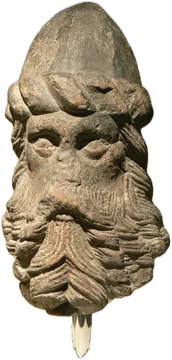
Father · Sources
For I shall go to my home, that I may behold my housefolk, my dear wife, and my infant son; for I know not if any more I shall return home to them again, or if even now the gods will slay me beneath the hands of the Achaeans. So saying, Hector of the flashing helm departed,
the tender boy, a mere babe, the well-loved son of Hector, like to a fair star. Him Hector was wont to call Scamandrius, but other men Astyanax; for only Hector guarded Ilios. Then Hector smiled, as he glanced at his boy in silence,
the tender boy, a mere babe, the well-loved son of Hector, like to a fair star. Him Hector was wont to call Scamandrius, but other men Astyanax; for only Hector guarded Ilios. Then Hector smiled, as he glanced at his boy in silence,
Il. 6.366 · Il. 6.400–401 · Il. 6.404 · Il. 6.431–432 · Il. 6.466 · Il. 6.483 · Il. 22.484 · Il. 22.505–506 · Il. 24.36 · Il. 24.727
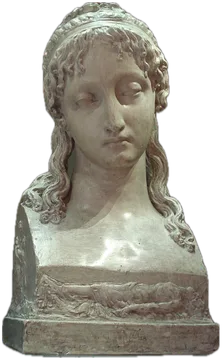
Mother · Sources
and came speedily to his well-built house. But he found not white-armed Andromache in his halls; she with her child and a fair-robed handmaiden had taken her stand upon the wall, weeping and wailing. So Hector when he found not his peerless wife within,
the tender boy, a mere babe, the well-loved son of Hector, like to a fair star. Him Hector was wont to call Scamandrius, but other men Astyanax; for only Hector guarded Ilios. Then Hector smiled, as he glanced at his boy in silence,
but Andromache came close to his side weeping, and clasped his hand and spake to him, saying: Ah, my husband, this prowess of thine will be thy doom, neither hast thou any pity for thine infant child nor for hapless me that soon shall be thy widow; for soon will the Achaeans
Il. 6.371–372 · Il. 6.400–401 · Il. 6.407–408 · Il. 6.431–432 · Il. 6.471 · Il. 6.483 · Il. 22.484 · Il. 22.499 · Il. 24.727
See all 2
In art

Jacques-Louis David. Andromache Mourning Hector (The Sorrow of Andromache) by Jacques-Louis David, 1783, Pushkin Museum. собрание не указано. Public domain. https://commons.wikimedia.org/wiki/File%3AAndromache_Mourning_Hector_%28The_Sorrow_of_Andromache%29_by_Jacques-Louis_David%2C_1783%2C_Pushkin_Museum.JPG
Photograph / reproduction: Jacques-Louis David
Photograph / reproduction date: 1783
Jacques-Louis David. Andromache Mourning Hector. Department of Paintings of the Louvre. Public domain. https://www.wikidata.org/wiki/Q3208369
Photograph / reproduction: Jacques-Louis David
Photograph / reproduction date: 1783
Jacques-Louis David. Jacques-louis-david-andromache-mourning-the-death-of-hector. собрание не указано. Public domain. https://commons.wikimedia.org/wiki/File%3AJacques-louis-david-andromache-mourning-the-death-of-hector.jpg
Photograph / reproduction: Jacques-Louis David
Jacques-Louis David. French: La Douleur et les Regrets d'Andromaque sur le corps d'Hector son mari The Grief of Andromache title QS:P1476,fr:"La Douleur et les Regrets d'Andromaque sur le corps d'Hector son mari" label QS:Lfr,"La Douleur et les Regrets d'Andromaque sur le corps d'Hector son mari" label QS:Len,"The Grief of Andromache". собрание не указано. Public domain. https://commons.wikimedia.org/wiki/File%3AJacques-Louis_David_-_The_Grief_of_Andromache.JPG
Photograph / reproduction: Jacques-Louis David
Photograph / reproduction date: 1782
Jacques-Louis David. French: La Douleur et les Regrets d'Andromaque sur le corps d'Hector son mari The Grief of Andromache title QS:P1476,fr:"La Douleur et les Regrets d'Andromaque sur le corps d'Hector son mari" label QS:Lfr,"La Douleur et les Regrets d'Andromaque sur le corps d'Hector son mari" label QS:Len,"The Grief of Andromache". собрание не указано. Public domain. https://commons.wikimedia.org/wiki/File%3AJacques-Louis_David_-_The_Grief_of_Andromache_-_WGA06106.jpg
Photograph / reproduction: Jacques-Louis David
Photograph / reproduction date: 1782
Jacques-Louis David. David - Andromache mourning Hector, lot.158. собрание не указано. Public domain. https://commons.wikimedia.org/wiki/File%3ADavid_-_Andromache_mourning_Hector%2C_lot.158.jpg
Photograph / reproduction: Jacques-Louis David
Jacques-Louis David. French: La Douleur et les Regrets d'Andromaque sur le corps d'Hector son mari Andromache Mourning Over Body of Hector title QS:P1476,fr:"La Douleur et les Regrets d'Andromaque sur le corps d'Hector son mari" label QS:Lfr,"La Douleur et les Regrets d'Andromaque sur le corps d'Hector son mari" label QS:Len,"Andromache Mourning Over Body of Hector". собрание не указано. Public domain. https://commons.wikimedia.org/wiki/File%3AAndromache_mourns_Hector.jpg
Photograph / reproduction: Jacques-Louis David
Photograph / reproduction date: 1783
Jacques-Louis David. French: La Douleur et les Regrets d'Andromaque sur le corps d'Hector son mari Andromache Mourning Over Body of Hector title QS:P1476,fr:"La Douleur et les Regrets d'Andromaque sur le corps d'Hector son mari" label QS:Lfr,"La Douleur et les Regrets d'Andromaque sur le corps d'Hector son mari" label QS:Len,"Andromache Mourning Over Body of Hector". собрание не указано. Public domain. https://commons.wikimedia.org/wiki/File%3ADavid-Andromache_Mourning_Over_Body_of_Hector.jpg
Photograph / reproduction: Jacques-Louis David
Photograph / reproduction date: 1783
Jacques-Louis David. French: La Douleur et les Regrets d'Andromaque sur le corps d'Hector son mari Andromache Mourning Over Body of Hector title QS:P1476,fr:"La Douleur et les Regrets d'Andromaque sur le corps d'Hector son mari" label QS:Lfr,"La Douleur et les Regrets d'Andromaque sur le corps d'Hector son mari" label QS:Len,"Andromache Mourning Over Body of Hector". собрание не указано. Public domain. https://commons.wikimedia.org/wiki/File%3AJacques-Louis_David-_Andromache_Mourning_Hector.JPG
Photograph / reproduction: Jacques-Louis David
Photograph / reproduction date: 1783
Sailko. Louis david, il dolore e i rimpianti di andromaca sul corpo del marito ettore, 1783, 02. собрание не указано. CC BY 3.0. https://commons.wikimedia.org/wiki/File%3ALouis_david%2C_il_dolore_e_i_rimpianti_di_andromaca_sul_corpo_del_marito_ettore%2C_1783%2C_02.jpg
Photograph / reproduction: Sailko
Photograph / reproduction date: 2016-06-16 15:52:48
Jacques-Louis David. David - La douleur d'Andromaque sur le corps d'Hector, 13-600037. собрание не указано. Public domain. https://commons.wikimedia.org/wiki/File%3ADavid_-_La_douleur_d%27Andromaque_sur_le_corps_d%27Hector%2C_13-600037.jpg
Photograph / reproduction: Jacques-Louis David
Photograph / reproduction date: 1783
Sailko. Louis david, il dolore e i rimpianti di andromaca sul corpo del marito ettore, 1783, 01. собрание не указано. CC BY 3.0. https://commons.wikimedia.org/wiki/File%3ALouis_david%2C_il_dolore_e_i_rimpianti_di_andromaca_sul_corpo_del_marito_ettore%2C_1783%2C_01.jpg
Photograph / reproduction: Sailko
Photograph / reproduction date: 2016-06-16 15:52:43
Jacques-Louis David. Jacques Louis David, La douleur et les regrets d’Andromaque sur le corps d’Hector, son époux, 1783, oil on canvas, 275 x 203 cm. собрание не указано. Public domain. https://commons.wikimedia.org/wiki/File%3AJacques_Louis_David%2C_La_douleur_et_les_regrets_d%E2%80%99Andromaque_sur_le_corps_d%E2%80%99Hector%2C_son_%C3%A9poux%2C_1783%2C_oil_on_canvas%2C_275_x_203_cm.jpg
Photograph / reproduction: Jacques-Louis David
Photograph / reproduction date: 1783

Johann Heinrich Wilhelm Tischbein. Hector's Departure from Andromache. собрание не указано. Public domain. https://commons.wikimedia.org/wiki/File%3AHektors_Abschied_von_Andromache_%28Tischbein%29.jpg
Photograph / reproduction: Johann Heinrich Wilhelm Tischbein
Photograph / reproduction date: 1812
Johann Heinrich Wilhelm Tischbein. Hector's Departure from Andromache. собрание не указано. Public domain. https://commons.wikimedia.org/wiki/File%3AHektors_Abschied_von_Andromache_%28Tischbein%29.jpg
Photograph / reproduction: Johann Heinrich Wilhelm Tischbein
Photograph / reproduction date: 1812

Louis de Silvestre. Louis de Silvestre Odysseus verlangt von Andromache den Knaben Astyanax 1708. собрание не указано. Public domain. https://commons.wikimedia.org/wiki/File%3ALouis_de_Silvestre_Odysseus_verlangt_von_Andromache_den_Knaben_Astyanax_1708.jpg
Photograph / reproduction: Louis de Silvestre
Photograph / reproduction date: 1708

Sébastien Bourdon. Sébastien Bourdon - Ulysses Discovering Astyanax Hidden in Hector's Tomb. собрание не указано. Public domain. https://commons.wikimedia.org/wiki/File%3AS%C3%A9bastien_Bourdon_-_Ulysses_Discovering_Astyanax_Hidden_in_Hector%27s_Tomb.jpg
Photograph / reproduction: Sébastien Bourdon
Photograph / reproduction date: c. 1655

Jean-Bernard Restout. Restout-jean-bernard-hector-bidding-farewell-to-his-son-and-andromache. собрание не указано. Public domain. https://commons.wikimedia.org/wiki/File%3ARestout-jean-bernard-hector-bidding-farewell-to-his-son-and-andromache.jpg
Photograph / reproduction: Jean-Bernard Restout
Photograph / reproduction date: 18th century

Luca Ferrari. Italian: Commiato di Ettore da Andromaca The Farewell between Hector and Andromache title QS:P1476,it:"Commiato di Ettore da Andromaca" label QS:Lit,"Commiato di Ettore da Andromaca" label QS:Len,"The Farewell between Hector and Andromache". собрание не указано. Public domain. https://commons.wikimedia.org/wiki/File%3ACommiato_di_Ettore_da_Andromaca_-_Luca_Ferrari.jpg
Photograph / reproduction: Luca Ferrari
Photograph / reproduction date: 17th century


Anton Kern. German: Hektors Abschied von Andromache Hector's Farewell to Andromache title QS:P1476,de:"Hektors Abschied von Andromache " label QS:Lde,"Hektors Abschied von Andromache " label QS:Lru,"Прощание Гектора с Андромахой" label QS:Len,"Hector's Farewell to Andromache". собрание не указано. Public domain. https://commons.wikimedia.org/wiki/File%3AAnton_Kern_-_Hektors_Abschied_von_Andromache_-_4603_-_%C3%96sterreichische_Galerie_Belvedere.jpg
Photograph / reproduction: Anton Kern
Photograph / reproduction date: 18th century
See all 29
Sources and verification
The character is matched to the catalogue.
- Wikipedia · Astyanax · CC BY-SA 4.0
Excerpt; remaining sentences omitted.
Reference material remains distinct from the poem’s assertions. Characters who share a name retain separate pages.